Your cart is empty
Your cart is currently empty. Let us assist you in finding the right product.

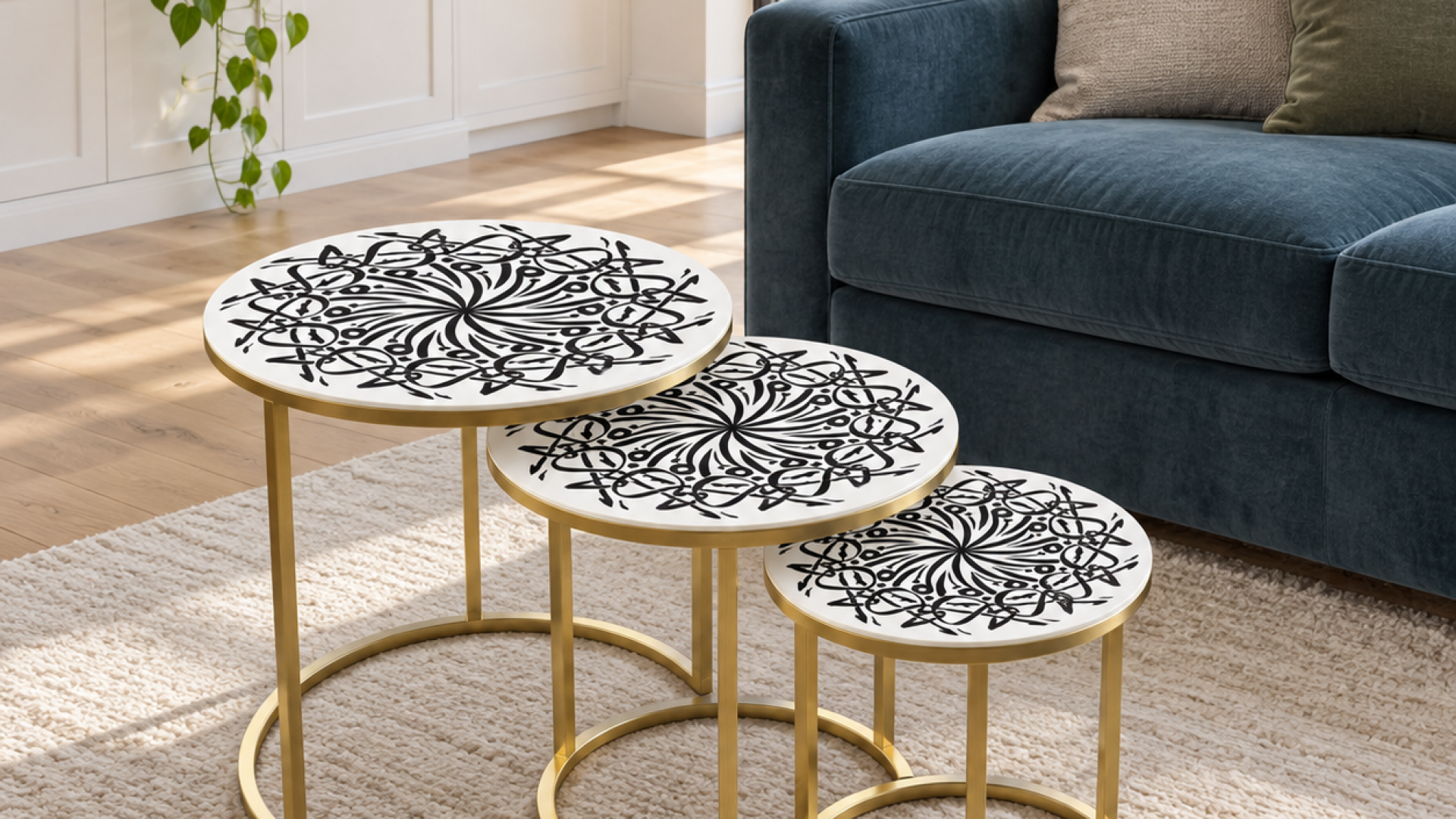
Refreshing your home does not always require a complete furniture makeover. Sometimes, introducing a versatile accent piece can make a noticeable difference to the way a room looks and functions. Wafa Noor white nesting tables for fresh interior styling offer inspiration for creating brighter, more coordinated spaces while keeping everyday living practical and comfortable.
White nesting tables combine a light visual appearance with a flexible design that suits a variety of interior styles. Their ability to sit together or function separately makes them useful in living rooms, bedrooms, reading corners, and other areas where adaptable furniture can improve the layout. With thoughtful placement and a few carefully selected accessories, these tables can help create an interior that feels refreshed without appearing overcrowded.
A fresh interior is not necessarily one filled with new purchases or bold colors. It often comes from better proportions, improved organization, and a balanced combination of furniture, textures, and light.
White nesting tables can contribute to this effect because they are visually adaptable and easy to coordinate with many existing furnishings.
White furniture can complement natural light and pale surroundings, helping a room feel visually open. Against neutral walls or beside a light-colored sofa, white nesting tables create a cohesive appearance without introducing a dominant color.
For example, placing a white table set beside a warm beige sofa can refresh the seating area while preserving a relaxed atmosphere. A textured rug and understated curtains can complete the look without competing for attention.
A room can feel disorganized when its furniture features too many unrelated colors, finishes, and shapes. White nesting tables provide a relatively neutral foundation that can connect different elements within the same space.
Consider coordinating the tables with white shelving, light-colored upholstery, or subtle decorative accessories. The pieces do not need to match exactly; they simply need to share a visual relationship that makes the room feel intentional.
Nesting tables are designed to offer flexible surface space. When the smaller tables fit beneath the larger one, they can occupy less floor area than separate tables arranged permanently around a room.
This feature is particularly useful when you want an open seating area during the day but need extra surfaces when guests arrive. Their flexibility allows the layout to adapt to different activities without requiring additional furniture.
The living room is an ideal place to experiment with white nesting tables because the furniture arrangement often influences the entire room's appearance. A carefully positioned set can complement the main seating area and make the space more convenient to use.
Place the largest nesting table beside or in front of your sofa, depending on its size and intended function. Keep the smaller table partially nested to create a layered arrangement that looks organized rather than crowded.
For a fresh, contemporary appearance, combine the tables with:
This combination creates visual interest through proportion and texture instead of relying on numerous decorative items.
If your existing coffee table feels too bulky, a nesting table arrangement may offer a lighter alternative. Depending on the dimensions and stability of the design, the largest table can serve as the main surface while the smaller tables provide additional space when needed.
Keep the arrangement proportional to your sofa. A table set that is too small may look disconnected, while an oversized set can make the seating area feel restricted.
When entertaining, separate the smaller tables and position them near individual seats. Guests can use the additional surfaces for drinks, snacks, or personal belongings without crowding one central tabletop.
After the gathering, return the tables to their nested arrangement. This simple change helps the room transition from a social setting to a more open everyday layout.
White nesting tables can complement many decorating styles, but the surrounding materials and colors influence the final effect. Instead of following a rigid design formula, consider the atmosphere you want to create.
Modern minimalist interiors favor purposeful furniture, clean lines, and a controlled selection of accessories. White nesting tables fit naturally into this setting when their design remains simple and their surfaces are not overcrowded.
Choose one or two functional accessories, such as a small tray and a favorite book. Leave enough empty space for daily use, allowing the tables' shape and finish to remain visible.
Scandinavian-inspired spaces often combine light colors, practical furniture, natural materials, and comfortable textures. White nesting tables can complement pale wood flooring, neutral upholstery, and woven accessories.
A soft wool rug or linen cushion can introduce texture without disrupting the room's bright appearance. If your interior already contains wooden furniture, choose accessories that relate to those tones.
For a more polished interior, combine white nesting tables with subtle metallic accents, smooth surfaces, or decorative lighting. A small brass-colored accessory or a sculptural lamp can add refinement without making the arrangement feel excessive.
Balance is essential. Too many shiny finishes may distract from the simplicity of the white tables, so choose a limited number of statement details.
White furniture can also work well in interiors inspired by natural materials. Pair the tables with wood, woven baskets, textured cotton, or muted green accents to introduce warmth.
This approach is useful when a room feels too cool or uniform. Natural textures add depth while allowing the white furniture to remain a light and versatile feature.
Accessories can make nesting tables feel personal, but the goal is to enhance the furniture rather than hide it. A thoughtful arrangement should look attractive and remain practical throughout the day.
Begin by deciding what the tables need to accommodate. If you frequently use them for drinks or reading, prioritize functional items instead of filling the surfaces with ornaments.
Suitable options include:
You do not need to use every item on this list. Select only what suits the available surface area and your everyday routine.
White nesting tables provide a neutral background for subtle accents. Soft green, muted blue, warm beige, and charcoal can all create different effects without requiring a complete room redesign.
For example, a small green plant can introduce a natural accent, while a dark book cover can provide contrast. Repeating one or two accent colors elsewhere in the room helps create a connected appearance.
A visually interesting tabletop arrangement can include objects with different heights and shapes. A low tray beside a taller vase, for instance, creates variation while keeping the overall composition simple.
Avoid placing tall or unstable accessories where they may be knocked over. Also, make sure decorations do not prevent the smaller tables from sliding beneath the larger one.
The best nesting tables are not necessarily the most decorative ones. They are the ones that suit the room's dimensions, complement the existing furniture, and provide the surface space you actually need.
Different shapes can influence how the furniture interacts with the rest of the room.
| Table style | Suitable placement | Styling advantage |
|---|---|---|
| Round white nesting tables | Beside sofas with soft or curved lines | Create a gentle, flowing appearance |
| Square white nesting tables | Compact seating arrangements | Offer a structured, balanced look |
| Rectangular white nesting tables | Alongside longer sofas | Complement elongated furniture proportions |
| Matte white nesting tables | Calm, understated interiors | Provide a subtle, restrained finish |
| Glossy white nesting tables | Sleek contemporary rooms | Introduce a polished visual effect |
| White tables with wood details | Warm, natural interiors | Balance brightness with texture |
These are general design guidelines rather than strict rules. The ideal option depends on your furniture, available space, preferred appearance, and maintenance requirements.
Accurate measurements help prevent a new furniture piece from disrupting the room. Measure the intended location and consider both the nested and separated arrangements.
Before choosing a set, check:
If you intend to move the tables regularly, consider whether their weight and construction make them convenient to handle.
White finishes can show dust, stains, and marks depending on their material and texture. Review the manufacturer's care instructions to understand which cleaning products and methods are appropriate.
Use coasters when placing drinks on the tables and clean spills promptly. Avoid harsh chemicals or abrasive materials unless the manufacturer confirms they are suitable for the finish.
Although living rooms are a common choice, nesting tables can be useful in other spaces where an adaptable surface is welcome. Their suitability depends on the available floor area and the way each room is used.
In a bedroom, white nesting tables can provide occasional surface space beside a reading chair or near a seating area. Their light finish can complement neutral bedding, pale walls, and soft textiles.
Keep the arrangement simple by using the largest table for everyday essentials and nesting the smaller one underneath when it is not needed. Check that the tables do not obstruct wardrobe doors or convenient access around the bed.
A home office benefits from furniture that supports work without creating unnecessary visual distractions. White nesting tables can offer a temporary surface for notebooks, reference materials, or a drink when positioned beside a lounge chair or in a suitable corner.
Keep the main work area organized separately. This allows the tables to support occasional activities without becoming a place where unused items accumulate.
A reading nook can feel complete with just a comfortable chair, appropriate lighting, and a small surface for essentials. White nesting tables can serve this purpose while providing extra space when you want to spread out books or magazines.
Add a textured cushion or soft throw to introduce comfort. Keeping the surrounding floor area clear helps the corner feel relaxing and easy to maintain.
In a sufficiently spacious entrance, nesting tables can provide a decorative surface for a small bowl or another everyday item. Their adaptable arrangement may also help when additional space is temporarily required.
However, avoid using them where they would narrow a hallway or obstruct a doorway. In high-traffic areas, movement and accessibility should take priority over decoration.
Even a versatile furniture set can look out of place if the arrangement ignores scale, color balance, or practical needs.
Too many accessories can make white nesting tables appear busy and reduce their usefulness. Start with a minimal arrangement and add another object only if it improves the appearance or serves a purpose.
Empty space is an important part of minimalist styling. It gives individual objects room to stand out and makes the furniture easier to use.
Tables that are significantly too tall, too low, or too small may look disconnected from nearby seating. Compare the dimensions of the tables with your sofa and chairs before finalizing the arrangement.
A balanced setup should feel comfortable to reach and visually related to the surrounding furniture.
Combining several competing materials and colors can make a room feel less coordinated. White nesting tables can help simplify a space, but their effect may be lost if the surrounding accessories introduce too many unrelated styles.
Choose a limited selection of finishes and repeat them subtly throughout the room.
An attractive arrangement is less successful if it blocks a walkway or makes everyday items difficult to reach. Think about how you use the room before deciding where the tables should stand.
A practical layout should accommodate movement, seating, cleaning, and the occasional need for extra surface space.
If you want to refresh your room without changing every piece of furniture, use this process to integrate white nesting tables into your existing decor.
This approach helps you work with your existing furniture rather than making unnecessary purchases.
White nesting tables can brighten a furniture arrangement and complement many existing color schemes. Their flexible design also provides additional surface space when needed, making them useful for everyday living and entertaining.
Their light appearance can help a room feel visually open, especially when paired with natural light and a coordinated color palette. However, the actual effect depends on the tables' dimensions, the surrounding furniture, and the overall layout.
Place the tables near your main seating area and keep their surfaces relatively clear. A small vase, a book, or a practical tray can add interest without making the arrangement feel crowded.
Beige, gray, cream, natural wood, and selected dark accents can complement white furniture. Choose colors that relate to your existing furnishings to create a consistent interior scheme.
Yes, they can be a practical choice because the tables can often be nested together when extra surfaces are unnecessary. Always measure the complete set and check the amount of floor space required when the tables are separated.
Many nesting table sets can serve as coffee tables, provided their height, stability, and dimensions suit the seating arrangement. The largest table can serve as the main surface, while smaller tables can be moved into position when extra space is needed.
Follow the care instructions for the specific material and finish. Regular dusting, prompt spill cleanup, and suitable coasters can help maintain their appearance.
Small ceramic vases, books, decorative bowls, trays, and appropriately sized plants can all work well. Choose accessories according to the table dimensions and leave enough space for practical use.
Yes, white nesting tables can complement minimalist, Scandinavian-inspired, contemporary, and natural interiors. Their final appearance depends on the table design and the materials, colors, and accessories surrounding them.
Limit decorative objects, use a consistent color palette, and leave some of the tabletop uncovered. Keep the smaller tables nested when you do not need the extra surface space.
Discover more stories and style tips to keep your inspiration flowing.
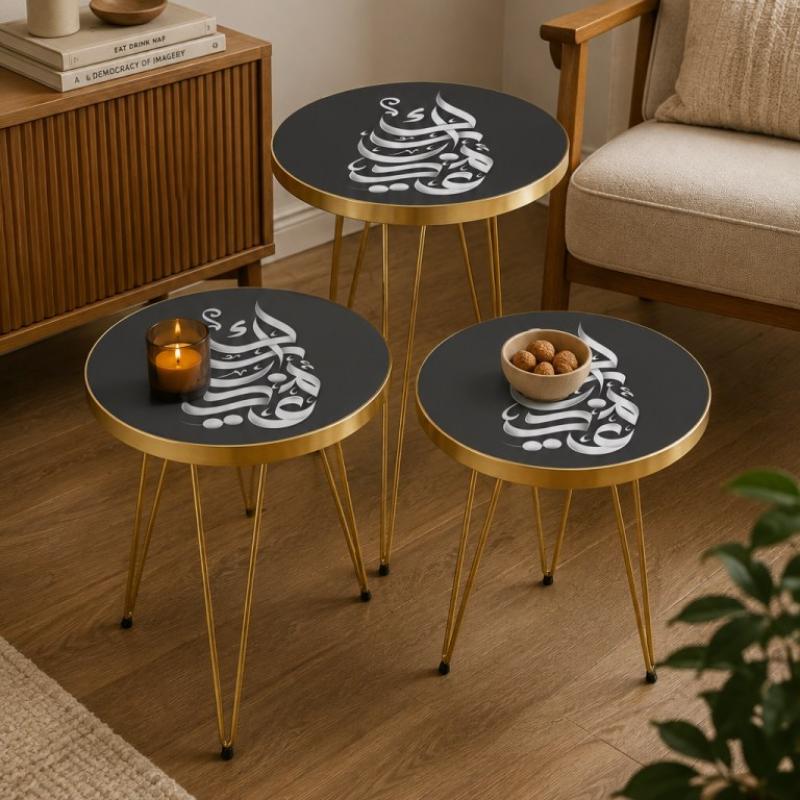
09 octobre
Discover Wafa Noor Islamic designer nesting tables for beautiful living room interiors, with elegant styling ideas, balanced layouts, and decor tips.
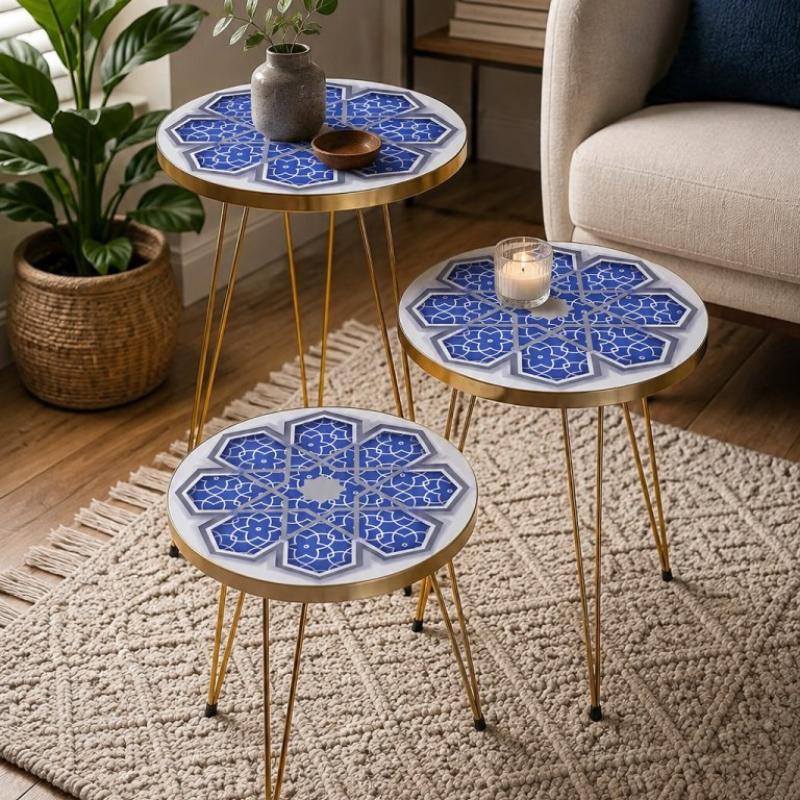
09 octobre
Explore Wafa Noor Islamic designer nesting tables ideas for practical home decor, with space-saving layouts, styling tips, and elegant design inspiration.
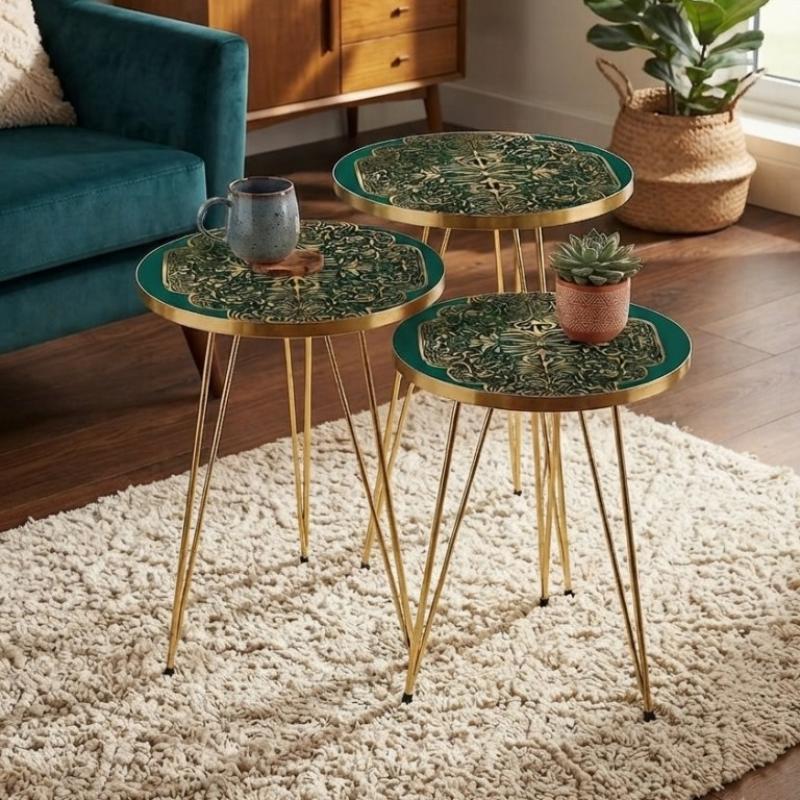
09 octobre
Discover Wafa Noor Islamic designer nesting tables for stylish contemporary homes, with modern styling tips, practical layouts, and elegant decor ideas.
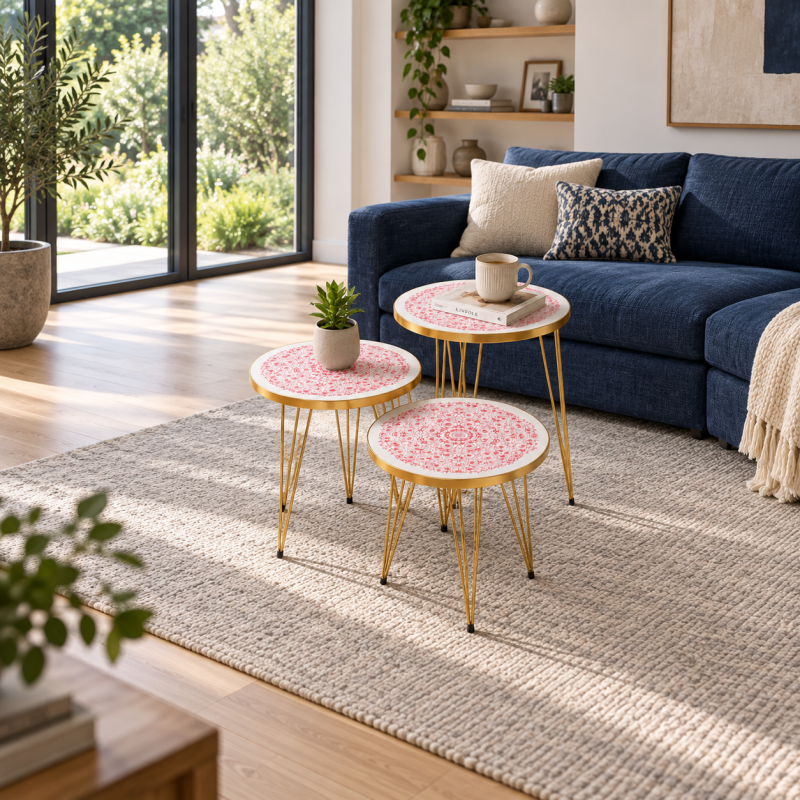
09 octobre
Explore Wafa Noor Islamic designer nesting tables for timeless interior decor, with elegant styling ideas, practical layouts, and harmonious design tips.
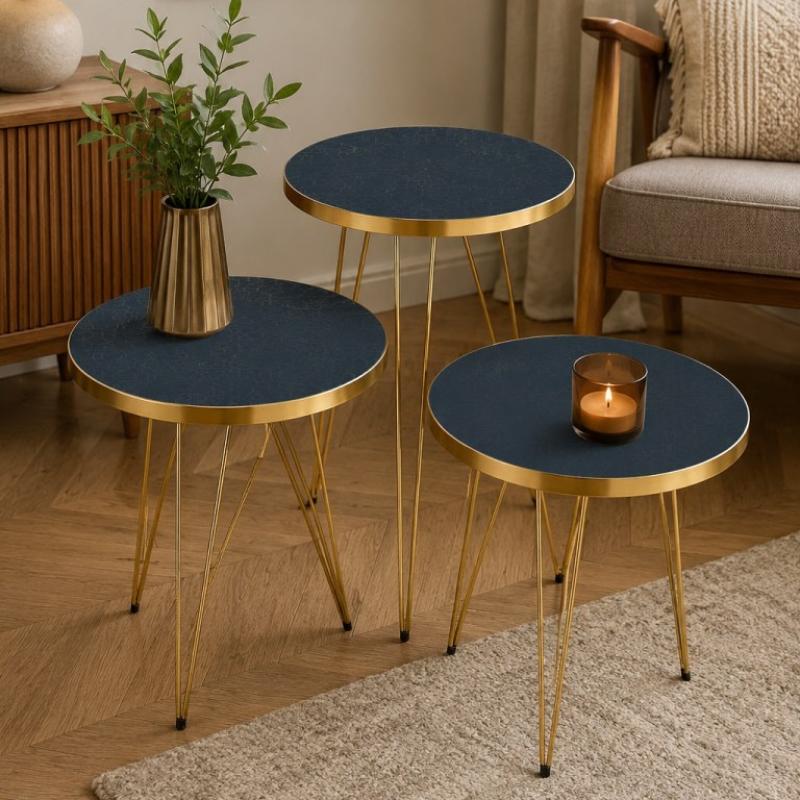
09 octobre
Discover Wafa Noor Islamic designer nesting table ideas for small living spaces, with practical styling tips for elegant, functional interiors.
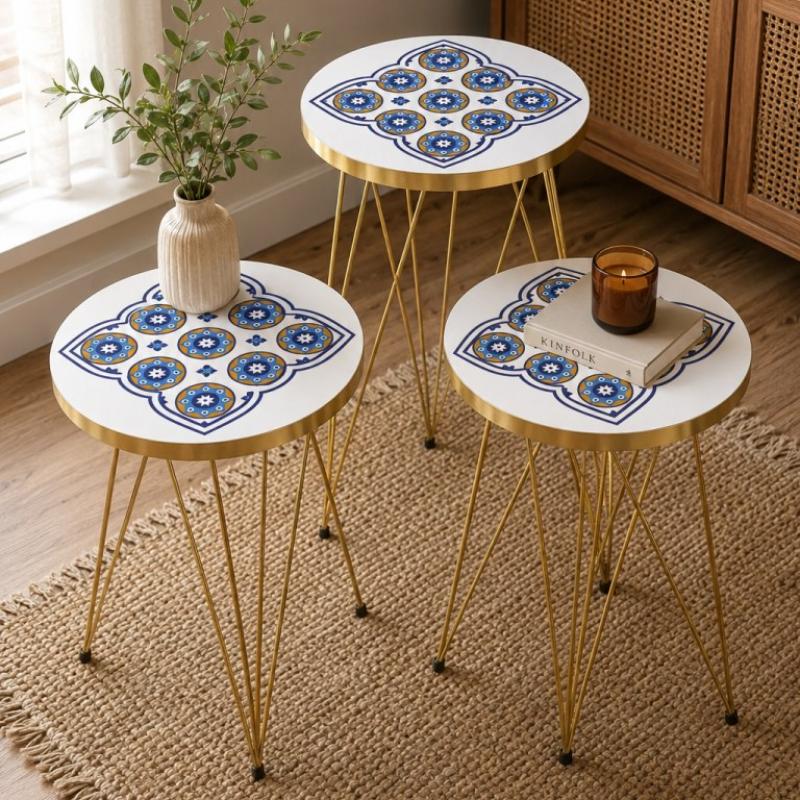
09 octobre
Discover Wafa Noor Islamic Designer Nesting Tables for luxurious home decoration, with elegant styling ideas, refined color palettes, and practical design tips.
Need Help?
Aydınlıkevler Mahallesi, 2006 Sokak, Gıyâsettin Özdemir Apartmanı No: 10/B, Yenişehir / Mersin
[email protected] +90 532 508 69 98Buy $100.00 more to get free shipping
Your cart is currently empty. Let us assist you in finding the right product.
Préférences de cookies