Your cart is empty
Your cart is currently empty. Let us assist you in finding the right product.

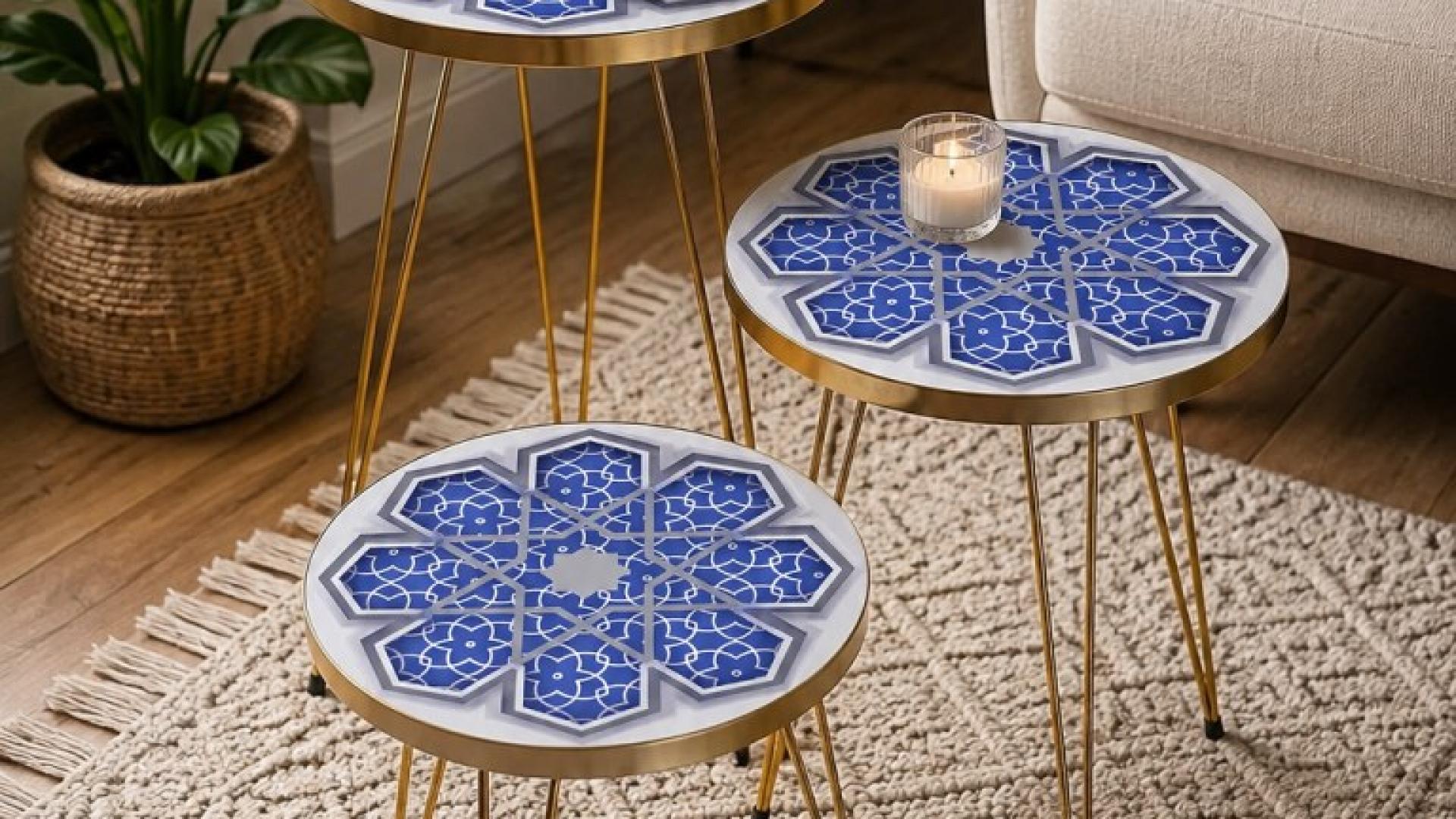
Practical home decor is about creating attractive interiors that support everyday life without sacrificing personal style. Wafa Noor Islamic designer nesting tables ideas for practical home decor offer inspiration for combining flexible furniture arrangements with the balanced beauty of Islamic-inspired design. By considering room dimensions, storage needs, color coordination, and decorative details, homeowners can create spaces that feel organized, welcoming, and visually harmonious.
Nesting tables can be useful in living rooms, apartments, reading corners, and multipurpose family spaces because their arrangement can change according to different needs. They can be grouped together to create a coordinated furniture feature or separated to provide additional surfaces when required. When paired with thoughtful accessories and complementary furnishings, they can support practical routines while contributing to a distinctive interior style.
A well-designed home should look appealing while remaining comfortable and easy to use. Furniture that supports daily activities, clear walking routes, and accessible surfaces can make ordinary routines more convenient.
Practical decor does not mean choosing furniture solely for utility. It means selecting pieces that contribute to the room's appearance while serving a clear purpose.
For example, nesting tables can provide convenient surfaces for books, drinks, decorative objects, or a small lamp, depending on their dimensions and intended use. Their arrangement can also be adjusted when the room needs to accommodate visitors or different activities.
Why can flexible furniture be valuable in a busy household? Because the same room may serve several purposes throughout the day. A living room might function as a relaxation area in the morning, a family gathering space in the afternoon, and an entertaining area in the evening.
Nesting tables can help accommodate these changing routines when their size and design suit the room. Grouping the tables together may reduce the area they occupy compared with keeping them permanently separated, although the actual footprint depends on the product.
Islamic-inspired interiors often feature geometric patterns, balanced proportions, repeating forms, and carefully arranged decorative elements. These principles can work alongside practical furniture choices to create a cohesive home environment.
Wafa Noor Islamic designer nesting tables ideas encourage homeowners to consider how furniture arrangement and decorative details can complement one another. A successful design gives equal attention to visual harmony and everyday usability.
Islamic geometric art is known for its intricate repetition and structured compositions. These patterns can add character to an interior through wall art, rugs, cushions, or decorative accessories.
When nesting tables are part of an Islamic-inspired room, consider repeating one or two related shapes or colors elsewhere. This creates a visual connection without requiring every surface or furnishing to feature an elaborate pattern.
Intricate decorative details often work well when surrounded by simpler elements. A neutral sofa, understated lighting, and uncluttered walls can provide a calm background for Islamic-inspired artwork or patterned textiles.
This balance helps the room feel coordinated rather than crowded. It also allows decorative furniture and meaningful accessories to remain noticeable.
A home can reflect Islamic design influences while meeting contemporary practical requirements. The combination might include simple furniture arrangements, useful surfaces, accessible storage, and selected decorative motifs.
The goal is to create a setting that reflects personal taste while remaining comfortable for everyday use.
Placement affects both the appearance and functionality of nesting tables. The best arrangement depends on the room's dimensions, seating positions, and the activities taking place there.
Placing grouped nesting tables beside a sofa creates a convenient location for everyday essentials. This arrangement can work well in compact living rooms where a large side table would feel disproportionate.
Measure the available area and compare the table heights with the sofa. Leave enough space for people to sit down, stand up, and move around comfortably.
A separate table can provide a useful surface beside a reading chair or lounge seat. It may hold a book, reading glasses, or a drink while keeping the main seating area organized.
If the nesting tables are separated, check that their positions do not obstruct walking routes or interfere with other furniture.
Some living rooms also function as home offices, hobby areas, or family activity spaces. Flexible furniture can help these rooms adapt to different tasks without requiring a permanent arrangement for each activity.
For example, the tables can remain grouped when the room is used for relaxing and be separated when additional surfaces are needed. Always consider stability, available floor space, and the manufacturer's usage guidance.
A quiet reading or prayer corner can benefit from a simple, organized layout. A small table may hold a book or a few carefully selected essentials, while a clear floor area helps preserve comfort and accessibility.
Islamic-inspired artwork, restrained geometric patterns, and soft lighting can complement the setting without adding unnecessary furniture. Keep the arrangement aligned with the intended use of the space.
Decorative styling works best when it supports the way a table is used. A crowded tabletop can look attractive in a photograph but become inconvenient during daily routines.
Start by identifying the objects you regularly need in the room. These may include a remote control, a book, a coaster, or a small reading light.
Place essential items where they are easy to reach, and use a decorative tray to keep smaller objects organized when appropriate. Leave enough open surface space for temporary needs.
Practical styling does not require eliminating decorative objects. Instead, choose accessories that contribute to the overall look without making the table difficult to use.
Consider these options:
The suitability of each accessory depends on the actual table dimensions and the household's routines.
Different textures can make a room feel more inviting without adding excessive decoration. Soft cushions, woven textiles, ceramics, and patterned rugs can complement the table arrangement.
Choose textures that work with the room's existing furniture and color palette. If the surrounding decor already includes prominent patterns, simpler accessories may create a better balance.
Color can connect furniture, textiles, artwork, and accessories. A consistent palette also makes it easier to introduce new decorative elements without creating visual competition.
Ivory, cream, beige, and soft gray can create a versatile background for many Islamic-inspired interiors. These shades work well with different accent colors and allow geometric details to stand out.
A neutral palette can also make it easier to refresh the room through smaller accessories instead of replacing major furnishings.
Blue and ivory can introduce a refined contrast while maintaining a calm atmosphere. Blue may appear in artwork, cushions, or decorative objects, while ivory can be repeated in textiles or other surrounding elements.
Use the colors selectively to establish continuity. Matching every item is unnecessary; related tones and a few repeated accents are usually enough.
Muted brown, sand, taupe, and terracotta can add warmth to a living room. These colors may complement soft textiles and understated decorative objects.
Consider the room's natural light and existing furniture before choosing accent shades. Colors can appear different under warm artificial lighting and daylight, so review samples or accessories in the actual space when possible.
Nesting tables are not limited to one type of interior. Their usefulness depends on whether the arrangement suits the room's function and available dimensions.
In an apartment with limited floor space, grouped nesting tables can create a compact surface beside the sofa. Separating the tables when necessary may help accommodate guests without adding several permanent furniture pieces.
Keep the combined footprint in mind and avoid placing tables where they restrict access to doors, hallways, or other essential areas.
Family living rooms often need to support several activities at once. A flexible table arrangement can provide surfaces for everyday objects while adapting to different seating needs.
Choose accessories that are easy to move and keep fragile decorative items away from areas where they could be knocked over. If children or pets use the room, consider stability and the safety guidance supplied with the furniture.
A living room that doubles as a workspace may benefit from flexible surfaces for notebooks, reading materials, or temporary accessories. Nesting tables should not replace a suitable work desk when a dedicated ergonomic workspace is needed, but they may support occasional activities.
Keep work materials organized and return the tables to their main arrangement when the work session ends.
When guests arrive, separated tables may provide additional surfaces near different seats. This can make conversation areas more convenient without permanently spreading furniture across the room.
Before moving the tables, check that guests can walk between seats easily and that the new arrangement does not create trip hazards.
The most useful furniture choice depends on the space, the household's routines, and the design of the actual product. Reviewing these factors before buying can help prevent impractical arrangements.
| Consideration | Why it matters | What to check |
|---|---|---|
| Dimensions | Determines how comfortably the tables fit | Individual sizes and combined footprint |
| Height | Influences convenience beside seating | Relationship to sofa and chair heights |
| Surface area | Affects everyday usefulness | Space needed for drinks, books, or accessories |
| Design | Determines how well the tables suit the interior | Shapes, patterns, and decorative details |
| Flexibility | Affects alternative arrangements | Space available when tables are separated |
| Stability | Supports safe everyday use | Product specifications and manufacturer guidance |
| Care requirements | Helps maintain the furniture's appearance | Verified material and cleaning instructions |
What should you consider before choosing nesting tables? Start with the activities the furniture needs to support, then assess the available space and visual style.
If you regularly entertain guests, flexibility may be a priority. If the tables will mainly sit beside a sofa, height and easy access may matter more. Check actual product specifications rather than assuming all nesting tables share the same materials, finishes, or dimensions.
Follow these steps to create an arrangement that balances function with Islamic-inspired design.
This process helps ensure that decorative decisions support daily use rather than creating extra work.
Too many accessories can reduce the practical value of nesting tables. Select a few objects that contribute to the room's style and leave enough space for everyday essentials.
A set of tables may still be too large for a compact room when grouped together. Measure the complete footprint and consider how much room is needed when the tables are separated.
It is easy to focus on decorative styling without considering how the tables will be used. Identify the primary purpose first, then choose accessories and placement that support it.
Several competing patterns can make a room feel visually busy. Choose a dominant motif and repeat a limited number of complementary colors throughout the space.
Tables positioned too close to doorways, hallways, or frequently used seating areas can create inconvenience. Leave adequate clearance and check the layout from different viewpoints.
Nesting tables vary in size, construction, material, and care requirements. Verify the specifications of the particular product before making assumptions about durability, weight capacity, or maintenance.
Nesting tables can offer flexible surface space and different arrangement options. Their usefulness depends on the actual dimensions, design, and whether they suit the room's daily activities.
Coordinate the tables with a restrained color palette and a few carefully selected accessories. Islamic geometric artwork, patterned textiles, or a small decorative ornament can reinforce the theme without overcrowding the room.
They can be suitable when their combined footprint fits the available space. Measure the grouped arrangement and consider how the tables will be used when separated.
Common choices include books, a decorative tray, a small vase, a plant, or everyday essentials. Select items according to the available surface area and leave enough room for practical use.
Ivory, cream, beige, and gray can provide a versatile foundation. Blue, green, and earthy tones can introduce contrast when coordinated with the room's existing furnishings.
Yes, depending on their size and design. They may support different activities by changing position, but they should not obstruct walking routes or replace furniture specifically required for another task.
Use a limited number of accessories, maintain clear surfaces, and leave adequate space around furniture. A consistent color palette and thoughtful placement can also improve visual organization.
Review the dimensions, height, stability, intended use, material specifications, and care instructions. Make sure the grouped and separated arrangements will both work within your available space.
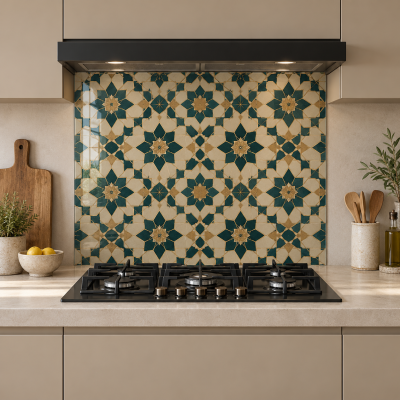
Discover more stories and style tips to keep your inspiration flowing.
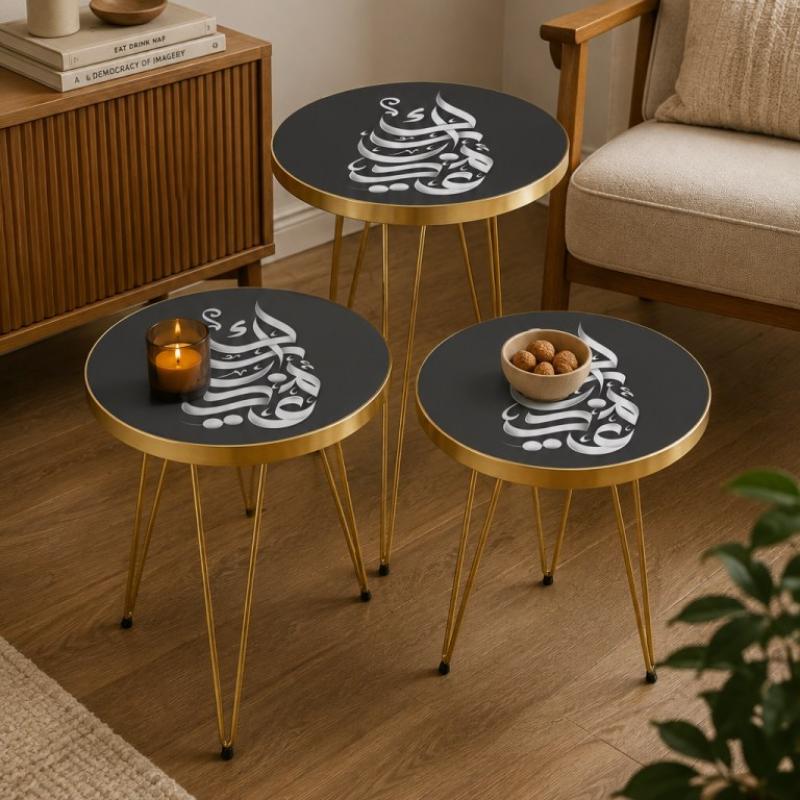
09 octobre
Discover Wafa Noor Islamic designer nesting tables for beautiful living room interiors, with elegant styling ideas, balanced layouts, and decor tips.
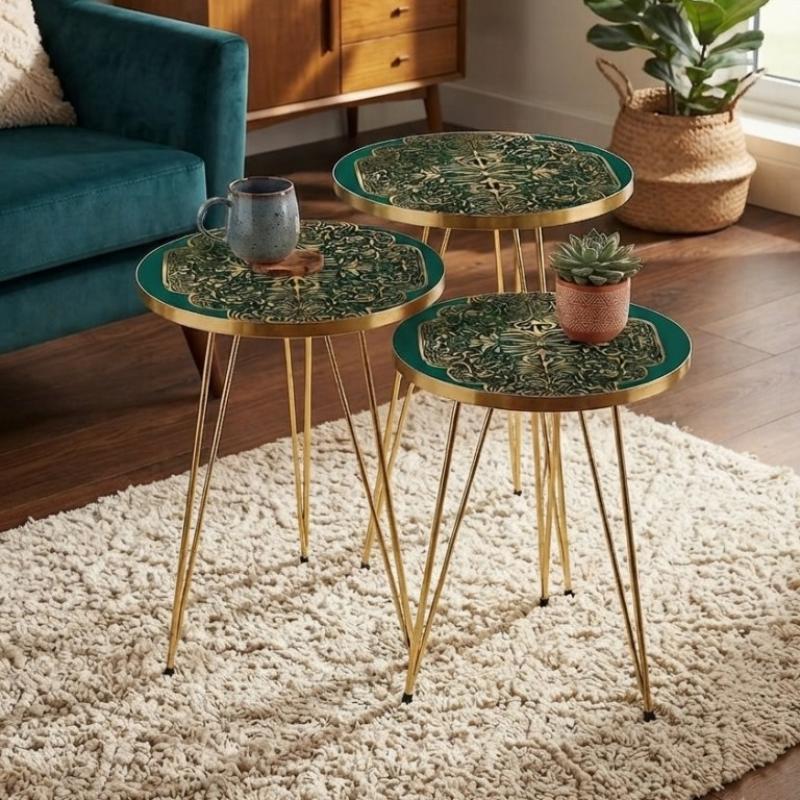
09 octobre
Discover Wafa Noor Islamic designer nesting tables for stylish contemporary homes, with modern styling tips, practical layouts, and elegant decor ideas.
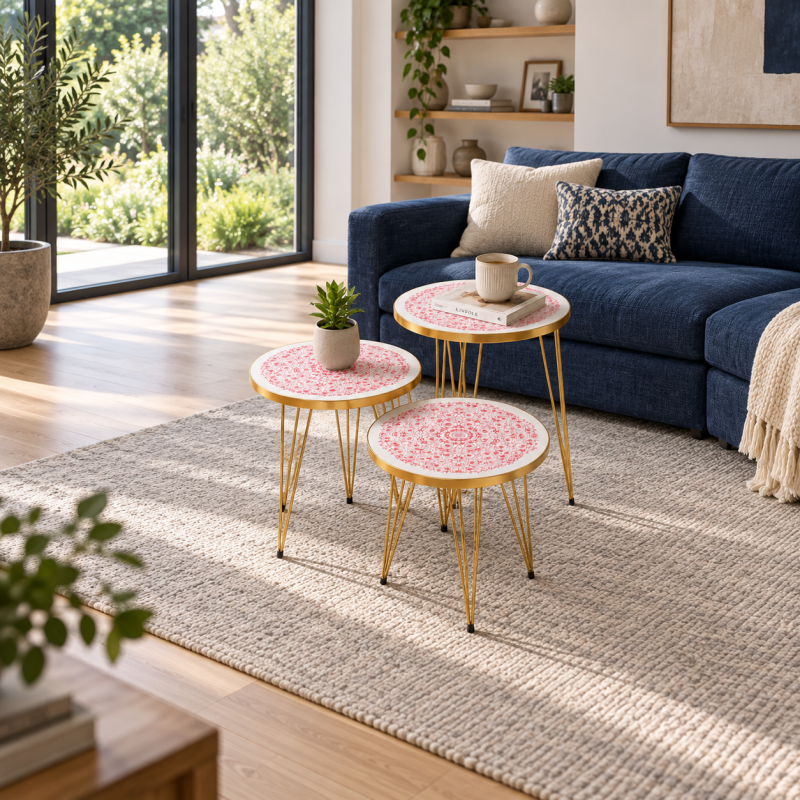
09 octobre
Explore Wafa Noor Islamic designer nesting tables for timeless interior decor, with elegant styling ideas, practical layouts, and harmonious design tips.
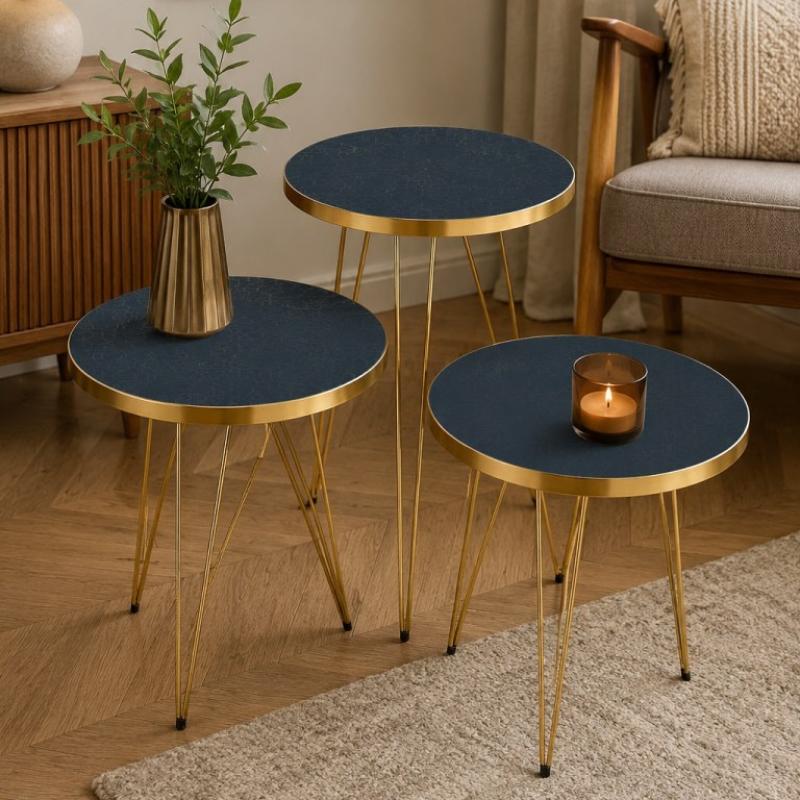
09 octobre
Discover Wafa Noor Islamic designer nesting table ideas for small living spaces, with practical styling tips for elegant, functional interiors.
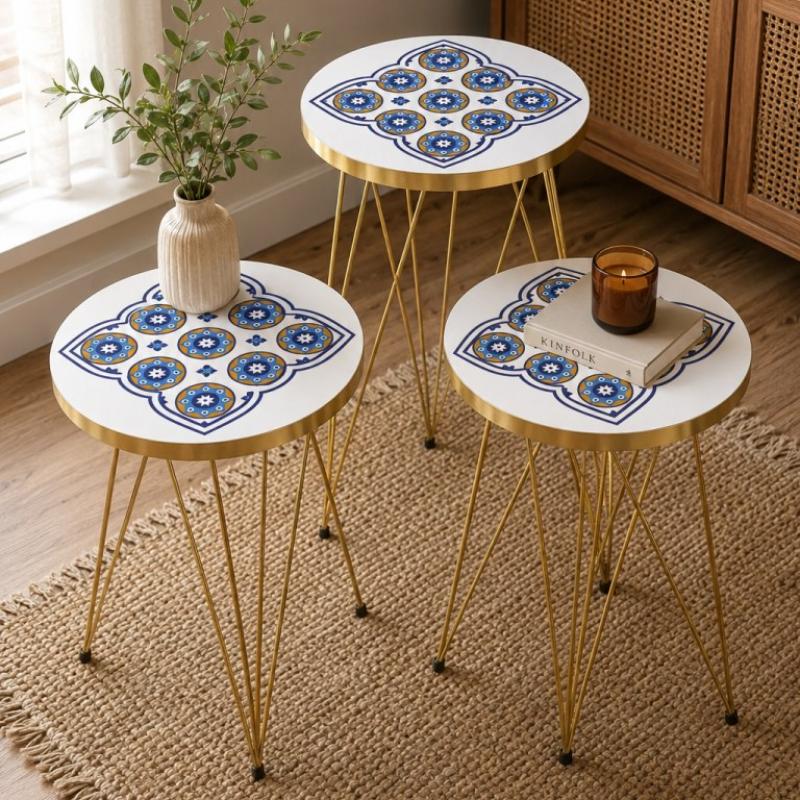
09 octobre
Discover Wafa Noor Islamic Designer Nesting Tables for luxurious home decoration, with elegant styling ideas, refined color palettes, and practical design tips.
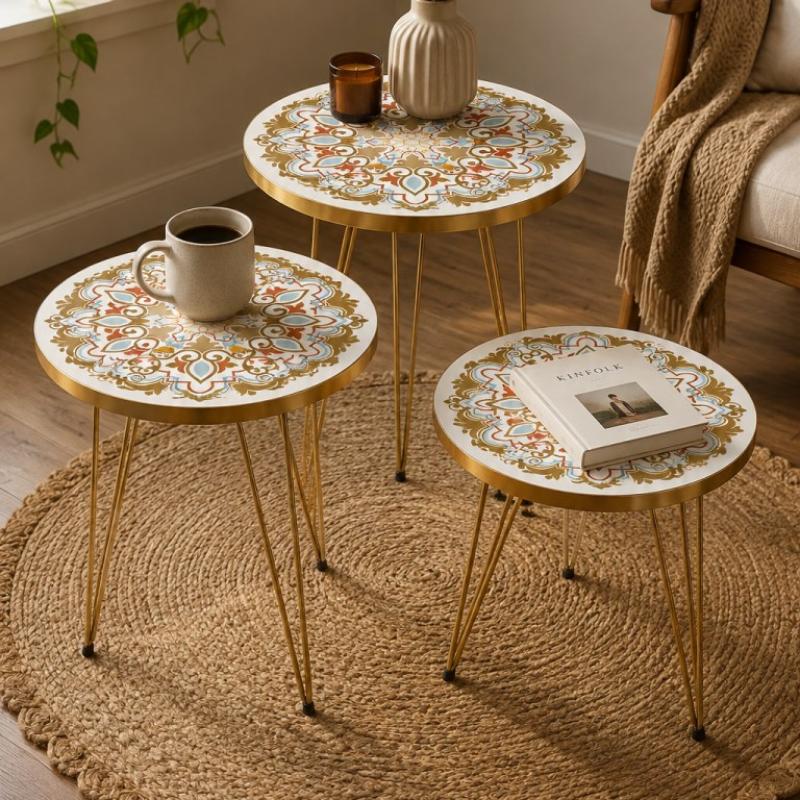
09 octobre
Explore Wafa Noor Islamic Designer Nesting Tables for minimalist living rooms with elegant styling ideas, practical layouts, and Islamic-inspired decor.
Need Help?
Aydınlıkevler Mahallesi, 2006 Sokak, Gıyâsettin Özdemir Apartmanı No: 10/B, Yenişehir / Mersin
[email protected] +90 532 508 69 98Buy $100.00 more to get free shipping
Your cart is currently empty. Let us assist you in finding the right product.
Préférences de cookies