Your cart is empty
Your cart is currently empty. Let us assist you in finding the right product.

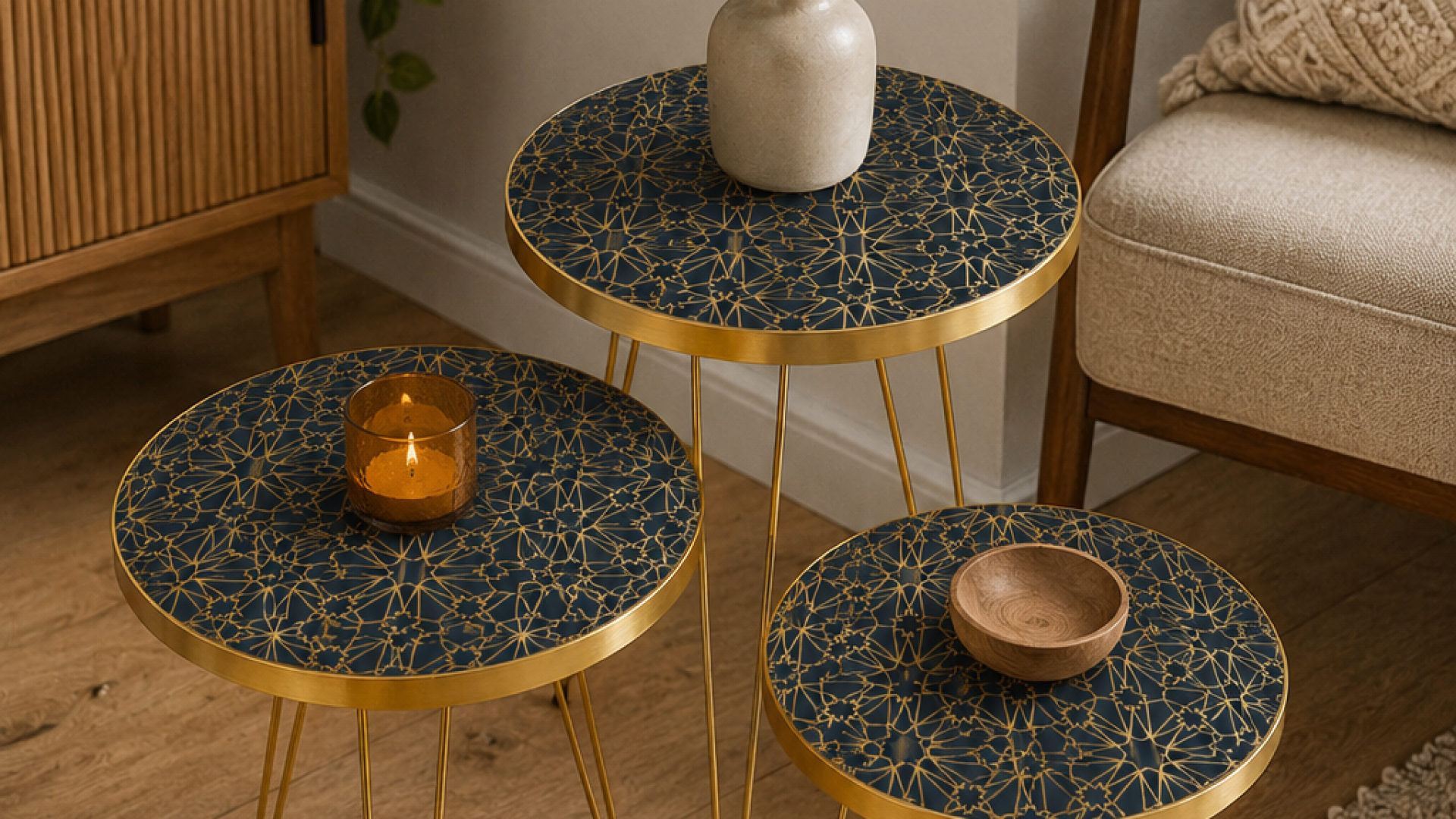
Making the most of limited space starts with choosing furniture that supports everyday activities without overcrowding a room. Wafa Noor round nesting tables for space-saving living offer inspiration for creating a more flexible home, combining coordinated surfaces with a compact arrangement when extra space is needed.
Round nesting tables can be particularly useful in apartments, smaller living rooms, and multipurpose interiors. Their different sizes allow them to be grouped together or separated for specific tasks. With thoughtful placement and suitable proportions, they can help homeowners maintain a practical layout while keeping the room visually balanced.
Small spaces benefit from furniture that can adapt to changing needs. Instead of dedicating permanent floor space to several separate tables, nesting designs allow smaller pieces to be tucked together when they are not in use.
A compact furniture arrangement can leave more room for walking, sitting, and everyday activities. Nesting tables provide several surfaces while allowing the smaller pieces to sit close to the largest table.
This arrangement is especially useful when a room needs to feel open during the day. When guests arrive or extra surfaces become necessary, the smaller tables can be moved into convenient positions.
Furniture with bulky shapes can make a compact room feel crowded. Round nesting tables introduce curved outlines that can soften the appearance of a space filled with rectangular sofas, storage units, and shelves.
Their visual effect also depends on the material and finish. A streamlined design with appropriately sized tabletops may feel less imposing than an oversized table that dominates the seating area.
A small living room may serve as a place to relax, read, work informally, and entertain guests. Each activity can require a different furniture arrangement.
Nesting tables make it easier to change the layout without purchasing additional furniture. One table can remain near the sofa while another moves beside an armchair when needed.
A suitable set should fit the room, provide useful surfaces, and remain easy to arrange. Before choosing a design, consider the dimensions of the room and how the tables will be used.
Measure the area where the tables will normally sit. Consider both the nested footprint and the additional space required when the smaller tables are separated.
Do not measure only the empty corner or central floor area. Include the sofa, chairs, doorway, and regular walking routes when assessing the available space.
The height of the tables should work with nearby seating, while their diameters should provide enough usable surface without obstructing movement.
A large tabletop may be practical in a spacious living room but overwhelming in a compact apartment. Smaller tables may suit tighter layouts, provided they can accommodate the items you regularly use.
If you expect to rearrange the tables frequently, consider their weight, construction, and ease of handling. Check product details and manufacturer guidance rather than assuming that every nesting table is designed for frequent movement.
Stability is equally important. Choose a set that suits its intended use and place it on an appropriate surface.
Round nesting tables can serve several purposes depending on their placement. The key is to assign each table a useful role rather than separating the pieces without a clear reason.
Place the largest table in front of the main sofa and tuck the smaller table underneath or alongside it. This creates a central surface while preserving space around the seating area.
When additional room is needed, return the smaller piece to its nested position. Keeping the arrangement compact can help maintain a clear route between the sofa and the rest of the room.
In a studio apartment, one room may serve as a living room, workspace, and dining area. Furniture that can be rearranged is useful when the room's purpose changes throughout the day.
Round nesting tables can move between different seating positions as needed. Keep the tables away from narrow routes connecting the entrance, kitchen, and sleeping area.
A small table beside an accent chair can create a practical reading spot. It may hold a book, a drink, or another suitable everyday item.
If the room is particularly compact, choose a table that fits beside the chair without making it difficult to sit down or stand up. The remaining nesting table can stay near the main sofa until it is needed.
When visitors arrive, the smaller tables can be separated to provide additional surfaces near different seats. This can be more convenient than relying on one central table for the entire room.
After the gathering, group the tables together again. Their flexibility allows the same furniture to support both everyday living and occasional entertaining.
The visual weight of furniture affects how spacious a room appears. Material choice can help the tables complement the rest of the interior without drawing too much attention.
Glass tabletops allow surrounding furniture and flooring to remain visible through the surface. This can help maintain a lighter visual appearance in a compact room.
However, glass needs appropriate cleaning and careful handling. Check the product's construction and care instructions before choosing it for a busy household.
Light wood finishes can create a welcoming atmosphere without introducing a very dark visual block. They often complement neutral upholstery, pale walls, and natural textures.
Coordinate the wood tone with the existing furniture rather than trying to match every piece exactly. Related undertones can make the room feel cohesive without requiring a perfectly uniform finish.
Some metal-frame designs have a visually light appearance because their structure uses narrow lines rather than solid sides. This can suit contemporary interiors where maintaining a clear visual flow is important.
Check the construction and stability of the table before purchasing. A slim appearance should still be supported by a design suitable for everyday use.
White, beige, grey, and other restrained colors can work well in compact interiors because they are easy to coordinate with different decor styles. Darker finishes can also be effective when used deliberately as an accent.
Consider the existing palette of the room, including flooring, walls, cushions, and the sofa. A consistent color scheme can help the tables feel integrated rather than visually separate.
Space-saving furniture works best when it supports an organized routine. Nesting tables provide useful surfaces, but they can lose their benefit if every tabletop becomes a storage area.
A tray can group small items such as a remote control or coasters in one place. It makes the surface easier to organize and can be moved when the table is needed for another activity.
Choose a tray that fits comfortably within the tabletop. An oversized accessory can reduce the amount of usable space.
A single book, a small decorative object, or a modest centerpiece may be enough. Leaving some of the surface clear keeps the arrangement functional and helps the table's shape remain visible.
Why is this important? Clear surfaces make it easier to use the furniture for different activities without moving several decorative items each time.
When nesting tables are separated, assign them useful roles. One might sit beside the sofa while another provides a surface near an accent chair.
A clear purpose helps prevent unnecessary movement and makes it easier to return the tables to their compact arrangement when they are no longer needed.
Both furniture options can work in small homes, but they support different needs.
The answer depends on the dimensions of the furniture and the way it is used. Nesting tables can reduce their combined footprint when grouped together and provide flexibility when separated.
A compact coffee table may be a better fit if you need one continuous surface and rarely rearrange your furniture. Compare the actual dimensions and daily requirements before deciding.
Even versatile furniture can create problems when its size or placement is not carefully considered.
A set may look compact in a product image but occupy more space than expected. Check the dimensions of every table and consider how far the smaller pieces extend when separated.
Placing a table too close to a doorway or narrow passage can make a room uncomfortable to use. Keep regular walking routes clear and test the arrangement before deciding on a permanent position.
One benefit of nesting tables is that their placement can change. Leaving all the pieces separated all the time may use more floor space than necessary.
Keep the set grouped when additional surfaces are not needed and separate the pieces when there is a clear practical reason.
Too many accessories can make a small room feel cluttered and reduce the tables' usefulness. Choose a limited number of decorative items and leave space for everyday essentials.
A design may suit the room's style but still be unsuitable for daily use. Review the stability, dimensions, finish, and maintenance requirements before making a decision.
Use this process to make the tables work with the available room rather than against it.
They can be useful because the smaller tables can be grouped together when additional surfaces are unnecessary. Choose a set whose dimensions fit the room and leave enough space for movement.
Their nested arrangement allows the tables to share a smaller footprint when grouped together. The individual pieces can then be separated when additional surfaces are needed.
Yes. Their flexible placement can suit a room that serves several purposes throughout the day. Keep the tables arranged so they do not obstruct access between the main activity zones.
Measure the tables, check their height and stability, and compare their dimensions with the available space. Consider how often you will separate them and what items they will hold.
Glass surfaces can help maintain a visually open appearance because surrounding furniture remains visible. They still require appropriate care and should be chosen according to the household's needs.
No. Keeping them nested is useful when floor space is limited, but separating them can provide convenient surfaces for guests or different seating areas. Choose the arrangement that best suits the activity.
Use a limited number of accessories, keep walking routes clear, and return smaller tables to their nested position when they are not needed. Avoid filling every surface with decorative objects.
They can serve as an alternative if you prefer flexible surfaces and movable furniture. A traditional coffee table may be more appropriate if you need one large continuous surface or built-in storage.
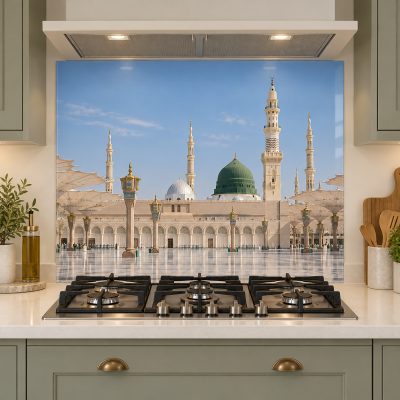
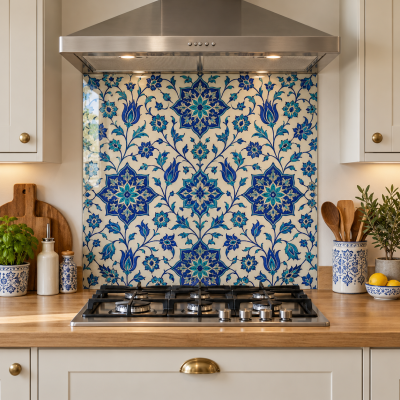
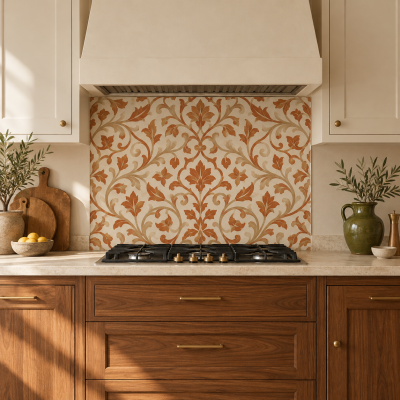
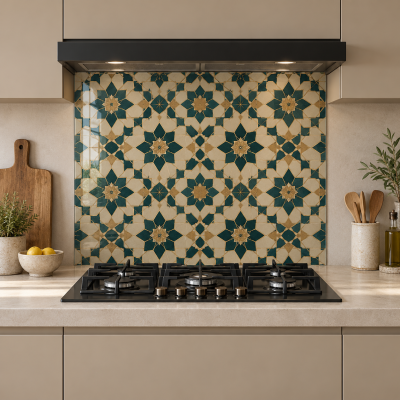
Discover more stories and style tips to keep your inspiration flowing.
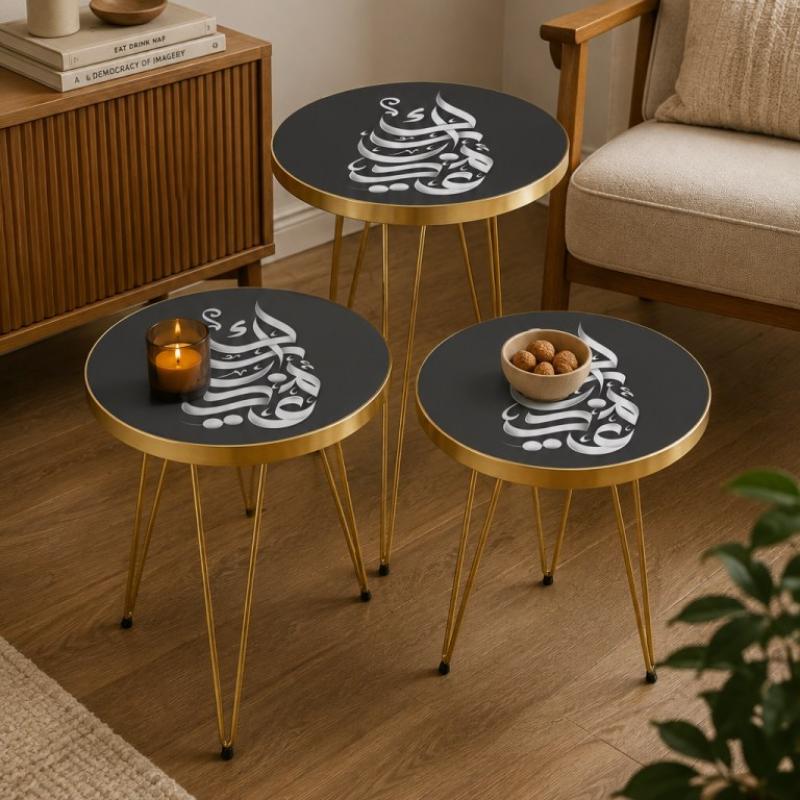
09 octobre
Discover Wafa Noor Islamic designer nesting tables for beautiful living room interiors, with elegant styling ideas, balanced layouts, and decor tips.
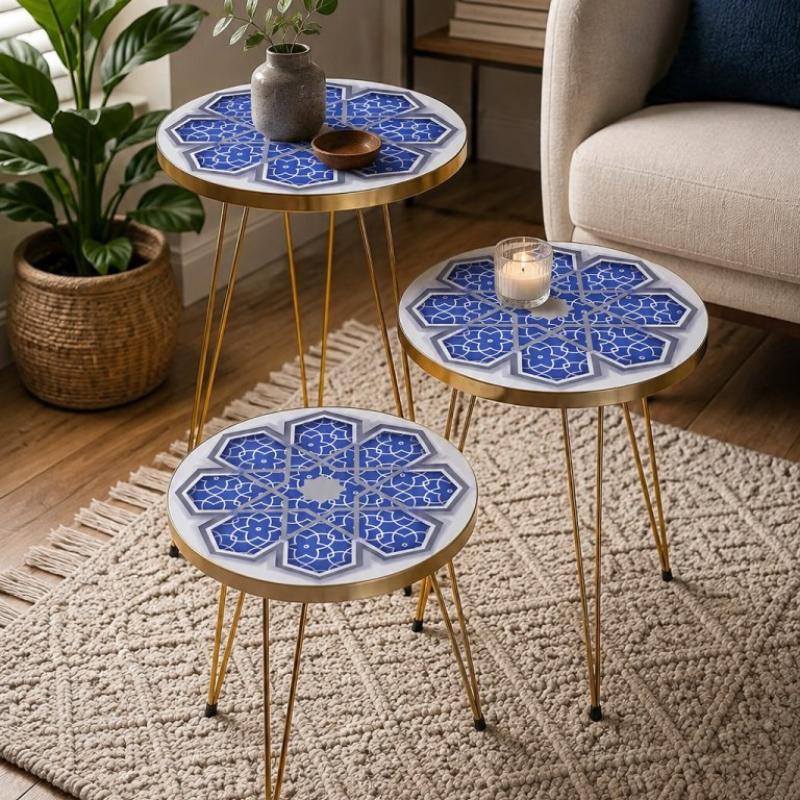
09 octobre
Explore Wafa Noor Islamic designer nesting tables ideas for practical home decor, with space-saving layouts, styling tips, and elegant design inspiration.
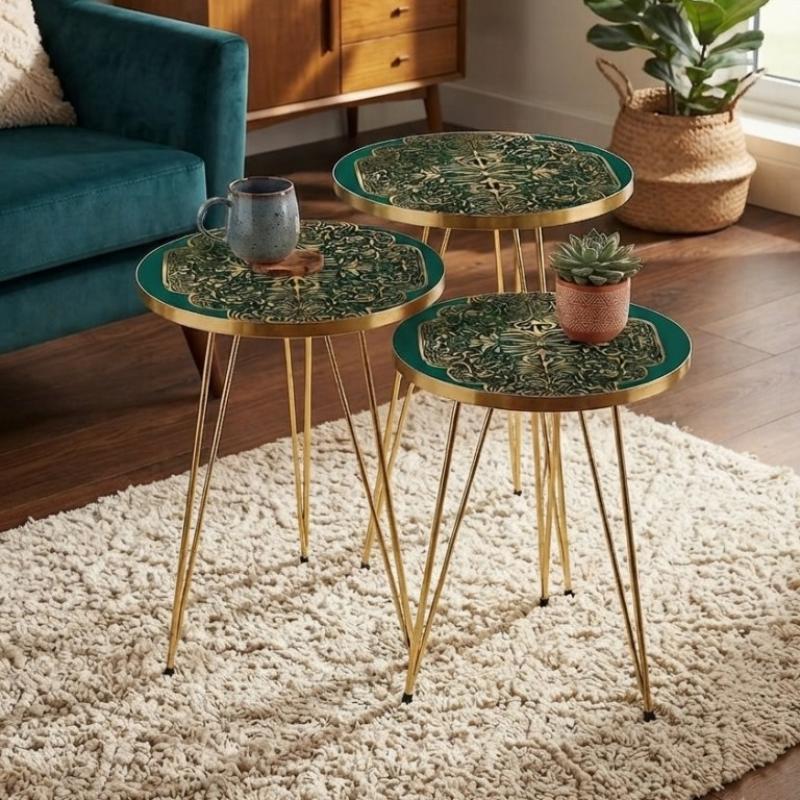
09 octobre
Discover Wafa Noor Islamic designer nesting tables for stylish contemporary homes, with modern styling tips, practical layouts, and elegant decor ideas.
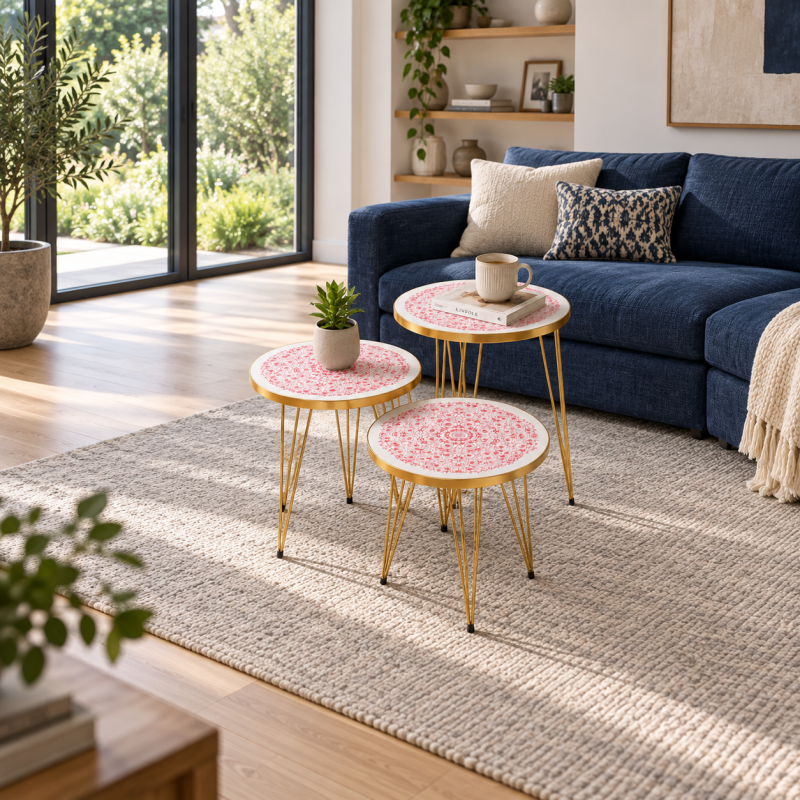
09 octobre
Explore Wafa Noor Islamic designer nesting tables for timeless interior decor, with elegant styling ideas, practical layouts, and harmonious design tips.
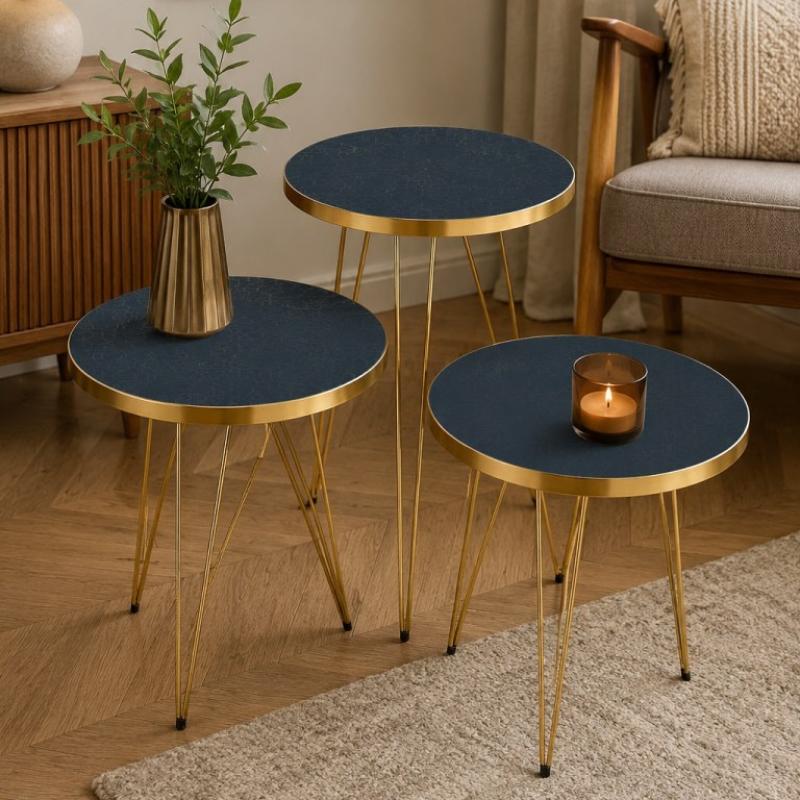
09 octobre
Discover Wafa Noor Islamic designer nesting table ideas for small living spaces, with practical styling tips for elegant, functional interiors.
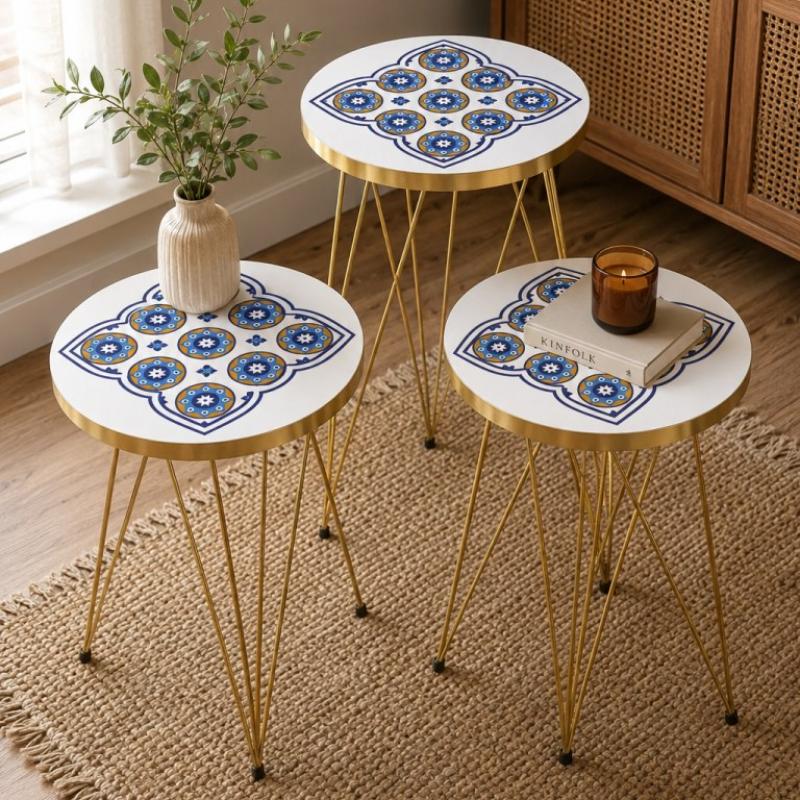
09 octobre
Discover Wafa Noor Islamic Designer Nesting Tables for luxurious home decoration, with elegant styling ideas, refined color palettes, and practical design tips.
Need Help?
Aydınlıkevler Mahallesi, 2006 Sokak, Gıyâsettin Özdemir Apartmanı No: 10/B, Yenişehir / Mersin
[email protected] +90 532 508 69 98Buy $100.00 more to get free shipping
Your cart is currently empty. Let us assist you in finding the right product.
Préférences de cookies