Your cart is empty
Your cart is currently empty. Let us assist you in finding the right product.

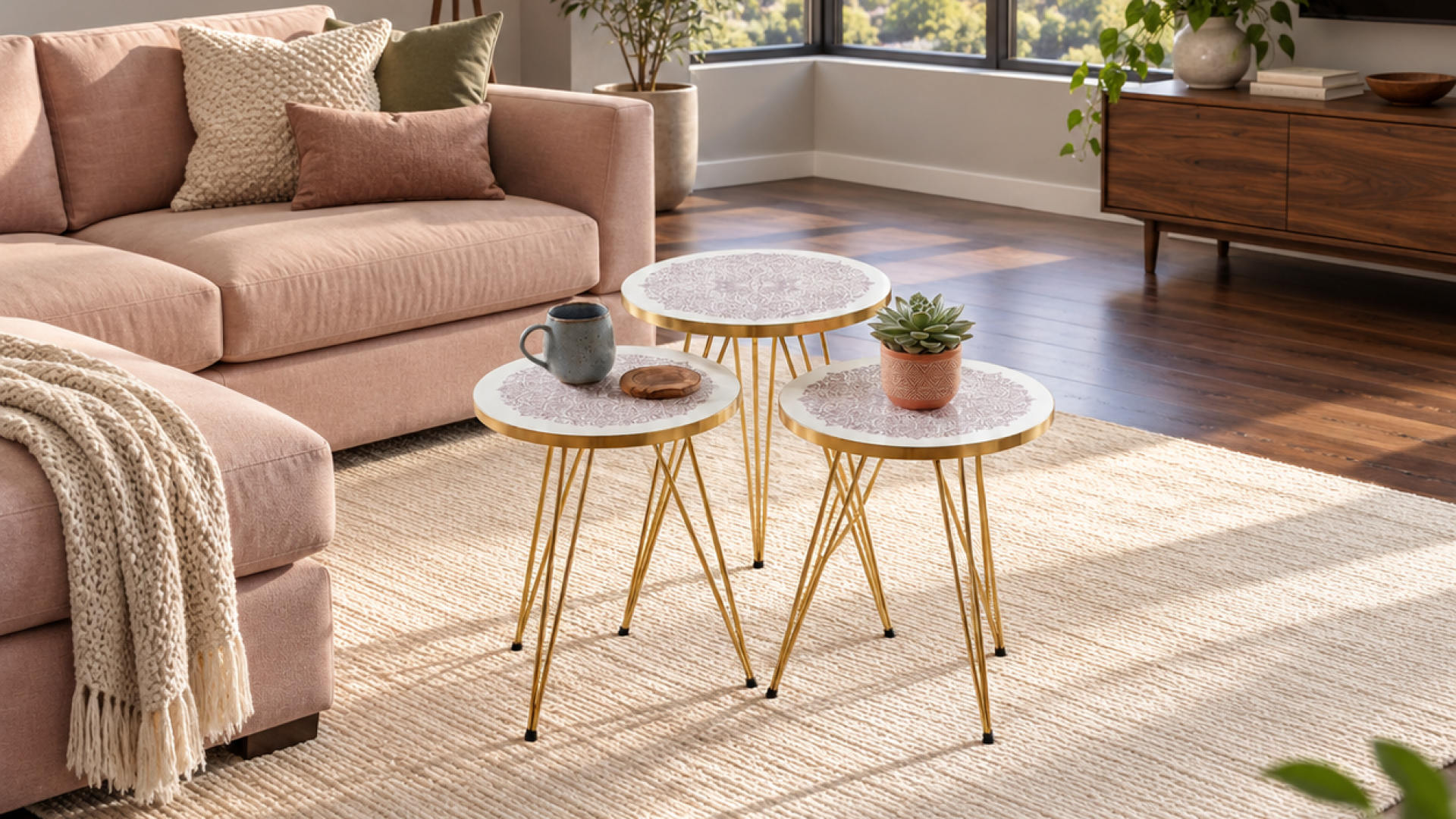
A balanced interior brings together furniture, colors, textures, and open space in a way that feels comfortable and visually cohesive. Wafa Noor round nesting tables for a balanced interior offer inspiration for combining practical surfaces with graceful shapes and adaptable furniture placement. Their coordinated sizes can help connect different elements of a room while providing flexibility for everyday living.
Creating balance does not mean making every side of a room identical. Instead, it involves distributing visual weight thoughtfully, choosing furniture that suits the available space, and maintaining comfortable movement between pieces. Round nesting tables can contribute to this approach by softening angular furniture, introducing a consistent shape, and adapting to different seating arrangements.
Interior balance depends on how furniture, decorative objects, colors, and empty spaces relate to one another. A room can feel unbalanced when one area contains too many large objects while another appears unfinished.
Visual weight describes how prominent an object appears within a room. A large dark cabinet may attract more attention than a smaller light-colored table, even if both occupy similar floor space.
Round nesting tables can help distribute this visual weight. Their shape and scale can complement a sofa or armchair without creating another dominant focal point.
Symmetrical arrangements repeat similar objects on either side of a central feature. Asymmetrical arrangements use different objects or positions while maintaining a sense of equilibrium.
Nesting tables can work with both approaches. Keeping the set grouped near the center of a sofa may create a structured look, while separating the smaller tables beside different seats can produce a more relaxed arrangement.
A balanced room needs enough space between furniture pieces. Filling every available area can make even attractive furniture feel crowded.
Nesting tables offer flexibility because the smaller pieces can be grouped together when they are not needed. This helps preserve open areas and allows the room to adapt to different activities.
Round nesting tables combine curved shapes with coordinated proportions. These characteristics can help soften a room's geometry and make furniture placement more adaptable.
Many living rooms contain rectangular sofas, square cabinets, straight shelves, and geometric rugs. Round tables introduce curved lines that contrast with these forms.
This contrast can make the arrangement feel less rigid without requiring additional decorative features. The circular silhouette provides visual variety while maintaining a straightforward design.
Nesting tables are designed to work together, which helps establish a relationship between their different sizes. When grouped, they can form a coordinated focal point; when separated, they can provide surfaces in different locations.
For example, the largest table might remain in front of the sofa while a smaller piece sits beside an accent chair. The shared design helps the separate positions feel related.
A room should look inviting while remaining practical. Furniture that is attractive but difficult to use can disrupt the overall experience of the space.
Round nesting tables can offer a useful compromise when their dimensions suit the room. They provide additional surfaces when needed without requiring every table to remain permanently separated.
Table dimensions affect both visual balance and everyday comfort. Before choosing a set, consider how it will relate to your existing furniture and the available floor space.
Measure the space between the sofa, chairs, and other nearby furniture. Include the area required when the smaller nesting tables are moved away from the main table.
Avoid selecting a set based only on its appearance in a product photograph. The actual dimensions should suit the room's layout and leave enough space for people to move comfortably.
The height of a table affects how easily people can reach its surface. Compare the measurements with the sofa or armchair where the table will normally be used.
If the tables will serve several seating positions, consider whether their heights are practical in each location. A visually balanced arrangement should also support comfortable use.
A table set should feel proportionate to the surrounding furniture. Very small tables may look disconnected from a large sectional sofa, while oversized tables can dominate a compact seating area.
Consider the visual weight of the entire set, not only the largest piece. A coordinated arrangement should complement the room rather than compete with its main furniture.
Color relationships can make a room feel connected or fragmented. The finish of the nesting tables should relate to the wider palette without necessarily matching every other item.
White, beige, grey, and other neutral shades can work with many interior styles. They provide a flexible background for different textiles, artwork, and decorative accessories.
Neutral nesting tables can blend into a quiet color scheme or contrast with a darker sofa. The result depends on the surrounding finishes and the amount of contrast you want.
Dark tables can add definition to a room with pale walls and light upholstery. Lighter tables can create a softer effect beside darker furniture.
Think about where visual weight is already concentrated. If the room contains several dark, substantial pieces, a lighter table finish may help balance the composition.
A decorative object on the table can repeat a color found in cushions, artwork, or a rug. This creates a subtle connection between separate parts of the room.
Avoid introducing too many competing accent colors. A limited palette can make the interior feel cohesive while allowing selected details to stand out.
The material of a nesting table influences its visual weight, texture, and maintenance requirements. Choose a finish that suits both the design of the room and the way you use it.
Wooden finishes can balance smooth surfaces and contemporary furniture. They often complement fabric upholstery, textured rugs, and natural accessories.
Look for a relationship between the table's wood tone and nearby furniture. The shades do not have to be identical, but their undertones should work together.
Metal frames can add a defined outline and complement contemporary or industrial-inspired interiors. A similar finish on a lamp base or shelving detail can create visual continuity.
To preserve balance, avoid combining too many unrelated metallic tones. A few repeated finishes usually provide enough connection.
Glass tabletops allow the surrounding floor and furniture to remain visible, which can help a room feel less visually dense. This may be useful in compact interiors or spaces with several substantial furniture pieces.
Glass requires suitable cleaning and careful handling. Review the manufacturer's maintenance instructions and check that the table's construction suits your intended use.
A balanced interior depends on placement as much as furniture selection. Consider the purpose of each room and arrange the tables accordingly.
Place the largest table in front of the main sofa and arrange the smaller pieces nearby. This creates a central point that connects the seating area without requiring several separate tables.
Keep the arrangement proportionate to the sofa and rug. Make sure the tables are easy to reach and do not obstruct movement between seats.
An open-plan room may contain living, dining, and kitchen zones. Nesting tables can help define the seating area while maintaining a visual connection with the rest of the space.
Choose finishes that relate to selected elements in adjacent zones, such as the dining furniture or shelving. This creates continuity without making every area look identical.
A smaller nesting table beside an accent chair can create a convenient place for a book, drink, or suitable decorative item. The second table can remain with the main seating arrangement.
Use a size that allows comfortable access to the chair. Leave enough room to sit down and stand up without moving several pieces of furniture.
Smaller homes benefit from furniture that can be rearranged when needs change. Keep the tables nested during normal daily use and separate them when guests arrive or extra surfaces become useful.
This approach helps preserve a clear layout while allowing the room to serve multiple purposes.
Both options can contribute to a balanced interior, but they suit different furniture arrangements.
Round nesting tables may be more suitable when you want a coordinated look with flexible placement. Separate side tables can work better when the room has several distinct seating areas that each need a permanent surface.
Consider the room's proportions, the number of seats, and the amount of available floor space. Balance comes from choosing furniture that fits the layout, not from selecting one table style for every room.
Small placement errors can affect the balance of the entire room. Pay attention to scale, color, and circulation before finalizing the arrangement.
Oversized tables can compete with the sofa and leave insufficient space for movement. Measure the area and compare the dimensions of the full set with the surrounding furniture.
A dark, solid-looking table may appear more prominent than a lighter design of similar size. Consider the color and material alongside the table's measurements.
Too many decorative objects can make the table look cluttered and reduce its usefulness. Choose a few items that relate to the room's palette and leave open space for everyday use.
A visually appealing arrangement can still feel uncomfortable if people cannot move easily around it. Check the space between the tables, sofa, chairs, and walking routes.
A room does not need identical colors and materials throughout. Excessive matching can make the interior feel repetitive rather than balanced.
Use related tones and textures while allowing a few elements to provide contrast. This creates a more natural relationship between the furniture and decorative details.
Follow these steps to integrate round nesting tables into your interior.
Their curved shapes can soften rooms with many straight-edged furnishings. Their coordinated sizes also help create a connected arrangement while allowing flexible placement.
They do not need to match exactly. Choose finishes and proportions that complement the sofa, rug, and other furniture so the arrangement feels cohesive.
Yes, if their dimensions fit the available space. The smaller pieces can often be grouped together when extra surfaces are not required.
Neutral shades can create a subtle, versatile appearance, while darker finishes may provide contrast. The most suitable color depends on the room's existing palette and visual balance.
A few carefully selected items are often sufficient. Leave enough open space for practical use and avoid accessories that overwhelm the tabletop.
Nesting tables offer coordinated styling and flexible placement. Separate side tables may be more suitable when each seat requires a dedicated, permanent surface.
Yes. They can help define a seating area without creating a heavy visual barrier. Coordinating their finishes with nearby furnishings can connect the different zones.
Proportion is a good starting point, but placement and movement also matter. The tables should fit the room, remain easy to use, and contribute to the overall composition.
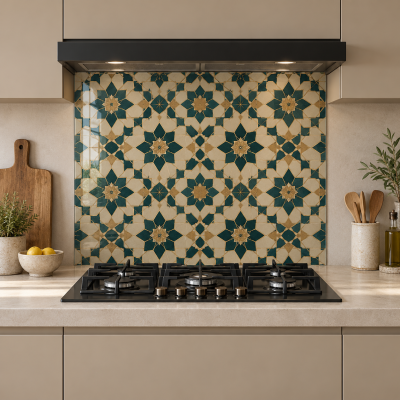
Discover more stories and style tips to keep your inspiration flowing.
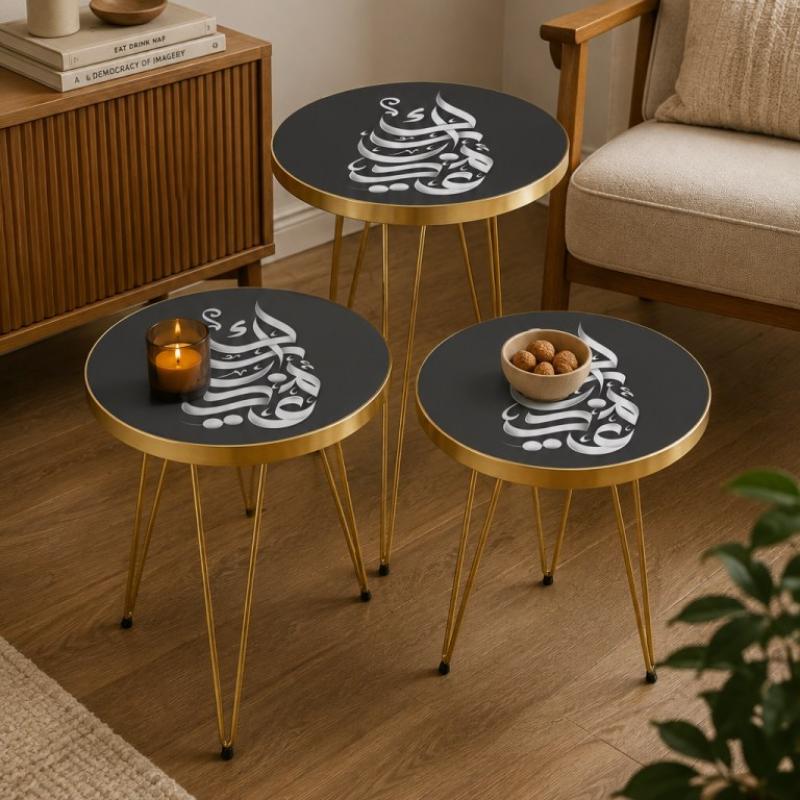
09 octobre
Discover Wafa Noor Islamic designer nesting tables for beautiful living room interiors, with elegant styling ideas, balanced layouts, and decor tips.
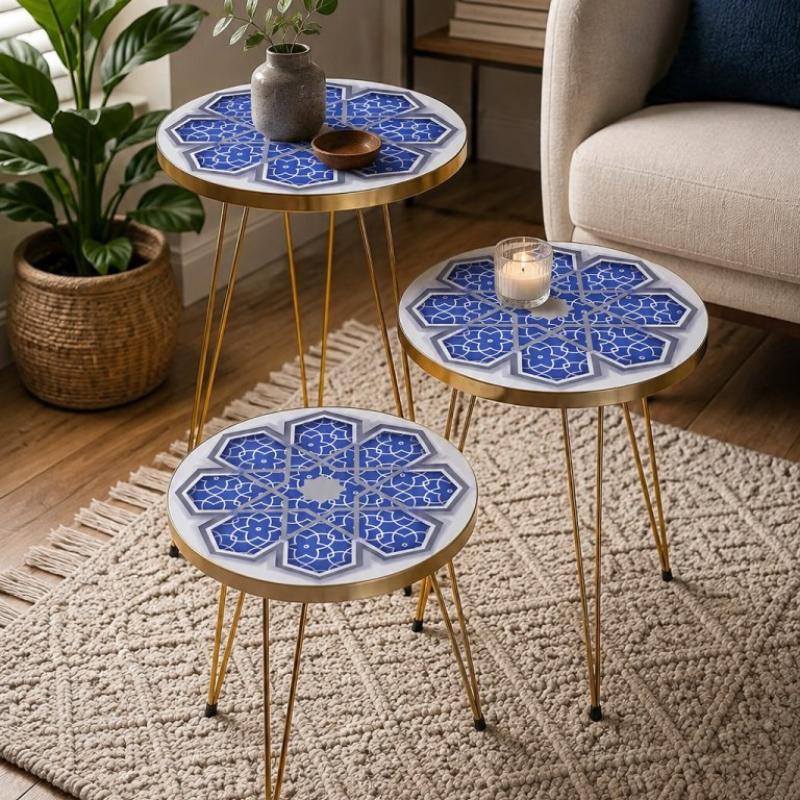
09 octobre
Explore Wafa Noor Islamic designer nesting tables ideas for practical home decor, with space-saving layouts, styling tips, and elegant design inspiration.
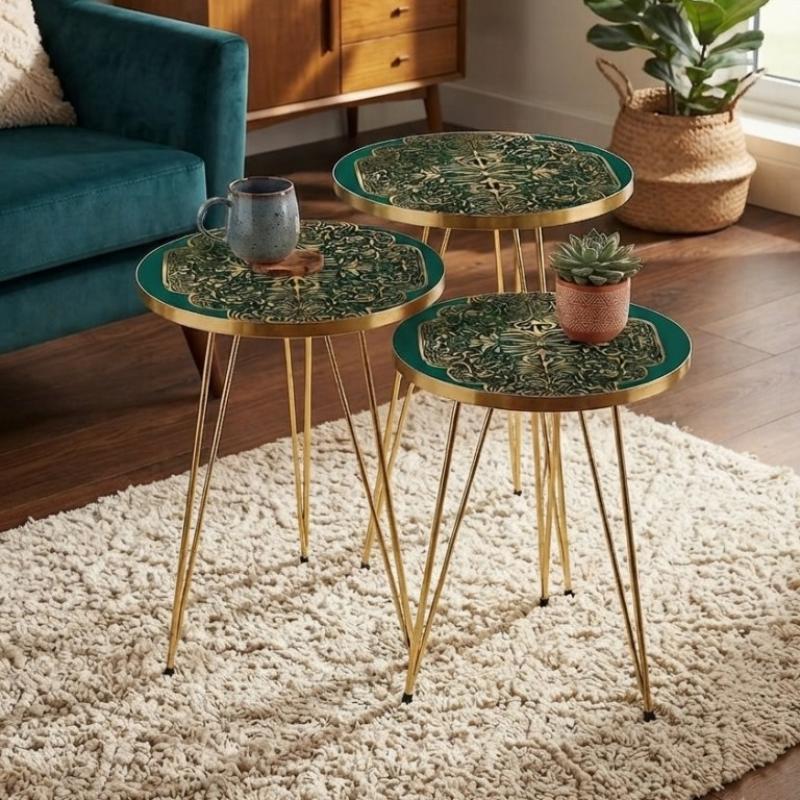
09 octobre
Discover Wafa Noor Islamic designer nesting tables for stylish contemporary homes, with modern styling tips, practical layouts, and elegant decor ideas.
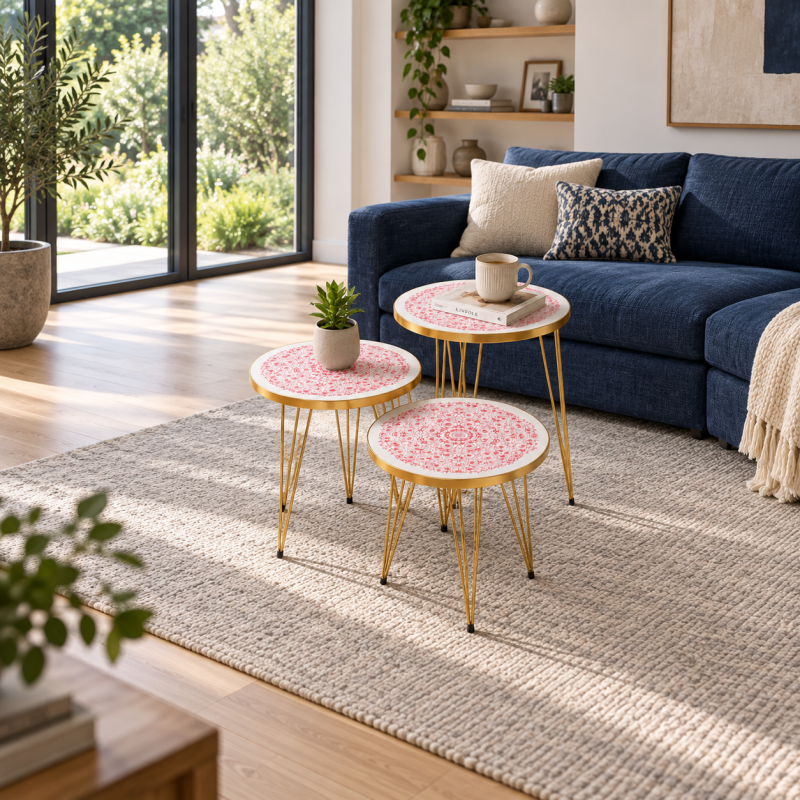
09 octobre
Explore Wafa Noor Islamic designer nesting tables for timeless interior decor, with elegant styling ideas, practical layouts, and harmonious design tips.
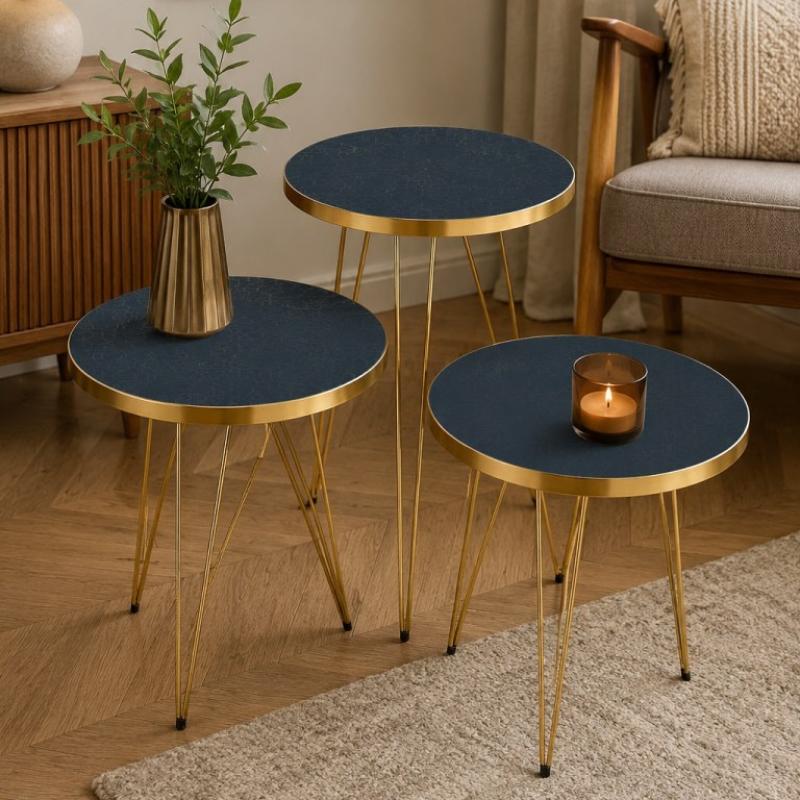
09 octobre
Discover Wafa Noor Islamic designer nesting table ideas for small living spaces, with practical styling tips for elegant, functional interiors.
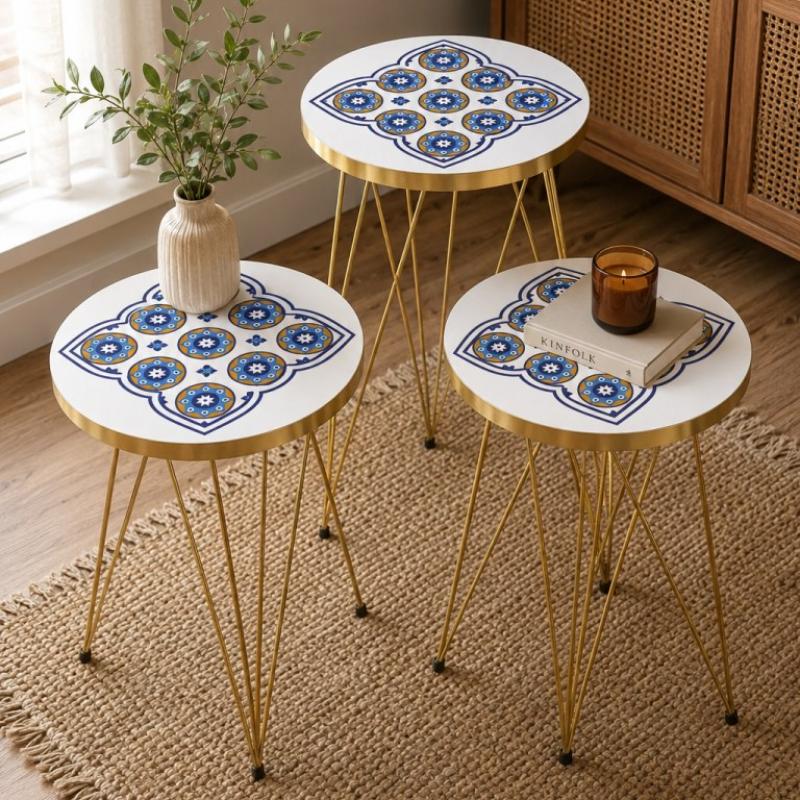
09 octobre
Discover Wafa Noor Islamic Designer Nesting Tables for luxurious home decoration, with elegant styling ideas, refined color palettes, and practical design tips.
Need Help?
Aydınlıkevler Mahallesi, 2006 Sokak, Gıyâsettin Özdemir Apartmanı No: 10/B, Yenişehir / Mersin
[email protected] +90 532 508 69 98Buy $100.00 more to get free shipping
Your cart is currently empty. Let us assist you in finding the right product.
Préférences de cookies