Your cart is empty
Your cart is currently empty. Let us assist you in finding the right product.

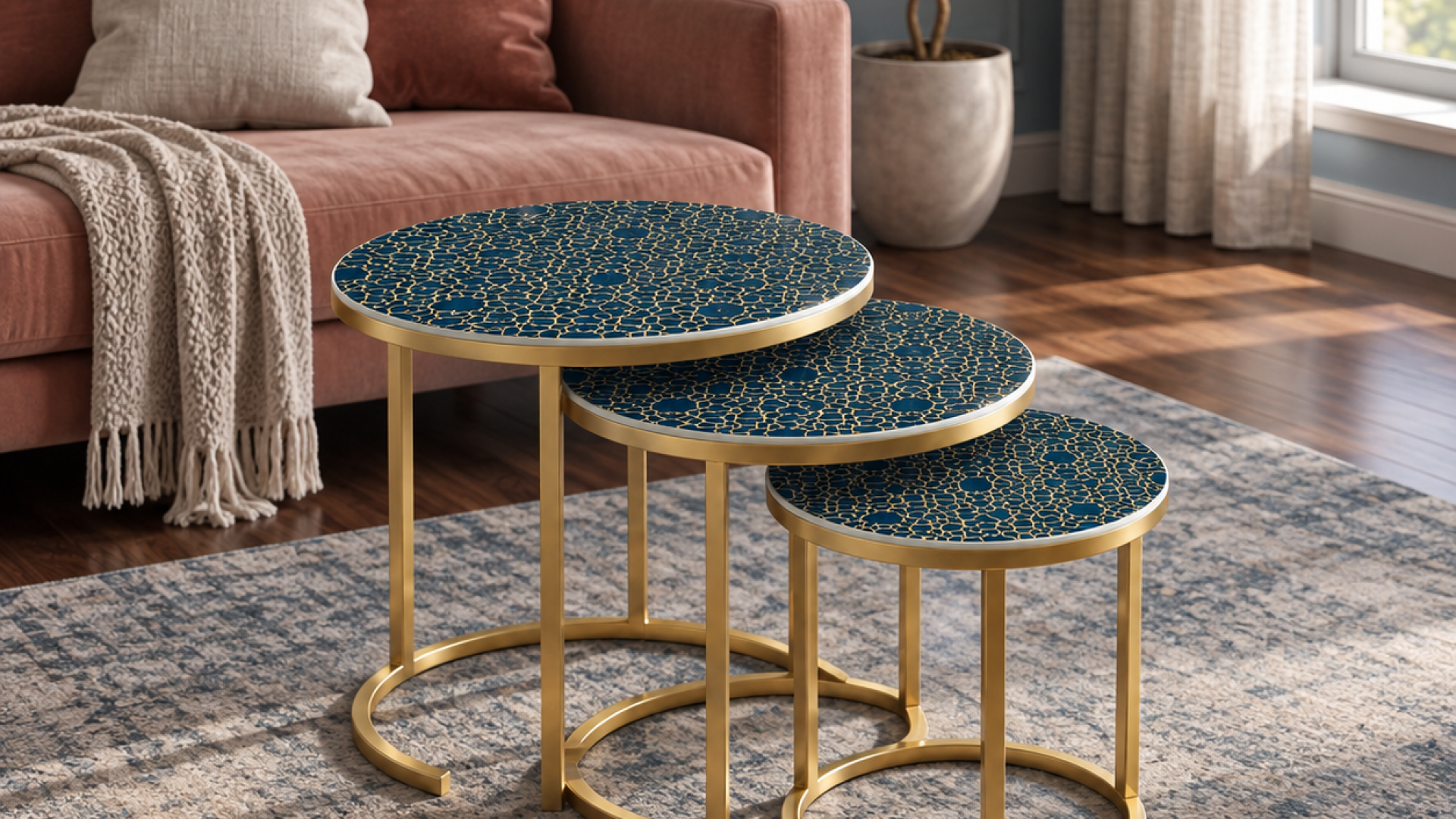
Wafa Noor bronze nesting tables offer an elegant way to combine practical furniture with enduring decorative appeal. Their warm metallic tones, layered arrangement, and versatile proportions make them suitable for interiors that value both functionality and sophisticated design. Whether placed beside a sofa or used as a decorative centerpiece, bronze nesting tables can bring depth and character to a room without overwhelming the overall aesthetic.
Timeless furniture design is about choosing pieces that remain attractive as interior trends change. Bronze finishes work particularly well in this approach because they complement natural wood, neutral upholstery, rich fabrics, and a wide range of accent colors. With thoughtful placement and balanced styling, nesting tables can become useful everyday furniture and an important part of a cohesive living room.
Bronze has a distinctive warmth that separates it from brighter metallic finishes. While chrome often creates a crisp, contemporary effect, bronze can feel more grounded, traditional, and inviting. This makes bronze nesting tables a natural choice for homeowners who want furniture with lasting visual appeal.
Their appeal also comes from their adaptable design. Depending on their shape, material, and surrounding decor, they can complement traditional, transitional, contemporary, and eclectic interiors.
Bronze introduces a subtle richness that can make a room feel more considered. It adds visual interest to understated furniture while remaining compatible with simple silhouettes and uncluttered spaces.
For example, a bronze nesting table beside a cream sofa can create a gentle contrast without requiring bold patterns or bright accessories. The finish provides enough character to make the arrangement feel intentional.
Nesting tables are designed to offer multiple surfaces within a relatively compact footprint. The smaller tables can be arranged beside the largest one or separated when extra space is needed.
This flexibility is useful in living rooms where people regularly entertain guests, rearrange furniture, or use the same area for different activities. Instead of introducing several unrelated side tables, a coordinated nesting set offers a more unified appearance.
The most successful furniture choices respond to the room's dimensions, existing materials, and everyday requirements. Before selecting bronze nesting tables, consider how they will function rather than focusing exclusively on their finish.
Round nesting tables are useful when you want to soften a room dominated by rectangular sofas, cabinets, and rugs. Their curved edges can also make circulation around seating areas feel more comfortable.
Square and rectangular designs may be better suited to structured layouts, especially when placed alongside straight-edged sofas or against a wall. Oval tables offer another option, combining an elongated surface with softer contours.
Consider these practical guidelines:
Bronze finishes can range from dark and antique-inspired to light, brushed, or polished. Each variation creates a different atmosphere, so the best choice depends on the existing color palette.
A dark bronze finish can create a dramatic contrast against pale walls and light upholstery. A softer brushed finish may suit transitional interiors, while a more reflective bronze can introduce glamour into a carefully edited contemporary space.
It is also worth checking how the finish looks in natural and artificial light. Metallic surfaces can appear warmer, darker, or more reflective depending on their surroundings.
The table's supporting materials influence both its appearance and practical use. Bronze-colored metal frames paired with glass can create a lighter visual effect, while bronze details combined with wood often produce a richer, more traditional impression.
Before buying, consider the following:
The material should support your lifestyle as well as your preferred aesthetic. For example, a household that frequently uses side tables for drinks may benefit from durable surfaces that are straightforward to clean.
Bronze nesting tables can serve several roles throughout the home. Their most effective use depends on the relationship between the tables, surrounding furniture, and decorative accessories.
Position the largest table near the main seating area and keep the smaller tables partially tucked underneath it. This arrangement creates a coordinated furniture grouping while preserving usable floor space.
Place the set near the sofa's arm so that a table is accessible for drinks, reading materials, or a small lamp. Keep the arrangement proportionate to the sofa rather than choosing tables that look unusually tall or oversized.
Cream, beige, taupe, and soft gray provide a calm backdrop for bronze finishes. These colors allow the metallic detail to stand out without making the room feel overly decorative.
To build a cohesive look, repeat the warm undertones through cushions, curtains, wooden furniture, or a textured rug. The goal is not to make every item match but to establish a subtle relationship between the different elements.
Dark walnut and other deep wood tones can enhance the traditional character of bronze nesting tables. Together, these materials create a layered look that feels appropriate for classic living rooms, studies, and formal sitting areas.
To avoid making the room feel too heavy, balance dark furniture with lighter walls, soft textiles, or carefully placed lighting. A cream lampshade or pale decorative object can provide contrast without disrupting the palette.
Bronze does not need to be reserved for traditional rooms. Tables with clean lines and restrained detailing can complement modern interiors, particularly when paired with streamlined sofas and minimal accessories.
Limit the number of decorative objects on the surfaces. A single sculptural vase, a small stack of books, or a simple tray can be enough to make the tables feel finished.
A bronze nesting table set can provide flexible surfaces beside an accent chair. Keep the largest table close enough to hold a reading lamp or a drink, and slide the smaller tables out when you need additional space.
This approach is especially helpful in multipurpose rooms where a permanent side table might take up unnecessary floor area. The set can remain compact when not in use.
If your nesting tables have a suitable size and appearance, they can contribute to a balanced seating arrangement. Place one set near one end of a sofa and use a visually compatible lamp, plant, or side table on the other side.
Symmetry works particularly well in formal rooms, but exact matching is not essential. Repeating the same bronze finish in two different forms can create balance while allowing the furniture to feel less predictable.
The right metallic finish depends on the atmosphere you want to create. Bronze generally offers warmth, but other finishes may work better in rooms with cooler colors or a more minimal design direction.
| Finish | Visual character | Best suited to |
|---|---|---|
| Bronze | Warm, grounded, and classic | Traditional and transitional interiors |
| Chrome | Bright, crisp, and reflective | Contemporary and minimalist rooms |
| Brass | Golden and decorative | Glamorous and eclectic spaces |
| Black metal | Bold and structured | Industrial and modern interiors |
| Brushed nickel | Subtle and cool-toned | Neutral and understated settings |
Bronze is especially useful when you want metallic detail without the brighter appearance of polished gold or chrome. However, it does not need to be the only metal in the room. Mixing finishes can work well when one finish is dominant and the others appear in smaller, deliberate accents.
A timeless furniture piece should adapt to the room rather than force the room into a single design style. Bronze nesting tables can work across several aesthetics when their shape, accessories, and placement are chosen carefully.
In a traditional room, bronze tables can complement carved wood furniture, patterned rugs, upholstered armchairs, and layered curtains. Look for designs with classic proportions or decorative details that relate to the other furnishings.
Keep the palette cohesive by combining bronze with deep brown, ivory, muted green, or burgundy accents. A restrained selection of accessories will help the furniture retain its elegance.
Transitional design combines traditional warmth with contemporary simplicity. Bronze nesting tables fit naturally into this approach because the finish adds character while the nesting format remains practical.
Pair them with a streamlined sofa, textured cushions, and a neutral rug. This creates a balanced room in which classic materials and modern shapes work together.
For contemporary spaces, choose bronze tables with simple frames, clean edges, or understated detailing. Their warm finish can prevent a neutral interior from feeling too cold or uniform.
Use negative space to your advantage. Leaving some surfaces clear allows the furniture's silhouette and finish to become part of the overall design.
Bronze can also connect furniture from different periods and styles. In an eclectic living room, the tables may sit alongside vintage accessories, modern artwork, colorful textiles, or sculptural lighting.
To keep the combination intentional, repeat at least one element elsewhere in the room, such as a warm metallic accent or a related color. This creates continuity without requiring every piece to belong to the same collection.
Beautiful furniture should also make daily routines easier. Placement affects how often nesting tables are used and whether they support the room's layout.
A few simple principles can help:
Think about how people move through the room. A table that looks attractive in a photograph may be inconvenient if it blocks access to a chair or sits too far from the sofa.
A well-styled tabletop combines visual interest with practical space. Begin with one functional item, such as a tray or a small lamp, and add only a few complementary accessories.
A simple arrangement might include:
Varying the height and texture of accessories creates dimension. However, the nesting tables should remain easy to use, so avoid covering every surface with decorations.
Bronze nesting tables are versatile, but a few styling mistakes can make them feel disconnected from the rest of the room.
Oversized tables can dominate a small seating area and interfere with movement. Measure the available space before choosing a set, and consider how much room the tables occupy when separated.
Combining bronze, chrome, brass, and other metals without a clear plan can make a room feel visually scattered. Choose one dominant metallic finish and use other finishes sparingly.
Too many accessories reduce the tables' practical value and hide their design. Edit the display regularly, keeping only objects that contribute to the room's appearance or everyday function.
Bronze can look different against warm and cool colors. Before settling on a design, consider the undertones of your flooring, walls, upholstery, and other furniture.
The advantage of nesting furniture is its flexibility. Keeping every table tucked together at all times means missing opportunities to use the smaller pieces beside an armchair, in a guest area, or near another seating position.
Appropriate care helps preserve the appearance of the finish. The exact cleaning method depends on whether the tables are made from solid bronze, plated metal, a painted surface, or another material with a bronze-colored finish.
Use a soft cloth to remove dust and follow the manufacturer's care instructions. Avoid assuming that every bronze-looking surface can tolerate the same cleaning products.
For everyday maintenance:
If the finish is plated or coated, aggressive polishing can damage its protective layer. When the material is uncertain, test any approved cleaning method on a discreet area first.
Bronze offers a warm metallic appearance that works with many materials and color palettes. When paired with a versatile shape, it can remain attractive even as decorative trends change.
Yes. Designs with clean lines and minimal ornamentation can complement modern furniture particularly well. Neutral upholstery and restrained accessories help the bronze finish stand out without overwhelming the space.
Cream, beige, taupe, brown, charcoal, and muted green are useful options. The best combination depends on the finish's undertone and the atmosphere you want to create.
Round tables can soften a room with many straight lines, while rectangular designs often suit structured layouts. Choose the shape that works best with your seating arrangement, circulation space, and preferred style.
Yes. Their ability to nest together makes them useful when floor space is limited. The smaller tables can be separated when extra surfaces are needed and tucked away afterward.
Start with one functional accessory and add a small number of decorative pieces with different heights or textures. Keep some surface area clear so the tables remain practical for everyday use.
Yes, provided the combination feels intentional. Use bronze as the main metallic accent and introduce another finish in smaller details, such as lighting or decorative accessories.
Use a soft cloth and follow the care instructions for the actual surface material. Avoid harsh cleaners and abrasive products, especially when the bronze appearance comes from plating or a protective coating.
Absolutely. They can complement dark wood, classic upholstery, patterned rugs, and traditional accessories. Simpler bronze designs can also help traditional rooms feel less formal.
Check the dimensions, table heights, nesting fit, material quality, finish, and care requirements. Consider how the tables will function in your room as well as how they will look with your existing furniture.
Discover more stories and style tips to keep your inspiration flowing.
09 octobre
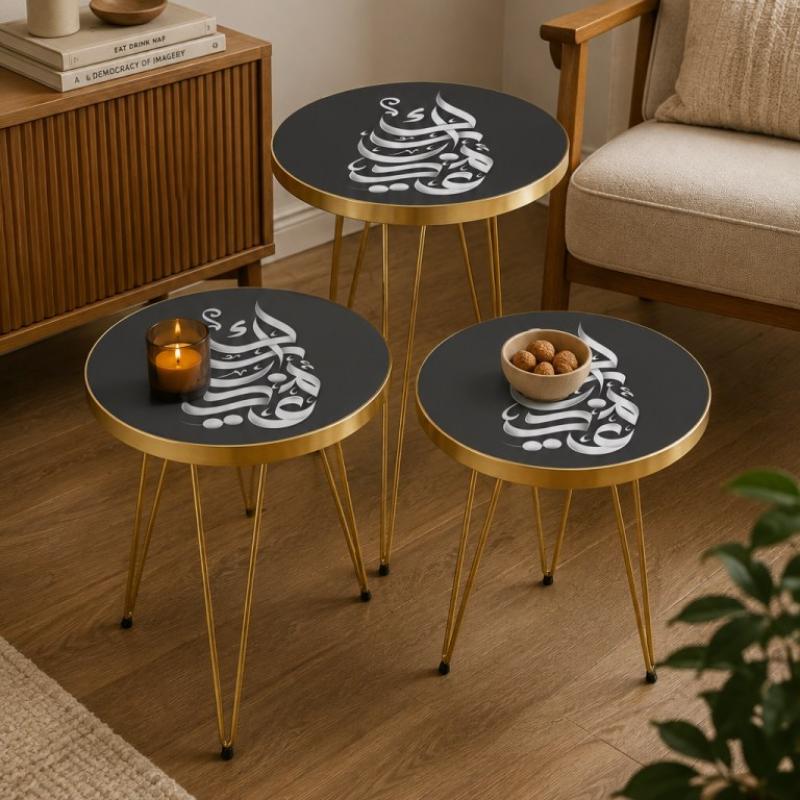
Discover Wafa Noor Islamic designer nesting tables for beautiful living room interiors, with elegant styling ideas, balanced layouts, and decor tips.
09 octobre
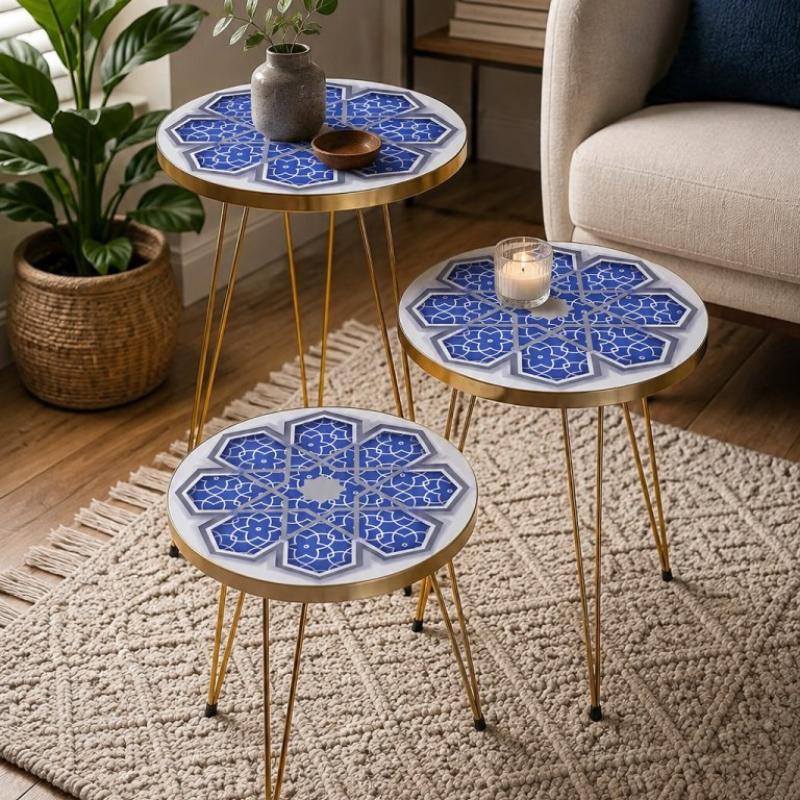
Explore Wafa Noor Islamic designer nesting tables ideas for practical home decor, with space-saving layouts, styling tips, and elegant design inspiration.
09 octobre
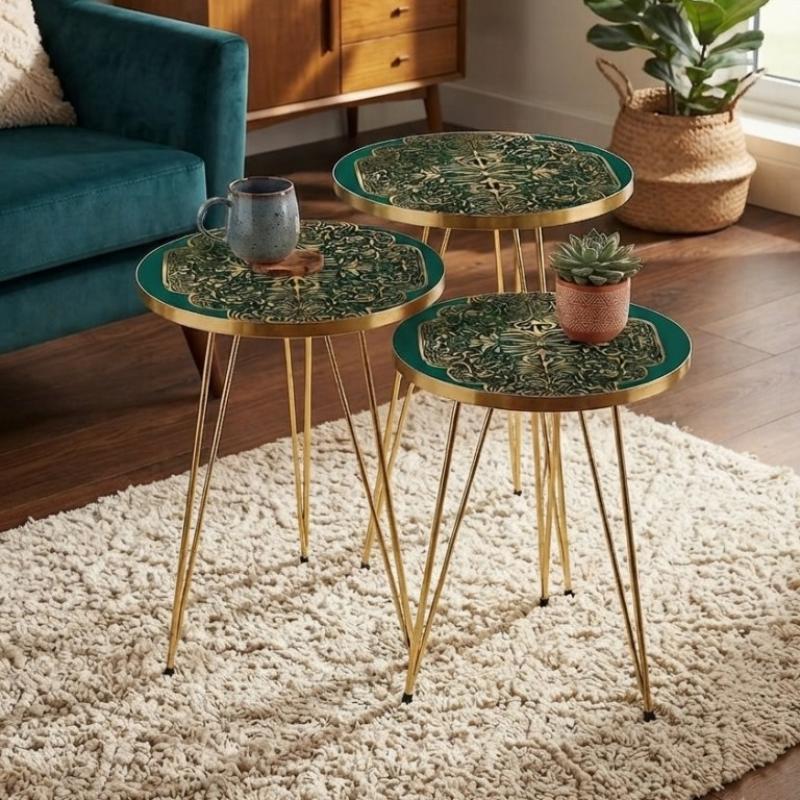
Discover Wafa Noor Islamic designer nesting tables for stylish contemporary homes, with modern styling tips, practical layouts, and elegant decor ideas.
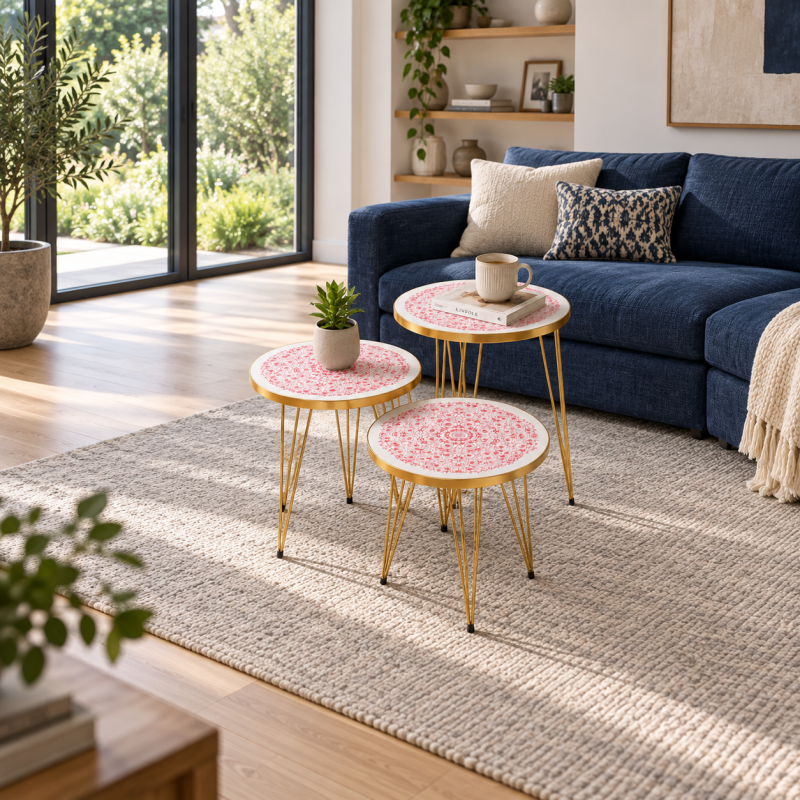
09 octobre
Explore Wafa Noor Islamic designer nesting tables for timeless interior decor, with elegant styling ideas, practical layouts, and harmonious design tips.
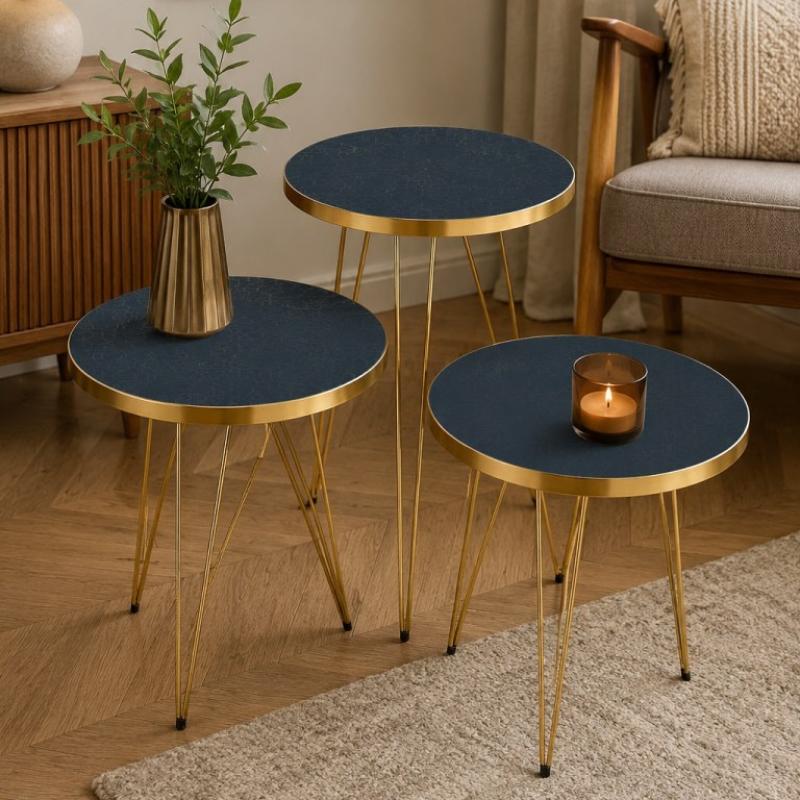
09 octobre
Discover Wafa Noor Islamic designer nesting table ideas for small living spaces, with practical styling tips for elegant, functional interiors.
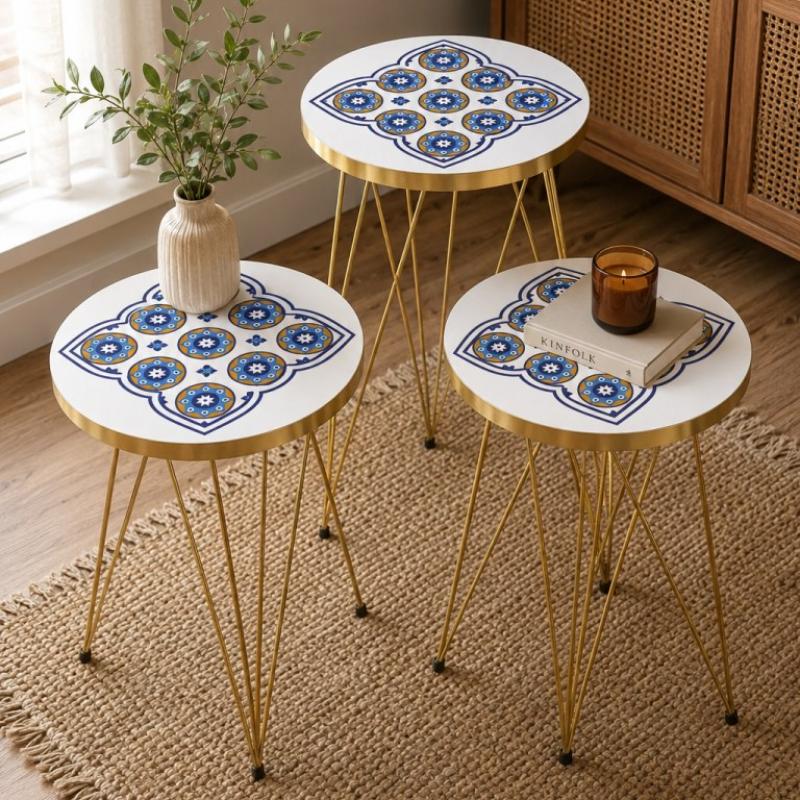
09 octobre
Discover Wafa Noor Islamic Designer Nesting Tables for luxurious home decoration, with elegant styling ideas, refined color palettes, and practical design tips.
Need Help?
Aydınlıkevler Mahallesi, 2006 Sokak, Gıyâsettin Özdemir Apartmanı No: 10/B, Yenişehir / Mersin
[email protected] +90 532 508 69 98Buy $100.00 more to get free shipping
Your cart is currently empty. Let us assist you in finding the right product.
Préférences de cookies