Your cart is empty
Your cart is currently empty. Let us assist you in finding the right product.

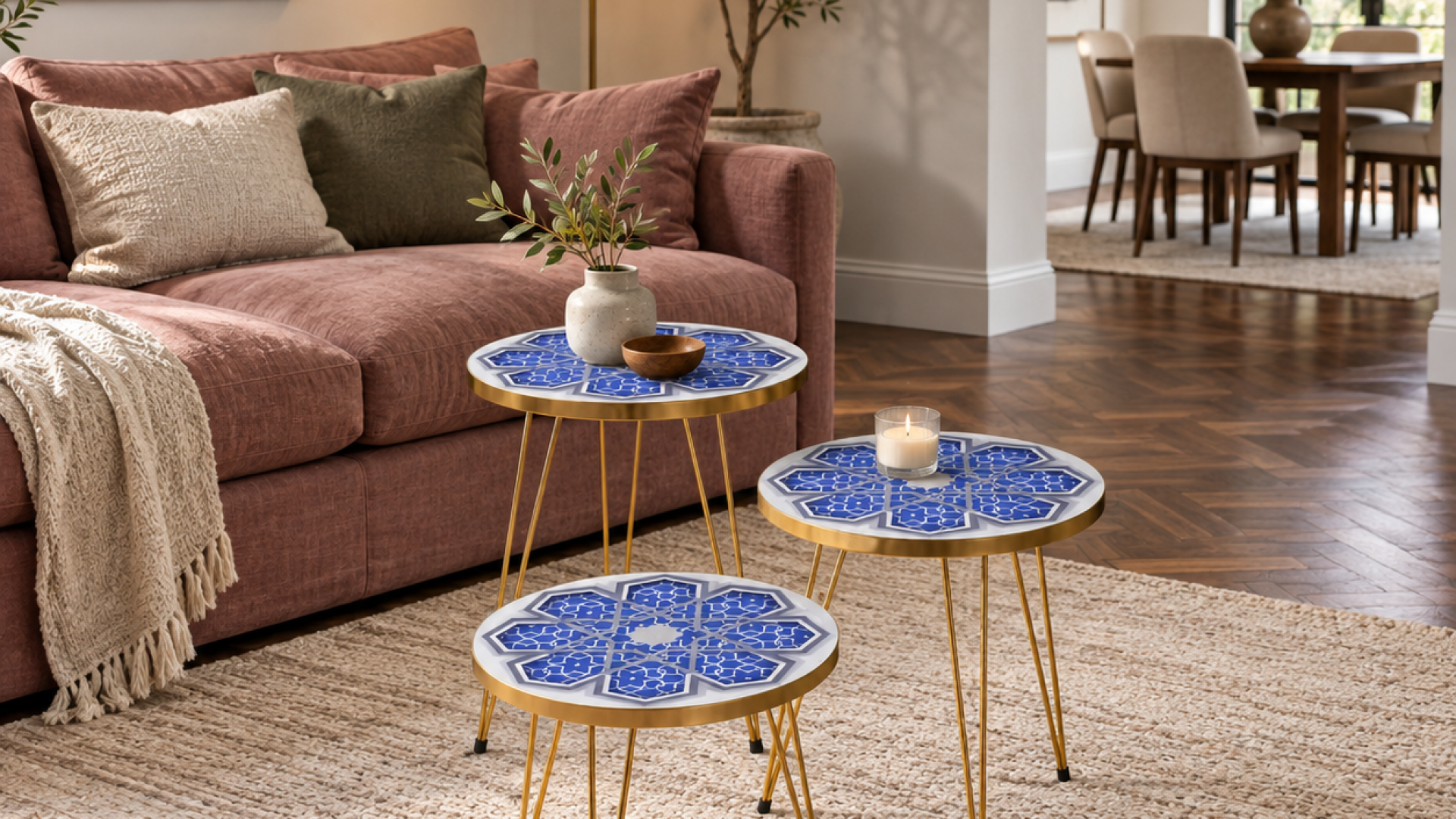
A timeless interior does not depend on following every new decorating trend. Instead, it combines practical furniture, balanced proportions, complementary materials, and details that continue to feel appropriate as personal tastes evolve. Black nesting tables can contribute to this approach by offering a defined visual presence and a flexible arrangement that suits different rooms and furniture styles.
Exploring Wafa Noor black nesting tables for timeless furniture style means looking at how a versatile furniture set can remain relevant through thoughtful placement and changing decorative choices. Whether your home features classic wood furniture, contemporary upholstery, or a blend of traditional and modern details, black nesting tables can provide a connecting element without requiring a complete redesign.
Black has remained a familiar choice in interior design because it creates contrast without depending on a particular accent color. It can complement pale walls, rich wood tones, neutral upholstery, and carefully selected decorative details.
One advantage of black furniture is its ability to work with different palettes. If you replace beige cushions with muted green ones or update your artwork, black nesting tables can often remain part of the arrangement.
This flexibility can be useful when you prefer to refresh a room through smaller changes rather than replacing major furniture pieces. The tables become a stable element while accessories and textiles introduce variation.
Dark furniture can give a seating arrangement a clear visual anchor. Beside a light-colored sofa or against a neutral wall, black nesting tables create a noticeable outline without requiring ornate decoration.
Their visual presence can also balance furniture with soft upholstery, curved arms, or textured fabrics. The contrast between firm table shapes and softer furnishings helps the room feel composed.
A timeless color palette often begins with shades that are easy to combine and comfortable to live with. Black nesting tables can work as an accent within a neutral foundation, allowing other colors to be introduced gradually.
Cream and ivory soften the contrast created by black furniture. These shades can appear in curtains, upholstery, cushions, or rugs to create a light and welcoming atmosphere.
For example, black nesting tables beside an ivory sofa can create a balanced arrangement when supported by warm wood flooring and simple artwork. The result does not rely on a short-lived color trend.
Gray and taupe provide subtle alternatives to a predominantly white interior. Light gray can create a cooler, restrained atmosphere, while taupe introduces a warmer transition between black furniture and natural materials.
Use different shades to create depth rather than selecting every accessory in exactly the same color. A combination of warm gray textiles, a taupe rug, and black tables can feel coordinated without appearing overly matched.
A timeless room does not have to be colorless. Deep green, muted blue, terracotta, or burgundy can add personality through smaller decorative elements.
Consider introducing these colors through cushions, flowers, books, or artwork. Because such items are relatively easy to change, they offer a practical way to refresh the room while keeping the main furniture arrangement intact.
Timeless interiors often mix traditional and contemporary elements instead of following a single design period. Black nesting tables can help bridge these styles because their dark finish creates a visual connection between varied materials and silhouettes.
A wooden sideboard, classic bookcase, or traditional armchair can work alongside black nesting tables when their proportions and finishes are considered carefully. Wood introduces warmth, while black adds definition.
Choose wood tones that complement the existing room. Warm oak, walnut, and other natural finishes can provide an appealing contrast, but the best combination depends on the undertones and visual weight of the furniture.
Streamlined sofas and simple armchairs can pair naturally with black nesting tables. In this setting, the tables can reinforce the room's clean lines without making the arrangement feel overly formal.
Add a textured throw, a patterned cushion, or a traditional decorative object to introduce character. Mixing a few different influences often creates a more personal interior than purchasing every piece from the same style category.
When the room contains furniture from different periods, repeat selected finishes or shapes. A black picture frame, dark lamp base, or small black decorative object can connect the nesting tables with other parts of the room.
The repetition should remain subtle. Too many matching elements can make a room feel staged, while a few carefully placed details help the furniture appear naturally related.
A timeless furniture arrangement benefits from materials that complement one another rather than competing for attention. The surrounding finishes can influence whether black nesting tables appear traditional, modern, or transitional.
Wood can make a room feel grounded and visually connected to natural materials. Use it in flooring, shelving, a console table, or small decorative objects near the nesting tables.
You do not need to match every wood tone exactly. A consistent undertone and a restrained selection of finishes can be enough to create a coherent appearance.
Textiles introduce a tactile quality that contrasts with hard furniture surfaces. Linen curtains, wool-look rugs, and textured cushions can make the seating area feel comfortable without relying on elaborate decoration.
For a lasting look, consider patterns and colors that complement several elements in the room. Simple stripes, restrained checks, and subtle textures can provide interest while remaining adaptable.
Ceramic vessels add a handcrafted feel, while glass accessories can introduce visual lightness. Stone-look objects may provide a quiet decorative detail when their color and scale suit the room.
Choose accessories based on the character of your existing furniture. A rustic ceramic bowl may work well with natural wood, while a clear glass vase can complement a more streamlined contemporary setting.
The nesting arrangement is more than a visual feature. It provides options for adjusting the amount of surface space available without permanently spreading furniture across the room.
When additional surface space is unnecessary, tuck the smaller table beneath the larger one. This keeps the arrangement compact and gives the furniture a unified appearance.
The larger table can hold a lamp, a book, or a small decorative piece, while the smaller one remains accessible for occasional use. Avoid placing objects where they make it difficult to separate the tables.
When entertaining, reading, or rearranging the seating area, move the smaller table to another suitable position. It might serve an accent chair or provide a convenient surface near another seat.
After the activity, return the tables to their original arrangement if that better suits the room. This flexibility allows the furniture to respond to daily routines rather than forcing the room into one fixed layout.
Even compact furniture needs appropriate spacing. Leave enough room for people to walk around the tables and reach the sofa or chairs comfortably.
Before settling on a position, consider the main routes between the entrance, seating, windows, and adjoining spaces. A slightly asymmetrical arrangement may be more practical than a perfectly centered one.
Understanding the difference between enduring design choices and short-term decorative trends can help you decide how to style black nesting tables.
| Design element | Timeless approach | Trend-led approach |
|---|---|---|
| Color palette | Adaptable neutrals with selective accents | Strong reliance on a current color trend |
| Accessories | A few meaningful, versatile objects | Frequent changes to decorative collections |
| Furniture arrangement | Based on comfort and proportions | Focused primarily on a particular visual look |
| Materials | A balanced mix of complementary textures | Materials selected mainly for immediate visual impact |
| Personalization | Artwork and objects with lasting personal value | Decorations replaced frequently to follow trends |
Trends can be enjoyable when used in smaller, replaceable elements. A seasonal cushion, a distinctive vase, or a current artwork style can refresh the room without determining every furniture decision.
The most useful approach is not to avoid trends entirely. Instead, keep the core furniture arrangement adaptable and let personal preferences guide the decorative details.
Although living rooms are a natural setting for nesting tables, their usefulness can extend to other spaces where compact surfaces are needed.
Position the tables beside a sofa, near a reading chair, or within a secondary seating area. A tray, small vase, or carefully selected book can introduce decoration while leaving room for everyday objects.
If the room already has a large coffee table, use the nesting set as a supporting surface rather than duplicating the same function in the center of the room.
Depending on their height and dimensions, nesting tables may work beside a lounge chair or within a bedroom seating corner. Their compact arrangement can be useful where a permanent large side table would occupy too much space.
Check the table height and available floor area before choosing this use. The tables should remain easy to reach and should not obstruct access around the bed or other furniture.
A nesting-table set can provide a secondary surface beside a comfortable chair or within a multipurpose home office. The larger table may hold reading materials, while the smaller one can be moved into place when required.
Avoid assuming that a decorative nesting table is a replacement for a properly sized work desk. Its role is better suited to occasional tasks and supporting surfaces unless its dimensions specifically meet your needs.
The way you style the tabletops can influence whether the furniture feels practical, decorative, or overly formal. A restrained arrangement is often easier to adapt as the room changes.
A vase, a small sculpture, or a lamp can provide a focal point on the larger table. Select an item that complements the surrounding colors and is appropriately sized for the surface.
A single well-chosen object can have more impact than a collection of unrelated accessories. Leave some empty space around it so the tabletop remains visible.
If you prefer a layered arrangement, vary the height and shape of the accessories. A low tray, a medium-height bowl, and a taller vase can create visual interest when their proportions are balanced.
Avoid placing several tall objects together if they interfere with sightlines across the seating area. Decorations should enhance the room without making conversation or everyday use less comfortable.
The smaller nesting table can stay mostly clear. This creates a practical surface that can be used for a drink, a book, or other temporary items.
Keeping the tables slightly different in their decoration can also prevent the arrangement from feeling too symmetrical. Coordination is important, but identical styling is not essential.
Timeless interiors depend on thoughtful choices, but small errors can make the furniture feel disconnected from its surroundings.
Review the arrangement from different viewpoints and during normal daily use. If the tables feel inconvenient or visually disconnected, adjust their position before adding more decoration.
Black can coordinate with a broad range of colors, materials, and furniture styles. The nesting design also offers flexibility when room layouts or daily needs change. Their long-term suitability depends on construction, proportions, and how well they fit the interior.
Cream, ivory, beige, gray, taupe, and natural wood tones create adaptable combinations. Muted green, navy, or terracotta can add personality without requiring a full room redesign. Choose shades that work with the existing floor, walls, and upholstery.
Yes. They can create a useful contrast beside traditional wood furniture, classic armchairs, or framed artwork. Repeating black in a few smaller details can help connect the tables with the rest of the room.
Focus on a balanced layout, versatile colors, and accessories that reflect your personal taste. Avoid relying entirely on one short-lived decorative trend. Updating textiles or small objects can refresh the room while the main furniture arrangement remains in place.
They can be useful because the smaller table can remain tucked underneath the larger one or be separated when extra surface space is needed. Their practicality depends on the dimensions, stability, and intended use. Check that the surfaces are convenient for the activities you regularly perform.
Pair them with warm neutral textiles, natural wood, and a small number of carefully selected accessories. A ceramic vase, a stack of books, or a simple tray can add interest without making the arrangement feel crowded. Leave enough clear space for practical use.
Yes, provided their dimensions are appropriate for the room. Keeping the tables nested reduces their footprint when both surfaces are not required. Measure the area and maintain comfortable walking space before deciding on their final position.
Follow the manufacturer's cleaning and maintenance instructions for the specific material and finish. Use suitable cleaning cloths and avoid abrasive products unless they are explicitly recommended. Coasters and trays may help reduce moisture marks and everyday wear.
Discover more stories and style tips to keep your inspiration flowing.
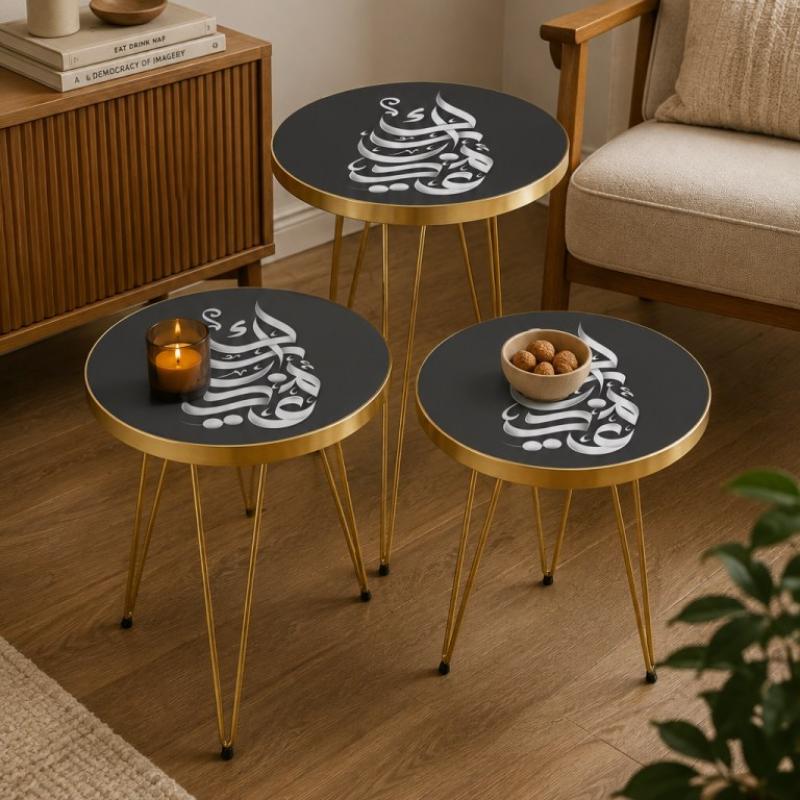
09 octobre
Discover Wafa Noor Islamic designer nesting tables for beautiful living room interiors, with elegant styling ideas, balanced layouts, and decor tips.
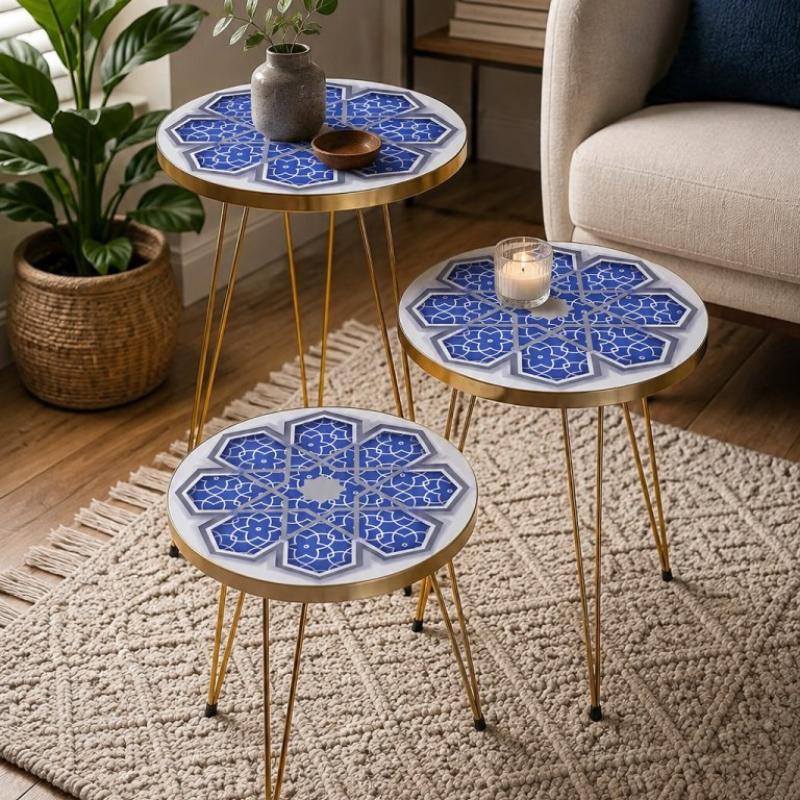
09 octobre
Explore Wafa Noor Islamic designer nesting tables ideas for practical home decor, with space-saving layouts, styling tips, and elegant design inspiration.
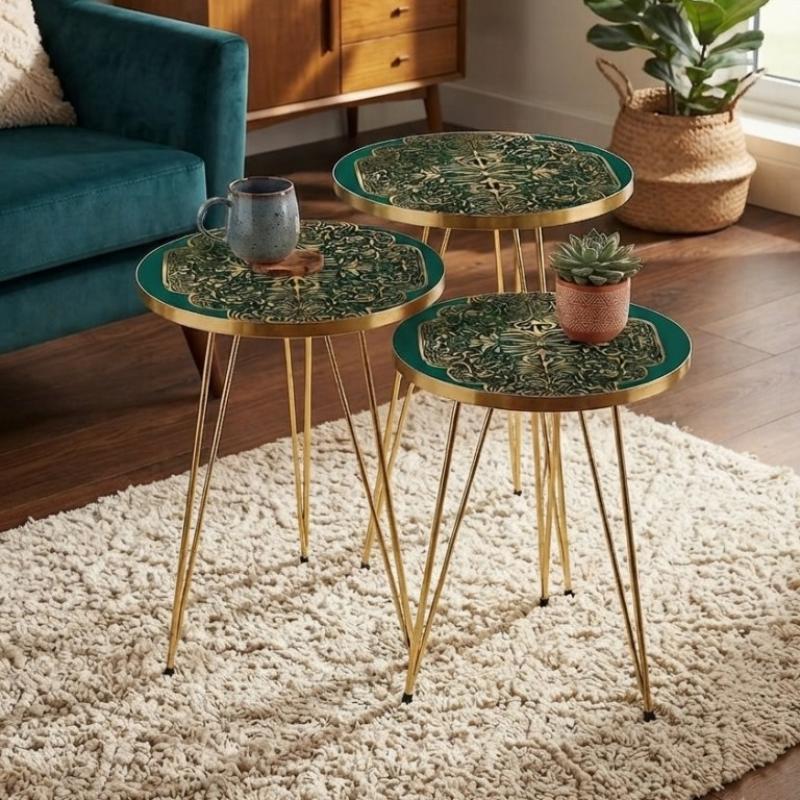
09 octobre
Discover Wafa Noor Islamic designer nesting tables for stylish contemporary homes, with modern styling tips, practical layouts, and elegant decor ideas.
09 octobre
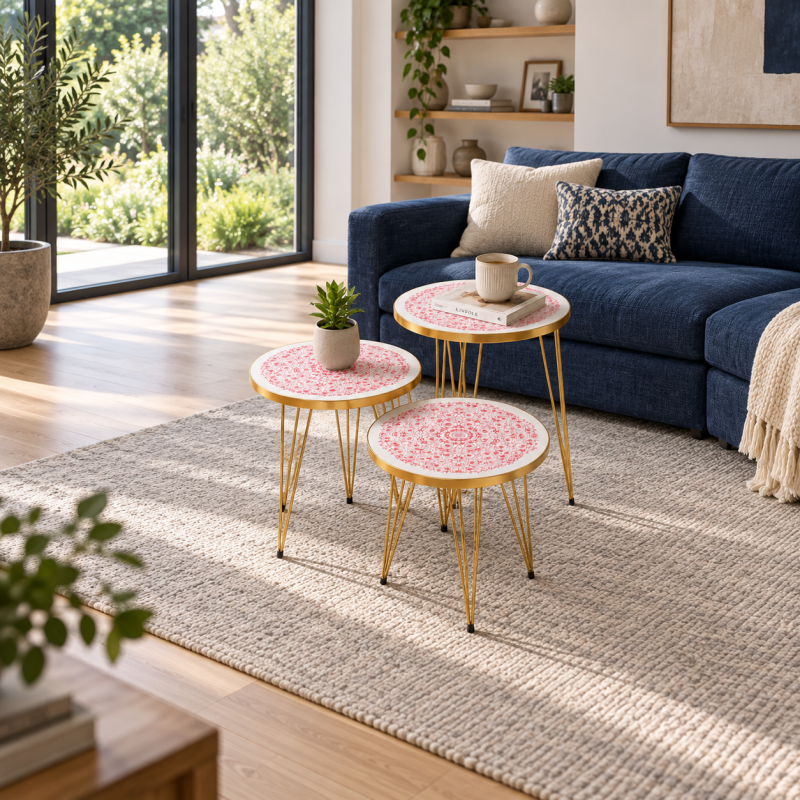
Explore Wafa Noor Islamic designer nesting tables for timeless interior decor, with elegant styling ideas, practical layouts, and harmonious design tips.
09 octobre
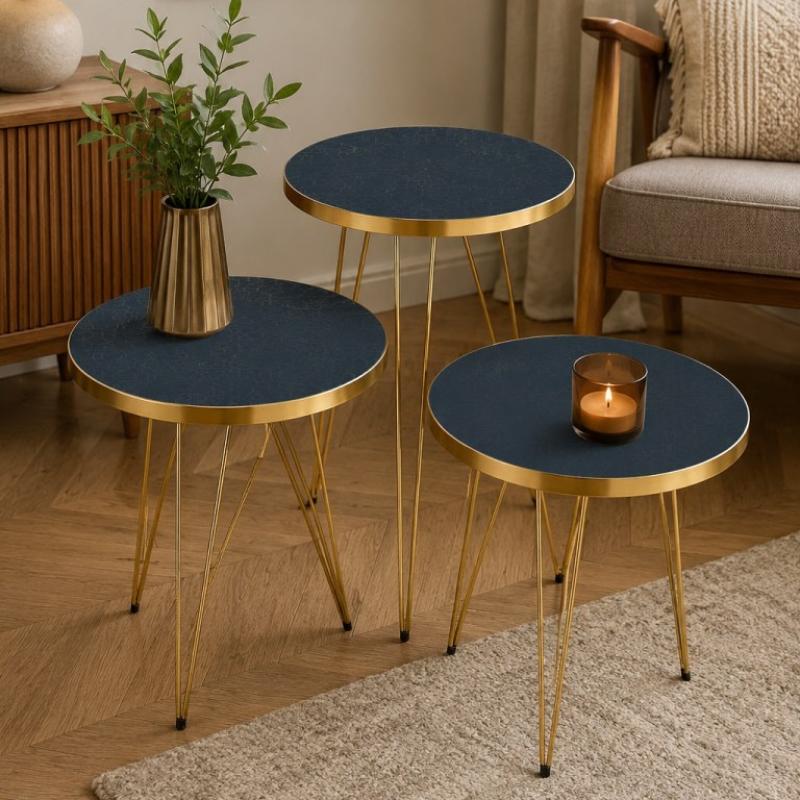
Discover Wafa Noor Islamic designer nesting table ideas for small living spaces, with practical styling tips for elegant, functional interiors.
09 octobre
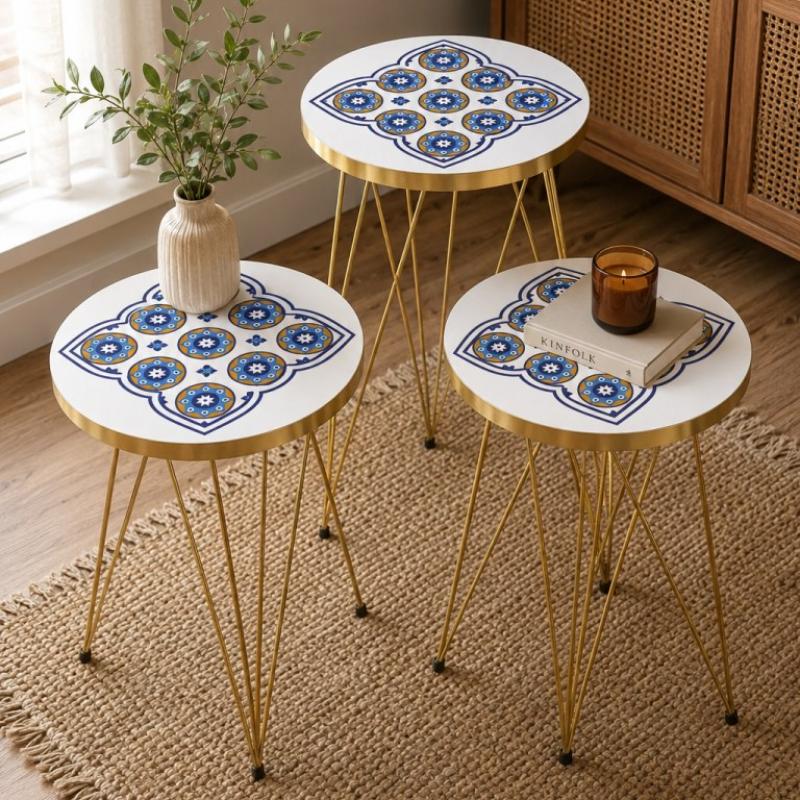
Discover Wafa Noor Islamic Designer Nesting Tables for luxurious home decoration, with elegant styling ideas, refined color palettes, and practical design tips.
Need Help?
Aydınlıkevler Mahallesi, 2006 Sokak, Gıyâsettin Özdemir Apartmanı No: 10/B, Yenişehir / Mersin
[email protected] +90 532 508 69 98Buy $100.00 more to get free shipping
Your cart is currently empty. Let us assist you in finding the right product.
Préférences de cookies