Your cart is empty
Your cart is currently empty. Let us assist you in finding the right product.

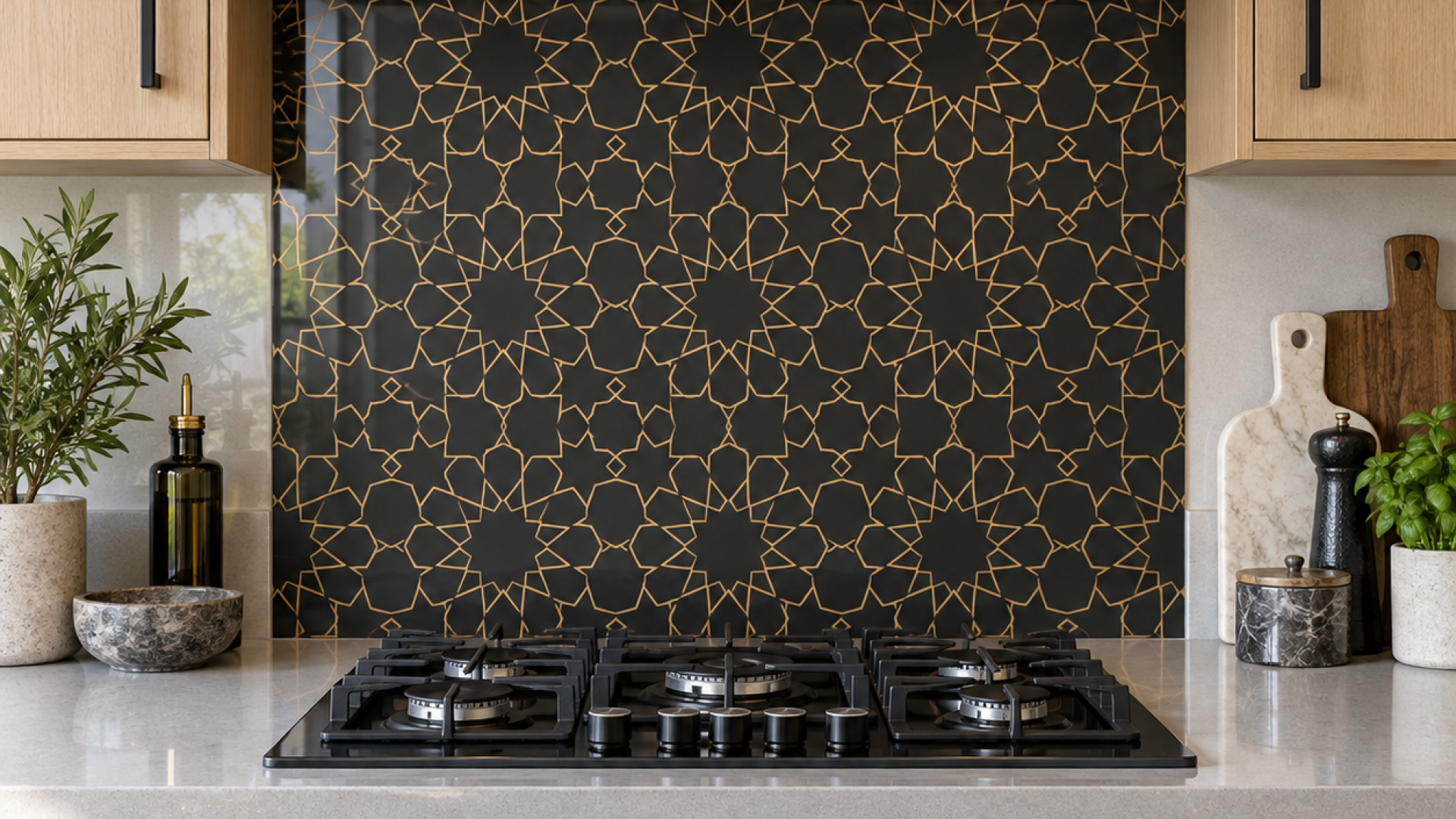
A Wafanoor distressed mirror splashback can introduce vintage character, reflective detail, and distinctive visual texture into a kitchen or another carefully styled interior. Unlike a standard mirror with a perfectly uniform finish, distressed mirror surfaces feature decorative variations that may resemble aged glass, subtle weathering, or the patina of antique mirrors. These details create an individual look that works particularly well in interiors combining traditional charm with contemporary design.
Choosing a distressed mirror splashback involves more than selecting an attractive finish. The surrounding cabinetry, worktops, lighting, room proportions, and intended use all influence the final result. With the right combination of materials and colours, a distressed mirror splashback can become a focal point without overwhelming the rest of the space.
This guide explores how to style distressed mirror splashbacks, which colours and materials complement them, what to consider before installation, and how to maintain their appearance over time.
A distressed mirror splashback is a reflective wall covering designed to imitate the aged appearance of antique or weathered mirror glass. Depending on the finish, it may feature subtle marks, irregular tonal variations, darker patches, or a gently aged effect across the reflective surface.
These characteristics create more visual depth than a conventional plain mirror. Rather than presenting a perfectly consistent reflection, the surface introduces texture and variation that can make a kitchen feel more layered and thoughtfully designed.
Distressed mirror finishes are available in different styles. Some feature a restrained, understated aged effect, while others have stronger contrasts and more noticeable decorative markings. The best option depends on whether the room calls for a subtle background feature or a more distinctive statement.
Before choosing a product, review photographs or physical samples to understand how the actual finish looks under different lighting conditions. The term distressed mirror can describe a range of appearances, so checking the specific pattern is important.
One of the main advantages of a distressed mirror splashback is its ability to bring vintage character into contemporary interiors. Its aged appearance pairs naturally with classic cabinetry, traditional hardware, and natural materials, but it can also soften the clean lines of a modern kitchen.
For example, a kitchen with flat-fronted cabinets and minimal decoration can gain warmth and individuality from an aged reflective surface. In a more traditional room, the same finish may reinforce the character of painted cupboards, decorative mouldings, and brass details.
A standard mirror can sometimes look too sleek for rooms with rustic, industrial, or vintage-inspired styling. Distressed finishes introduce visual variation that makes the reflective element feel more decorative and less uniform.
The degree of reflection depends on the particular finish. Some distressed designs retain considerable reflectivity, while others have a more muted or fragmented appearance. Consider the balance between decorative texture and practical reflection when comparing options.
Reflective surfaces can help distribute light and create a greater sense of depth, especially in smaller kitchens or rooms with limited natural light. A distressed mirror splashback may provide this effect while adding more character than a plain reflective panel.
However, the result depends on the level of reflectivity, the size of the installation, and what the surface reflects. A mirror positioned opposite an attractive window or a well-lit area may enhance the space, while one reflecting visual clutter can make the room feel busier.
Because distressed mirror finishes vary in appearance, they can serve as a decorative feature in their own right. They work particularly well behind a worktop, along a selected kitchen wall, or in a drinks area where reflective detail can be appreciated without competing with too many other patterns.
Shaker-style cabinets offer a natural setting for distressed mirror splashbacks. Their simple recessed panels provide enough traditional detail to complement the aged finish without creating an overly ornate appearance.
Cream, warm white, taupe, and soft grey cabinetry can all work well. Brass or antique bronze handles strengthen the traditional character, while a pale stone-effect worktop helps keep the overall design balanced.
For a more contemporary interpretation, combine understated Shaker cabinetry with a restrained distressed mirror pattern and minimal accessories.
Deep green, navy, charcoal, and black cabinets can create a striking contrast with a reflective aged surface. The variation in the mirror finish can prevent the combination from feeling excessively sleek or formal.
Dark cabinetry is especially effective when paired with warm lighting and lighter worktops. Cream stone, pale marble-effect surfaces, or natural timber can introduce contrast and stop the room from appearing too dark.
When choosing this combination, consider the room's natural light. In a darker kitchen, use lighting strategically and avoid adding too many deep finishes across every surface.
Wood introduces a softer, organic quality that complements the aged appearance of a distressed mirror splashback. Oak, walnut, and other warm timber finishes can help create a kitchen that feels welcoming rather than overly decorative.
A distressed mirror behind a timber worktop or alongside wood-fronted cabinets can suit rustic, heritage-inspired, and transitional interiors. If the wood has a strong grain, consider a more subtle mirror pattern so that the two textures do not compete.
For a balanced palette, combine timber with ivory, muted green, warm grey, or brushed metal details.
Marble and marble-effect worktops bring natural veining and visual movement to a kitchen. When combined with a distressed mirror splashback, they can produce a layered design with both organic and reflective qualities.
White or cream stone creates a light, elegant look, while darker stone can provide a stronger contrast. To keep the finish cohesive, coordinate the overall undertones of the stone and mirror rather than trying to match every colour exactly.
If both materials have prominent patterns, use simple cabinetry and understated accessories to give the eye a place to rest.
A distressed mirror splashback is not limited to the main cooking area. It can also add atmosphere to a kitchen bar, coffee station, or drinks cabinet.
In these settings, the aged reflective finish can work alongside glassware, wooden shelving, dark paint, and warm metal accents. Carefully positioned lighting can highlight the surface texture and create an inviting evening atmosphere.
Since these areas may have different practical requirements from a cooking zone, choose a material and installation method suitable for the specific location.
The colour palette surrounding a distressed mirror splashback can influence whether the finished room feels light and relaxed, warm and traditional, or dramatic and contemporary.
Warm neutrals: Cream, beige, ivory, and taupe create a gentle backdrop for aged reflective surfaces. These colours suit classic kitchens and interiors designed to feel welcoming.
Muted greens: Sage, olive, and deep forest green complement the vintage character of distressed mirror. Pale green creates a softer result, while darker shades establish a more dramatic feature.
Charcoal and black: Dark cabinetry produces strong visual contrast and can make a reflective finish stand out. Balance these colours with adequate lighting and lighter materials where necessary.
Natural timber tones: Oak and walnut add warmth and texture. They work especially well when the mirror has a muted, antique-style appearance.
Brass and bronze accents: Warm metal finishes reinforce the aged character of distressed mirror. Cabinet handles, taps, lighting, and small accessories can help connect the elements throughout the room.
Rather than introducing all these finishes at once, select two or three dominant materials and repeat them thoughtfully. A coordinated palette usually creates a more convincing result than a collection of unrelated decorative features.
The most suitable location depends on the product's construction and intended use.
A distressed mirror splashback can provide decorative interest along a preparation area. Before installation, check whether the chosen panel is designed for kitchen use and whether it can withstand the environmental conditions in that location.
This location requires particular attention. Not every mirror product is suitable for installation behind a hob, and heat resistance cannot be assumed from appearance alone.
Check the manufacturer's specifications for the exact panel, the appliance type, required clearances, and any installation restrictions. A suitable heat-resistant product or an alternative splashback material may be necessary depending on the circumstances.
A coffee station can be an excellent place to introduce a decorative aged mirror finish. The area often has fewer demanding installation requirements than a cooking zone, although the panel must still be suitable for occasional splashes and routine cleaning.
Pair the surface with wooden shelves, ceramic cups, and simple lighting for a cohesive look.
A distressed mirror splashback can add visual depth to a serving area, pantry counter, or small secondary kitchen. It works particularly well where the surrounding cabinetry and lighting allow the decorative finish to remain visible.
Depending on its construction and the room's requirements, an aged mirror panel may also work in selected decorative applications, such as a bar area or a display counter. Suitability for humid environments, including bathrooms, should be confirmed with the manufacturer before purchase.
Both options introduce reflection, but they create different design effects.
A standard mirror splashback offers a more uniform, polished appearance. It can suit modern kitchens that prioritise clean lines, visual simplicity, and a consistent reflective surface.
A distressed mirror splashback has a more decorative appearance. Its variations help create a sense of age, texture, and individuality, making it particularly suitable for vintage, rustic, eclectic, and transitional interiors.
Neither finish is universally better. The decision should reflect the wider interior scheme, the desired level of visual texture, and the practical needs of the installation.
It is also important not to assume that a distressed mirror is automatically easier to clean or more durable than a standard mirror. Performance depends on the actual material, backing, protective treatment, edge finishing, and installation method.
Distressing can range from subtle tonal differences to bold, irregular marks. A restrained pattern is often easier to incorporate into a kitchen with busy worktops, patterned flooring, or detailed cabinets.
A stronger aged effect may be more suitable when the splashback is intended to become the main decorative feature.
A surface can look very different in a showroom, on a screen, and in your home. Daylight may highlight some details, while warm artificial lighting may make the finish appear softer or more golden.
Where possible, review a sample near the intended installation area. Look at it during the day and in the evening before making a final decision.
Measure the full width and height of the wall section, taking account of sockets, switches, taps, cabinets, and other obstructions. Confirm who is responsible for preparing and checking cutout dimensions before manufacture.
This is particularly important for glass panels that undergo a toughening process. Such panels generally cannot be cut or drilled after toughening, so the specifications and all openings must be confirmed in advance.
If a custom-sized panel is being considered, check the supplier's available dimensions, tolerances, and ordering requirements.
A mirror splashback must be appropriate for its intended location. Check the panel's construction, backing, edge treatment, fixing method, and any relevant restrictions relating to moisture or heat.
Professional installation may be advisable, particularly for large or heavy panels and installations involving cutouts. Correct preparation and suitable fixing methods can help achieve a secure, neat finish.
Do not select a splashback based on appearance alone. Confirm that the supplied finish matches your expectations and that its technical details meet the needs of the room.
For Wafanoor options, review the specific product information and confirm any custom sizing, installation, or care requirements before ordering.
A suitable cleaning routine helps preserve the surface and its decorative appearance. Always follow the care instructions supplied for the exact product because different mirror finishes may require different cleaning methods.
Start by removing loose dust with a soft, clean cloth. For routine marks, use a cleaning method approved by the manufacturer. Avoid abrasive pads, scouring powders, and harsh chemicals that could scratch the surface or damage its protective backing.
Do not allow excessive moisture to collect around edges, joints, or areas where the mirror meets another material. Wipe away splashes promptly, particularly around worktops and sinks.
When cleaning near sealed edges, be gentle and avoid directing large amounts of liquid into joints. If the panel has a decorative or specially treated finish, test any approved cleaner on an inconspicuous area first, where practical.
Regularly inspect the panel and its surrounding seals or fixings. If you notice loose sections, damaged edges, or signs of moisture affecting the backing, seek appropriate advice rather than attempting an unsuitable repair.
One common mistake is using too many competing finishes. Distressed mirror already has decorative variation, so combining it with heavily patterned tiles, busy worktops, ornate cabinets, and numerous metallic accents can make the space feel cluttered. Choose complementary materials and let the splashback have enough visual space.
Another mistake is ignoring the lighting. A reflective surface can emphasise whatever appears in front of it. Before installation, consider the views it will reflect, including worktops, shelves, windows, and lighting fixtures.
It is also important not to choose a finish solely because it looks attractive in a photograph. A heavily distressed pattern may be more visually prominent in person than expected, while a subtle design may appear almost plain in a large room. Samples are useful for understanding the real effect.
Finally, avoid assuming that every decorative mirror panel is suitable behind a cooker or in a high-moisture location. Confirm the product's intended use and installation requirements before making a purchase.
Yes. Although distressed mirror is often associated with vintage interiors, it can also complement modern kitchens. Pairing it with simple cabinets, minimal hardware, and restrained colours creates a contrast between contemporary forms and an aged decorative finish.
Reflective surfaces can create a sense of depth and help distribute light. The extent of the effect depends on the mirror's reflectivity, the room's size, and what the surface reflects. A well-positioned panel may make a compact kitchen feel more open, but the result is not guaranteed in every layout.
Only when the specific product is suitable for that use and all manufacturer requirements are met. Check its heat-related limitations, required distances from the appliance, and installation instructions before proceeding. A decorative appearance alone does not establish heat resistance.
Not necessarily, but care requirements vary by product. Use the cleaning method recommended by the manufacturer, avoid abrasive materials, and take particular care around the edges and backing.
Cream, warm white, sage green, navy, charcoal, and natural wood tones can all complement distressed mirror. The best choice depends on the effect you want to create and the colour of the worktop, flooring, and other finishes.
Custom sizing may be available depending on the supplier and product. Confirm the available dimensions, measurement process, and cutout requirements before ordering. For toughened glass, dimensions and openings generally need to be finalised before the toughening process.
A distressed mirror splashback offers an appealing way to combine reflective detail with vintage-inspired texture. Whether paired with Shaker cabinets, dark contemporary units, natural timber, or marble-effect worktops, it can introduce individuality and visual depth into a carefully planned interior.
The most successful designs balance the aged finish with complementary colours, practical lighting, and a restrained selection of materials. Equally important is choosing a product designed for the intended location, confirming measurements before manufacture, and following the correct installation and care guidance.
With thoughtful planning, a Wafanoor distressed mirror splashback can become a distinctive design feature that supports the character of the room without compromising the practical needs of everyday use.
Discover more stories and style tips to keep your inspiration flowing.
Need Help?
Aydınlıkevler Mahallesi, 2006 Sokak, Gıyâsettin Özdemir Apartmanı No: 10/B, Yenişehir / Mersin
[email protected] +90 532 508 69 98Buy $100.00 more to get free shipping
Your cart is currently empty. Let us assist you in finding the right product.
Préférences de cookies