Your cart is empty
Your cart is currently empty. Let us assist you in finding the right product.

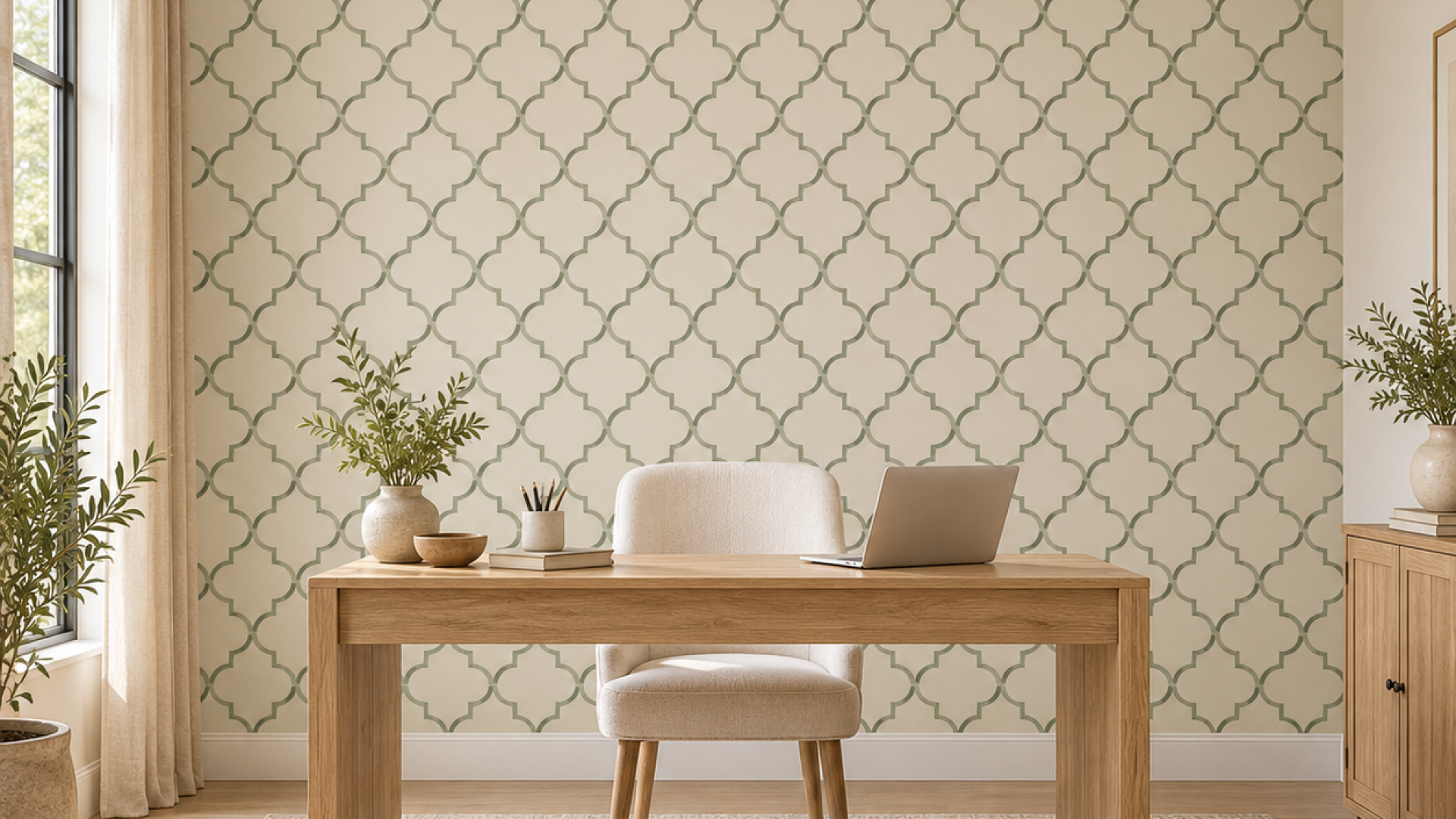
Wafa Noor Islamic wallpaper mural designs offer a thoughtful way to transform ordinary walls into meaningful decorative features. Combining Islamic-inspired geometric patterns, elegant mihrab arches, and carefully balanced colors, these murals can introduce artistic character into living rooms, bedrooms, prayer rooms, and other interior spaces. Whether you prefer a contemporary home or a more traditional setting, an Islamic wallpaper mural can help connect personal style with decorative elements inspired by Islamic art.
Meaningful wall decoration is about more than filling an empty space. The right design can establish a room's visual identity, complement its furnishings, and reflect the atmosphere you want to create. With a coordinated color palette and thoughtful placement, Wafa Noor wallpaper murals can become an integral part of your interior rather than an isolated accent.
From a striking feature wall to a peaceful corner for reflection, the possibilities depend on your room's layout, lighting, and existing decor. Understanding how to choose, position, and maintain your mural will help you create a balanced interior that remains attractive and practical.
Walls provide an opportunity to express personal taste and establish the character of a room. While framed pictures and small accessories can add detail, a wallpaper mural can create a more unified visual statement across an entire wall.
Islamic-inspired designs are particularly suited to this purpose because they can incorporate geometric structure, architectural forms, and decorative repetition. These elements can complement a variety of interior styles without requiring extensive changes to the room.
A blank wall can feel unfinished, especially when it occupies a prominent position in a room. A well-chosen mural gives that surface a defined role within the overall layout.
For example, a mihrab-inspired design can create a focal point in a prayer room, while an Islamic geometric mural can bring structure to a living room or home office. The best choice is one that complements the room's purpose and the surrounding furniture.
Decorative choices often become more satisfying when they reflect the homeowner's interests and preferences. Islamic-inspired wallpaper allows you to incorporate architectural and geometric motifs into your surroundings in a way that feels intentional.
A meaningful interior does not need to be filled with decorative objects. One carefully selected mural, supported by coordinated furnishings and restrained accessories, can create a distinctive atmosphere without overwhelming the space.
The same wallpaper design can produce different results depending on where it is installed. Consider the room's purpose, available wall area, and existing colors before choosing a location.
The living room is often an ideal place for a decorative mural because it is used regularly and may contain a natural focal wall. Installing an Islamic wallpaper mural behind a sofa or on a prominent wall can give the room a more distinctive appearance.
For a balanced result, combine the artwork with neutral upholstery, simple curtains, and furniture in natural finishes. If the mural contains detailed geometric patterns, avoid using too many additional patterns in cushions, rugs, or other large decorative elements.
A cobalt blue and ivory mural can create a refined contrast against light-colored walls and furniture. Repeating one of these colors in a few accessories helps connect the feature wall to the rest of the room.
Bedrooms often benefit from a clear visual focus that does not make the space feel crowded. A wallpaper mural behind the bed can provide that focus while coordinating with the room's existing furnishings.
Choose bedding in neutral shades and use decorative cushions sparingly when the mural has a detailed pattern. Pale wood, cream textiles, and soft lighting can help balance a more dramatic wall design.
A prayer room offers a natural setting for Islamic-inspired wall decoration. A mihrab arch design can serve as a decorative centerpiece while working with a simple layout and practical furnishings.
Consider the position of prayer rugs, storage, shelves, and lighting before choosing the wall. The mural should complement the space without interfering with movement or the room's intended use.
Hallways are often overlooked during decorating, even though a well-placed mural can make them feel more intentional. Select a wall with sufficient space to display the design clearly and avoid areas where doors or furniture obscure important details.
In dining rooms, an Islamic wallpaper mural can complement natural wood furniture and understated lighting. In a home office, geometric designs can add personality behind a desk or in a reading area without requiring numerous decorative accessories.
Choosing a design becomes easier when you understand how its main visual elements influence the room.
A mihrab-inspired arch introduces an architectural outline that can frame the decorative composition. Its shape creates a strong central feature and can make a plain wall feel more structured.
Wafa Noor's printed wallpaper design featuring a mihrab arch and Islamic geometric details in cobalt blue and ivory offers one option for homeowners seeking a distinctive focal point. It can work in a prayer room or as a decorative statement in another interior setting.
Any illustrated shading or simulated architectural depth should be understood as part of the printed artwork, not actual physical relief unless the specific product description confirms a textured finish.
Geometric wallpaper designs use repeated shapes and structured arrangements to create visual rhythm. These patterns can complement contemporary interiors because they work well with clean lines and simple furniture.
They can also coordinate with traditional furnishings when the colors and scale are carefully selected. The key is to avoid competing with the wallpaper through too many unrelated patterns elsewhere in the room.
Cobalt blue adds depth and visual emphasis, while ivory creates balance and keeps the composition from feeling too heavy. This combination can suit a range of decorating approaches, from modern minimalism to more traditional interiors.
Consider pairing the mural with:
Repeating colors selectively helps the wall feel connected to the room without making every item look identical.
A visually appealing design must also fit the available space. Before ordering, consider wall dimensions, architectural features, room lighting, and the placement of furniture.
Accurate measurements are essential for a well-proportioned mural. Measure the full width and height of the wall, and check multiple points if the surface or ceiling is uneven.
Note the location of windows, doors, sockets, switches, and other obstructions. If custom sizing is available for your selected Wafa Noor product, provide the required measurements and confirm the available options before ordering.
For a design centered around a mihrab arch, careful measurement is particularly important because incorrect placement may affect the visual balance of the composition.
Large, detailed murals often need sufficient wall space to display their main features clearly. In a smaller room, consider the furniture layout and how much of the wallpaper will remain visible.
Do not assume that a small room always requires a plain design. Instead, select a pattern and scale that work with the room's proportions and keep surrounding elements relatively simple.
Natural and artificial lighting can change how a mural looks throughout the day. Deep blue details may appear more intense in bright light, while ivory tones may look warmer under some indoor bulbs.
Review the wall at different times of day and consider the color of nearby furniture and flooring. Actual wallpaper colors may vary slightly from online images because of screen settings and lighting conditions.
Different decorative approaches offer different advantages. This comparison can help you decide whether an Islamic wallpaper mural is suitable for your room.
| Decoration option | Main advantage | Best suited for | Planning consideration |
|---|---|---|---|
| Islamic wallpaper mural | Creates a unified wall feature | Living rooms and prayer spaces | Requires accurate measurement |
| Framed Islamic wall art | Flexible and easy to rearrange | Small walls and reading corners | May need several pieces for a larger wall |
| Islamic geometric wallpaper | Adds repeated visual structure | Contemporary interiors | Works best with balanced surrounding patterns |
| Mihrab-inspired mural | Creates an architectural focal point | Prayer rooms and statement walls | Position carefully to preserve symmetry |
| Minimal painted accent wall | Provides simple color contrast | Small rooms and understated interiors | Offers less decorative detail than a mural |
A wallpaper mural may be especially suitable when you want the wall itself to carry the main decorative theme. Framed artwork or a painted accent wall may be more appropriate if you prefer a smaller visual change or frequently rearrange your decor.
A mural should work with the rest of the room rather than compete for attention. Furniture, textiles, lighting, and decorative objects all influence how the finished wall is perceived.
Neutral furniture provides a flexible background for detailed wallpaper. Cream sofas, pale wood tables, simple shelving, and understated bed frames can complement Islamic geometric designs without distracting from them.
For a more traditional room, darker wood may provide an appealing contrast. Aim to coordinate the furniture with existing finishes rather than introducing several unrelated colors and materials.
Textiles can repeat the mural's colors and soften the room's overall appearance. Curtains, rugs, cushions, and bedding in complementary shades can help connect the wallpaper to the rest of the interior.
If the mural contains intricate geometry, use plain or subtly textured textiles. When the wallpaper is more restrained, a patterned cushion or rug may introduce additional detail without overwhelming the space.
Lighting helps establish the atmosphere and influences how wallpaper colors appear. General room lighting provides practical illumination, while suitable accent lighting can draw attention to a feature wall.
Before adding fixtures, check for glare and strong shadows. The goal is to make the mural easy to appreciate while maintaining comfortable lighting for the room's everyday activities.
Correct installation helps the mural look consistent and can reduce avoidable problems. Preparation is especially important when a design contains repeating geometry or a central architectural motif.
The wall should be clean, dry, and smooth before wallpaper is applied. Remove dust and loose material, and address surface imperfections according to the installation requirements.
If the wall has been painted recently, allow the paint to cure fully according to the paint manufacturer's guidance. Installing wallpaper before the paint has cured may affect adhesion or the condition of the finished surface.
Wallpaper materials do not all use the same installation method. Peel-and-stick wallpaper uses an adhesive backing, while non-woven or vinyl wallpaper may require a suitable wallpaper adhesive according to the product instructions.
Use this basic preparation sequence:
For large murals or designs that require precise alignment, professional installation may help achieve a more consistent finish.
Cleaning methods depend on the wallpaper material and finish. Follow the product's care instructions, and avoid unapproved cleaning agents or abrasive tools.
Removal procedures also vary. Peel-and-stick wallpaper generally cannot be reused after removal, so plan the placement carefully before installation. Follow the manufacturer's guidance when removing non-woven or vinyl wallpaper.
Even an attractive wallpaper design can look out of place if it is poorly positioned or surrounded by competing decor. Avoiding the following mistakes can help you achieve a more cohesive result.
Careful planning helps the mural remain the main decorative feature while ensuring that the room stays practical and comfortable.
Meaningful wall decoration should reflect personal taste while complementing the room's practical needs. Islamic-inspired wallpaper offers a way to introduce geometric artistry and architectural motifs without relying on numerous separate decorative items.
Wafa Noor Islamic wallpaper mural designs provide an option for homeowners who want to incorporate these visual influences into living rooms, bedrooms, prayer rooms, dining areas, and offices. A mihrab arch with cobalt blue and ivory details can create a recognizable focal point, while geometric patterns can bring structure to contemporary interiors.
Selected products may offer custom sizing, helping homeowners plan around their individual wall dimensions. Checking the exact product specifications before ordering is important to ensure that the chosen design and material suit the intended space.
Meaningful decoration often comes from the relationship between a design and the space around it. A mural that complements the room's purpose, furniture, lighting, and color palette is more likely to feel intentional than one chosen without considering the overall layout.
Start with the wall you want to transform, then build the rest of the design around it. By balancing the mural with simple furnishings and carefully selected accessories, you can create an interior that feels personal, visually harmonious, and practical for everyday use.
An Islamic wallpaper mural is a decorative wall covering featuring Islamic-inspired designs, such as geometric patterns or architectural motifs. It can be used to create a focal point in a living room, bedroom, prayer room, office, or other interior space.
You can consider using a mural in a living room, bedroom, prayer room, dining area, hallway, or home office. Choose the location based on the wall dimensions, room function, lighting, and furniture arrangement.
A mural can combine decorative beauty with visual motifs that reflect the homeowner's taste and appreciation for Islamic-inspired art. Its colors and composition can also help establish the character of the room.
Custom sizing may be available for selected products. Measure the full wall width and height carefully, then confirm the available dimensions and ordering requirements for the design you choose.
White, cream, beige, pale wood, and soft gray can complement cobalt blue and ivory. Repeating one or two colors in cushions, curtains, or other accessories can create a coordinated interior.
Not necessarily. Printed shading can create the appearance of depth, but this is part of the artwork unless the product specifically describes a physical textured finish.
The wall should be clean, dry, and smooth before wallpaper is applied. If it has been painted recently, allow the paint to cure fully and follow the preparation requirements for your selected wallpaper material.
No. Peel-and-stick wallpaper uses an adhesive backing, while non-woven or vinyl wallpaper may require a suitable separate adhesive. Always follow the instructions for the exact product.
Follow the cleaning guidance for the selected material and avoid abrasive tools or unapproved cleaning products. Correct installation and careful maintenance can help preserve the wallpaper's appearance.
Generally, no. Peel-and-stick wallpaper cannot be reused after removal, so confirm the design's position before installation and follow the manufacturer's removal instructions.
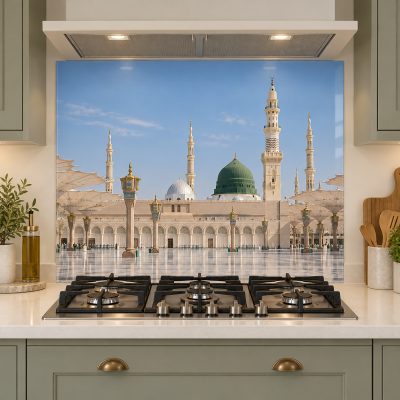
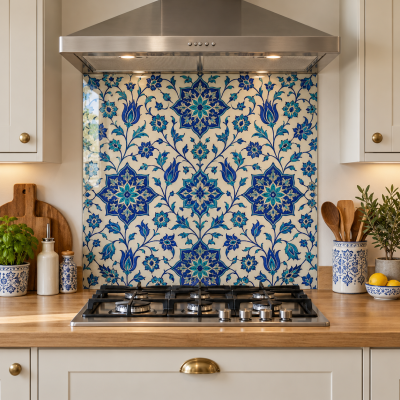
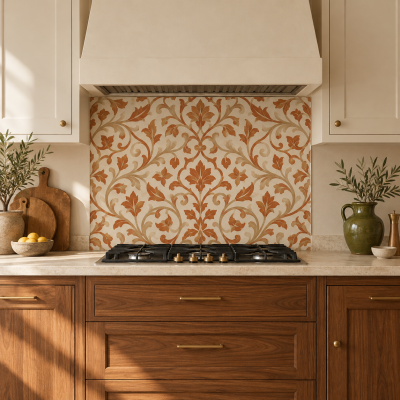
Discover more stories and style tips to keep your inspiration flowing.
09 octobre
Explore Wafa Noor Islamic art mural designs for beautiful accent walls, with elegant mihrab arches, geometric patterns, and practical styling tips.
09 octobre
Discover Wafa Noor Islamic art mural ideas for inspiring Islamic interiors with elegant geometric patterns, harmonious colors, and meaningful wall decor.
09 octobre
Discover Wafa Noor Islamic art mural ideas for sophisticated homes, featuring elegant patterns, refined colors, and timeless interior styling tips.
09 octobre
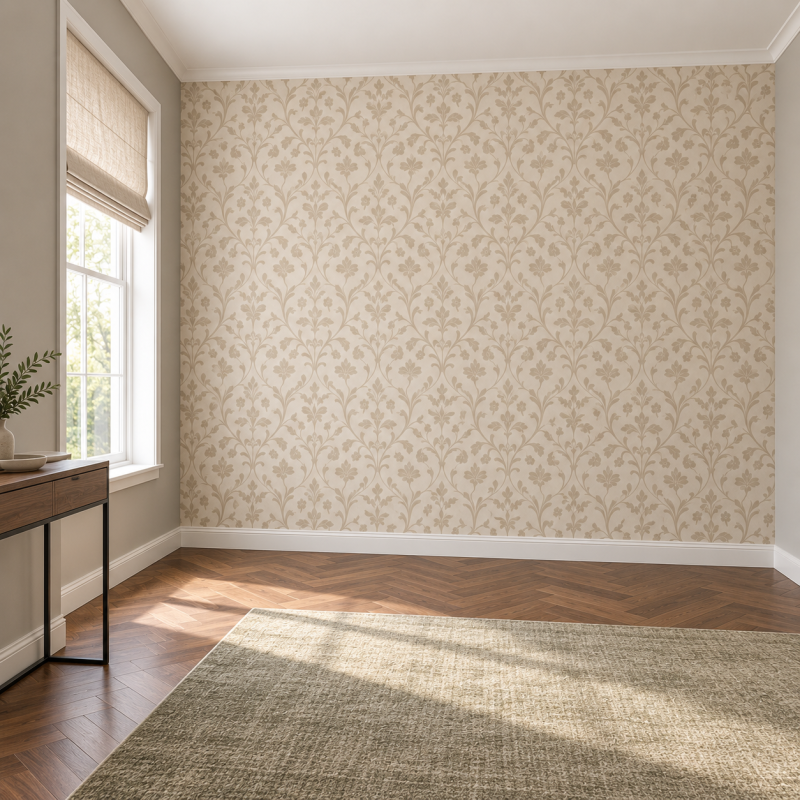
Explore Wafa Noor Islamic art mural ideas for artistic wall decoration, elegant interiors, and meaningful Islamic-inspired home design.
09 octobre
Discover Wafa Noor Islamic art murals for elegant feature walls, with refined geometric patterns, harmonious colors, and timeless interior styling ideas.
09 octobre
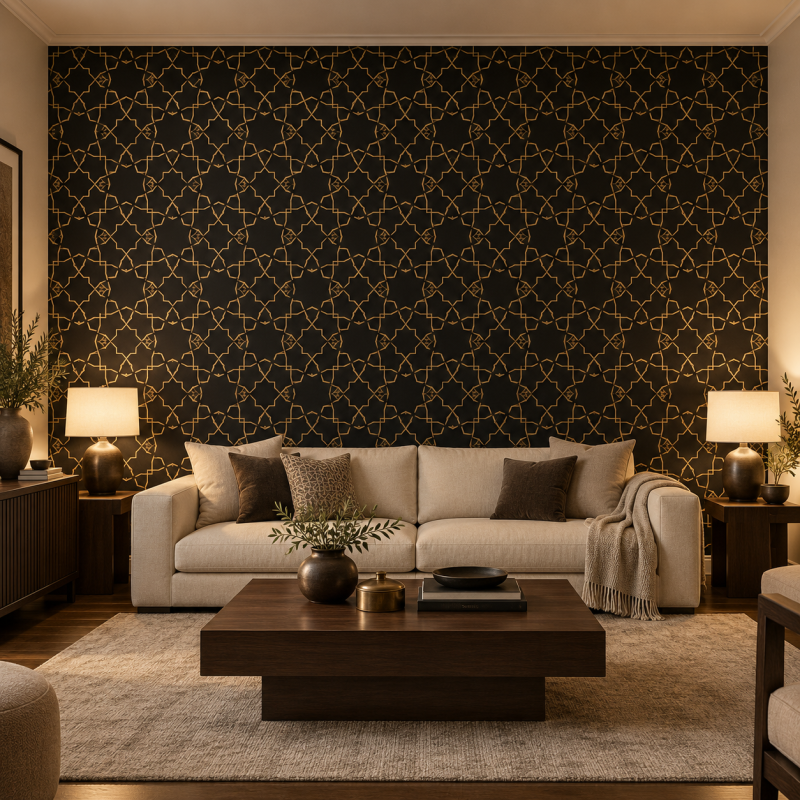
Explore Wafa Noor Islamic art mural ideas for contemporary living spaces, with elegant patterns, modern styling tips, and harmonious home decor.
Need Help?
Aydınlıkevler Mahallesi, 2006 Sokak, Gıyâsettin Özdemir Apartmanı No: 10/B, Yenişehir / Mersin
[email protected] +90 532 508 69 98Buy $100.00 more to get free shipping
Your cart is currently empty. Let us assist you in finding the right product.
Préférences de cookies