Your cart is empty
Your cart is currently empty. Let us assist you in finding the right product.

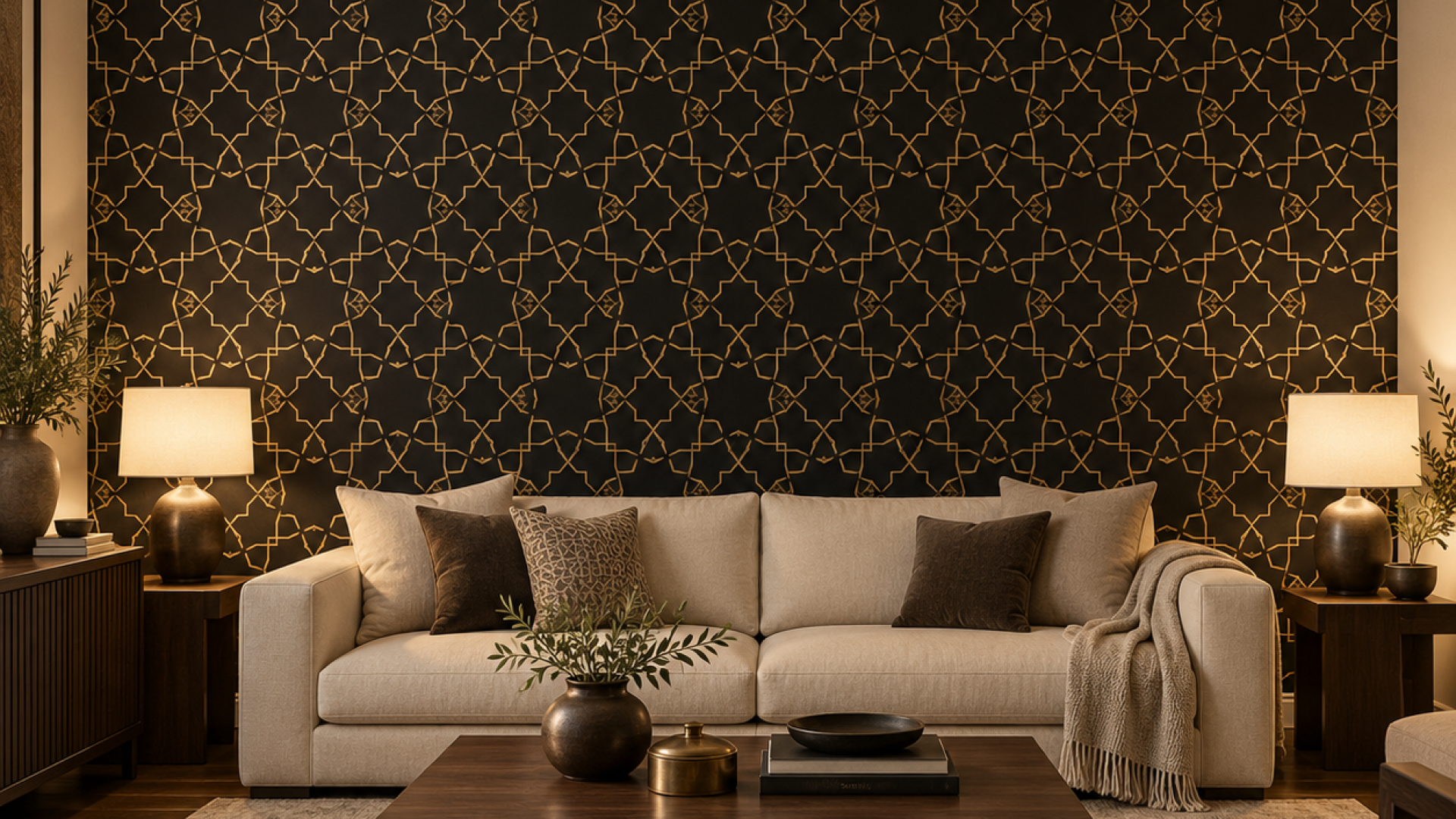
Creating a peaceful home begins with thoughtful design choices that make every room feel balanced, welcoming, and meaningful. Wafa Noor Islamic mosaic wall ideas offer an elegant way to introduce Islamic-inspired patterns, harmonious colors, and artistic details into modern interiors. Whether you want to refresh a living room, create a calming prayer area, or add character to a bedroom, Islamic mosaic-inspired wall decor can help establish a serene atmosphere.
With Wafa Noor, homeowners can explore Islamic wall designs that combine traditional visual influences with contemporary decorating preferences. A carefully selected mural featuring a mihrab arch and geometric patterns in cobalt blue and ivory can become a distinctive focal point while supporting a calm and coordinated interior. The key is to balance decorative detail with comfortable furniture, soft lighting, and uncluttered surroundings.
Islamic decorative art often features symmetry, repeating geometric forms, and carefully arranged patterns. These visual qualities can help create a sense of order, making them appealing for interiors designed around relaxation and reflection.
Geometric motifs can connect different elements in a room through repeated shapes and balanced arrangements. When the wall design becomes the main decorative feature, simpler furnishings allow the pattern to stand out without making the space feel crowded.
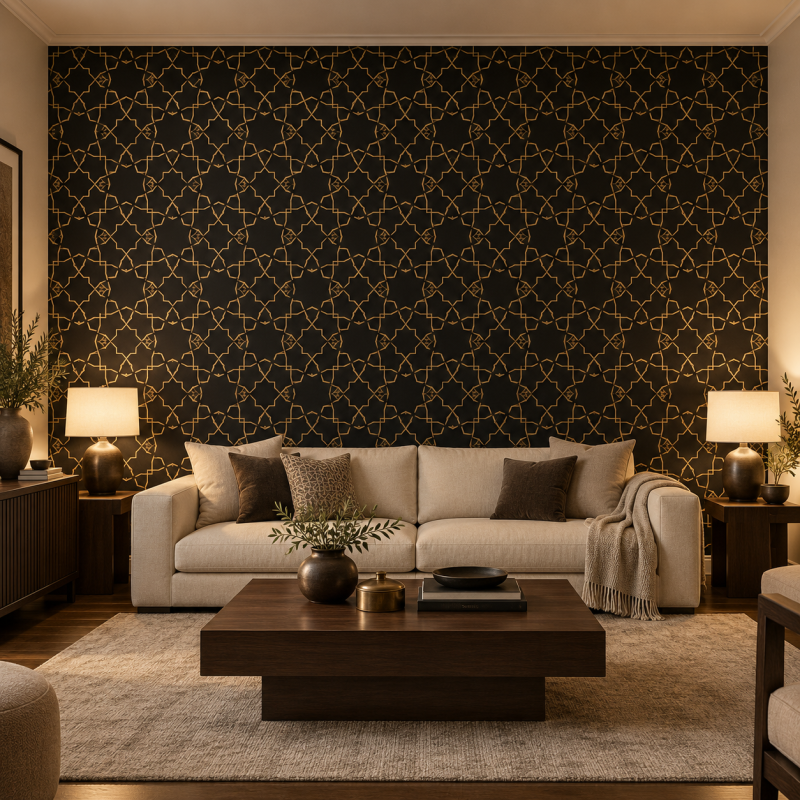
For example, a patterned feature wall can complement a neutral sofa, a natural wood coffee table, and understated curtains. Repeating one or two colors from the wall in cushions or accessories helps the room feel cohesive.
Islamic-inspired wall decor can express cultural appreciation and personal taste while giving a room a distinctive identity. A mihrab-inspired arch can provide a recognizable architectural reference, while geometric motifs introduce decorative depth through their printed shapes and colors.
When choosing a design, consider the atmosphere you want to create. A balanced pattern with a limited color palette may be especially suitable for rooms intended for prayer, reading, or quiet family time.
Color affects how a room is perceived, so the palette of an Islamic mosaic wall should work with the existing furniture and natural light. Cobalt blue and ivory are a particularly useful combination for interiors that need both contrast and visual balance.
Cobalt blue provides a rich focal color, while ivory introduces softness and helps balance the stronger blue tones. Together, they can create an elegant look that works with modern, traditional, and transitional interiors.
Consider pairing this color combination with:
These supporting elements allow the wall to remain visually prominent without competing with every other object in the room.
A room with large windows may make blue and ivory patterns appear brighter throughout the day. In a room with limited daylight, the same colors can feel deeper, particularly under warm artificial lighting.
Before finalizing the surrounding decor, observe the room in the morning, afternoon, and evening. This simple step helps you choose suitable lighting, textiles, and accent colors.
An Islamic-inspired feature wall can work in several areas of the home. The most successful placement depends on the room's function, available wall space, and existing decorative elements.
The living room is an excellent place for a statement wall because it is often a shared gathering space. A Wafa Noor Islamic mosaic-inspired mural can create a visual anchor behind a sofa or on a prominent wall that is visible when entering the room.
Keep the furniture arrangement relatively simple. A neutral sofa, a modest selection of cushions, and a few coordinated accessories can support the wall design without overwhelming the space.
Bedrooms benefit from visual consistency and a restrained decorative approach. An Islamic geometric wall design can introduce artistic character behind the bed or on another wall that does not compete with wardrobes, mirrors, and windows.
Use soft bedding, natural textures, and minimal bedside accessories to preserve a restful feeling. If the wall pattern is detailed, choose solid-color bedding rather than several competing prints.
A dedicated prayer space should feel organized, comfortable, and respectful of its purpose. A mihrab-inspired mural can help define the area visually, especially when paired with a clean prayer rug, discreet storage, and gentle lighting.
Leave sufficient open floor space for prayer and movement. Avoid placing distracting decorative objects directly in front of the principal wall or allowing furniture to obstruct the intended arrangement.
Hallways can benefit from a carefully chosen feature wall that adds personality to an otherwise transitional area. In a home office, an Islamic geometric design can establish a distinctive background while simple furniture keeps the workspace practical.
For narrow hallways or compact offices, consider how the pattern will appear from the main viewing position. A design that fits the available wall dimensions will usually look more intentional than one that is awkwardly cropped.
A beautiful wall design works best when it feels connected to the rest of the room. Instead of decorating every surface, identify the wall as a central feature and let the other elements support it.
Large furniture pieces should complement the wall rather than obscure its most important details. Position sofas, beds, desks, or console tables so that the main design remains visible.
If the wall includes an arch motif, avoid placing tall objects directly over its most recognizable features. Maintaining clear sightlines helps preserve the intended composition.
Texture can make a peaceful room feel inviting. Linen curtains, woven rugs, smooth ceramic accessories, and natural wood finishes provide contrast against a printed geometric wall design.
Choose a few textures rather than combining too many decorative materials. The goal is to create a layered interior that remains comfortable and visually organized.
Lighting changes the way a wall mural appears throughout the day. Ceiling lights provide general illumination, while floor lamps or wall lighting can create a softer atmosphere for evening use.
Use lighting to improve comfort and visibility rather than to compete with the artwork. If a glossy surface is involved elsewhere in the room, check for reflections that could distract from the wall.
Before choosing a design, consider the wall's dimensions, the room's purpose, and the material best suited to your installation preferences. A well-planned selection process can prevent unnecessary adjustments and help the finished room look cohesive.
Accurate measurements are essential when ordering a wall mural, particularly when custom sizes are available. Measure the full wall width and height, and check for windows, doors, alcoves, sloped ceilings, or other obstacles.
Record measurements in a consistent unit and confirm the ordering requirements before purchasing. If the wall has an unusual shape, determine how the design should be positioned and whether separate measurements are needed for different sections.
Some Islamic mosaic-inspired murals use shading, architectural outlines, and tonal contrasts to create the appearance of depth. These visual effects are part of the printed image; they should not be assumed to represent actual raised or carved surfaces unless the product description explicitly confirms a physical relief.
This distinction matters when planning the room's overall look. A printed mural can provide an architectural impression while maintaining a flat wall surface.
Different wallpaper materials can affect installation, maintenance, and removal. Always review the product's specific material description and installation instructions before deciding which option is best for your home.
| Consideration | Peel-and-stick wallpaper | Non-woven or vinyl wallpaper |
|---|---|---|
| Installation approach | Uses an adhesive backing | Generally requires suitable wallpaper adhesive |
| Preparation | Needs a clean, dry, smooth surface | Needs a clean, dry, smooth surface |
| Adhesive requirements | Usually no separate paste | Follow the product's adhesive instructions |
| Removal and reuse | Cannot be reused after removal | Depends on the material and removal method |
| Best planning step | Check alignment and placement before applying | Confirm adhesive suitability and application instructions |
The exact properties depend on the selected product. Check the relevant Wafa Noor product details rather than assuming all wallpaper types perform identically.
Good preparation supports a cleaner finish and helps reduce avoidable installation problems.
For complex surfaces or large murals, professional installation may be worthwhile. A professional can also help determine whether the wall requires additional preparation.
Even an attractive Islamic mosaic wall design can look less effective when the surrounding space or installation is poorly planned.
Combining a detailed feature wall with heavily patterned curtains, upholstery, and rugs can make the room feel visually busy. Let the main wall carry most of the decorative detail, then use simpler patterns or solid colors elsewhere.
Ordering without checking the full dimensions may lead to unexpected cropping or a poor fit around doors and windows. Measure carefully and verify the custom-size requirements before completing your order.
Dusty, damp, rough, or inadequately prepared walls can interfere with a successful application. Prepare the surface according to the instructions for the wallpaper type you select.
Cobalt blue and ivory may appear slightly different depending on screen settings, room lighting, and surrounding finishes. Consider the product information carefully and plan complementary furnishings with some flexibility.
Shadows and architectural effects in a printed mural can create an illusion of depth. Do not assume the design is physically raised unless that feature is specifically stated in the product details.
Different materials may require different cleaning and removal methods. Avoid using unapproved cleaning products, and remember that peel-and-stick wallpaper cannot be reused after removal.
A peaceful interior is not simply a room with few objects. It is a space where colors, patterns, lighting, and furniture work together to support the way people use it.
Wafa Noor Islamic mosaic wall ideas can serve as a starting point for a coordinated decorating plan. A cobalt blue and ivory mural with a mihrab arch or geometric motifs can be paired with restrained furnishings, natural materials, and thoughtfully positioned lighting.
Repeat selected colors in small details, such as cushions, ceramic pieces, artwork, or a rug border. This creates a connection between the wall and the rest of the room without requiring every item to match exactly.
A beautiful room should still be practical. Make sure seating remains comfortable, walkways are clear, storage is convenient, and a prayer area has the space required for its intended use.
Choose accessories that reflect your household's preferences and the room's purpose. The result should feel considered and welcoming rather than like a display in which every element competes for attention.
An Islamic mosaic-inspired wall design uses geometric motifs, repeating patterns, and other visual elements associated with Islamic decorative traditions. Depending on the product, these details may appear in a printed wallpaper mural rather than in individual physical tiles.
It can be suitable for living rooms, bedrooms, prayer rooms, offices, dining rooms, and hallways. Choose the wall placement according to the room's size, function, lighting, and existing decor.
Cobalt blue and ivory can create an elegant contrast that works with neutral furniture and natural wood finishes. Cream, beige, soft gray, and carefully selected blue accents can help connect the mural to the surrounding interior.
Custom sizes are available for suitable designs. Measure the full wall width and height carefully, then verify the specific product's sizing and ordering requirements before purchasing.
The surface should be clean, dry, and smooth, with loose material and residue addressed beforehand. Newly painted walls should be allowed to cure fully, and all preparation should follow the selected wallpaper's installation instructions.
No. Peel-and-stick wallpaper cannot be reused after it has been removed. Plan the placement carefully before application and follow the manufacturer's instructions for installation and removal.
Not necessarily. Shading, arch outlines, and geometric details may create the appearance of architectural depth in the printed image without producing actual physical relief. Check the product description if a raised or textured finish is important to you.
Not always. Screen settings, ambient lighting, and the colors surrounding the wall can influence how the design appears. Plan your room palette with these possible differences in mind.
Keep the surrounding furniture and textiles relatively simple, maintain clear walking areas, and use coordinated colors rather than many competing patterns. Soft lighting and carefully chosen accessories can further support a balanced atmosphere.
Follow the cleaning instructions for the exact wallpaper material you purchased. Avoid assuming that every surface can tolerate the same moisture or cleaning products, and consult the product guidance before attempting more intensive cleaning.
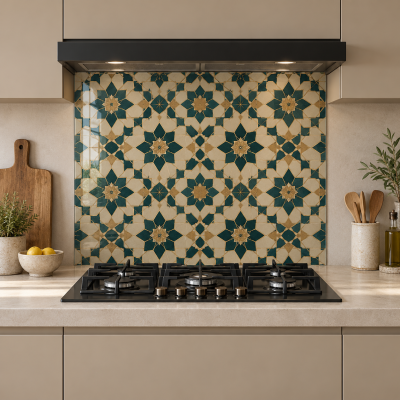
Discover more stories and style tips to keep your inspiration flowing.
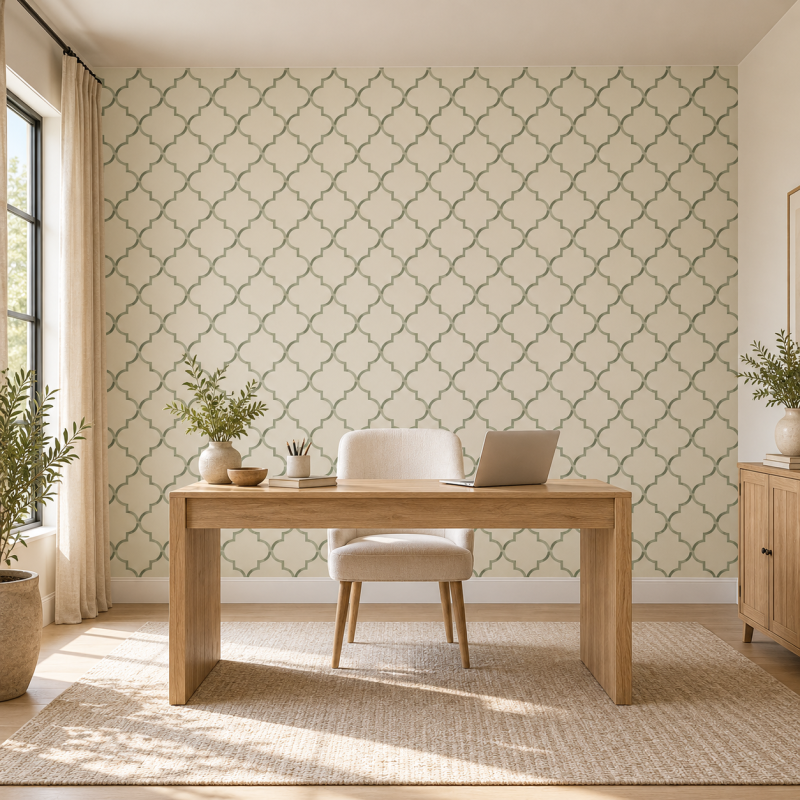
09 octobre
Explore Wafa Noor Islamic art mural designs for beautiful accent walls, with elegant mihrab arches, geometric patterns, and practical styling tips.
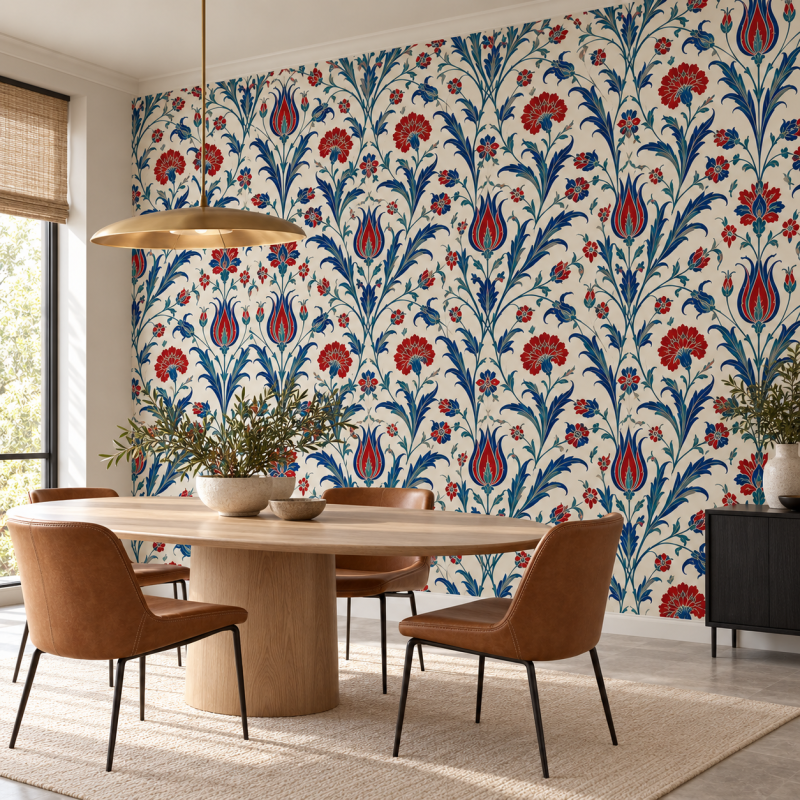
09 octobre
Discover Wafa Noor Islamic art mural ideas for inspiring Islamic interiors with elegant geometric patterns, harmonious colors, and meaningful wall decor.
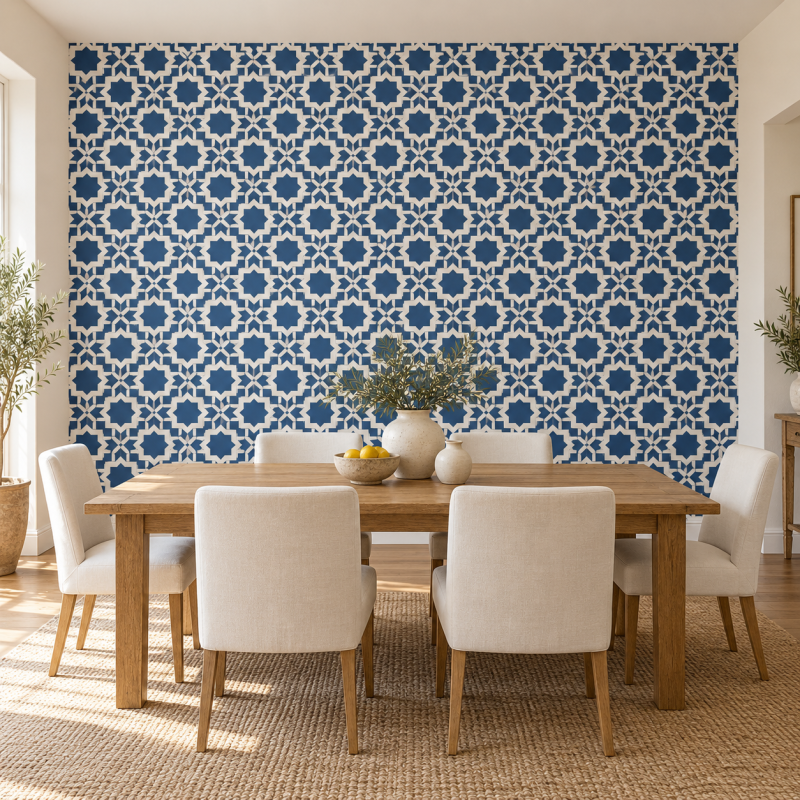
09 octobre
Discover Wafa Noor Islamic art mural ideas for sophisticated homes, featuring elegant patterns, refined colors, and timeless interior styling tips.
09 octobre
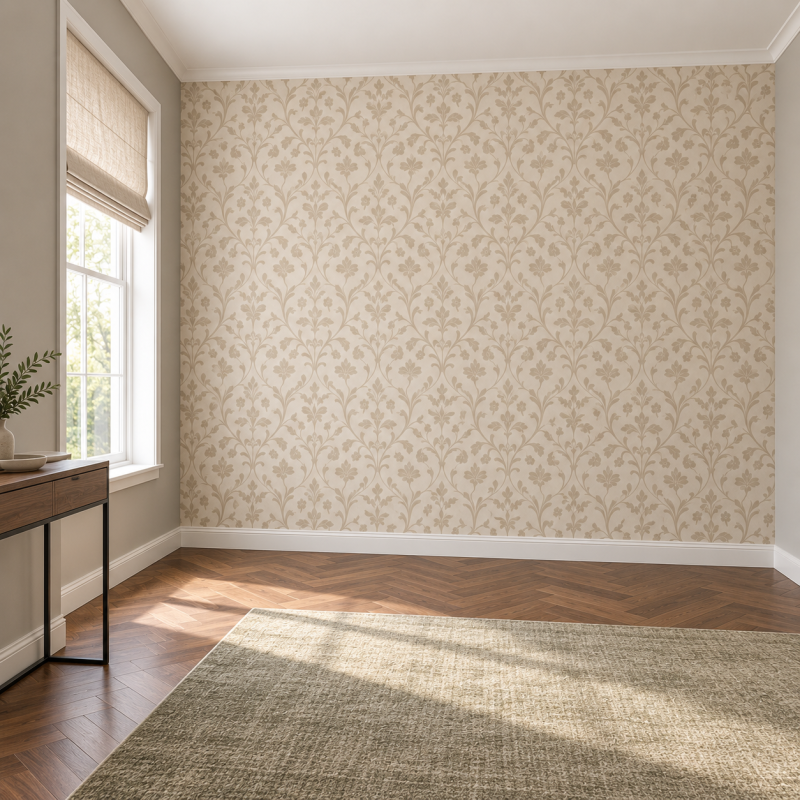
Explore Wafa Noor Islamic art mural ideas for artistic wall decoration, elegant interiors, and meaningful Islamic-inspired home design.
09 octobre
Discover Wafa Noor Islamic art murals for elegant feature walls, with refined geometric patterns, harmonious colors, and timeless interior styling ideas.
09 octobre
Explore Wafa Noor Islamic art mural ideas for contemporary living spaces, with elegant patterns, modern styling tips, and harmonious home decor.
Need Help?
Aydınlıkevler Mahallesi, 2006 Sokak, Gıyâsettin Özdemir Apartmanı No: 10/B, Yenişehir / Mersin
[email protected] +90 532 508 69 98Buy $100.00 more to get free shipping
Your cart is currently empty. Let us assist you in finding the right product.
Préférences de cookies