Your cart is empty
Your cart is currently empty. Let us assist you in finding the right product.

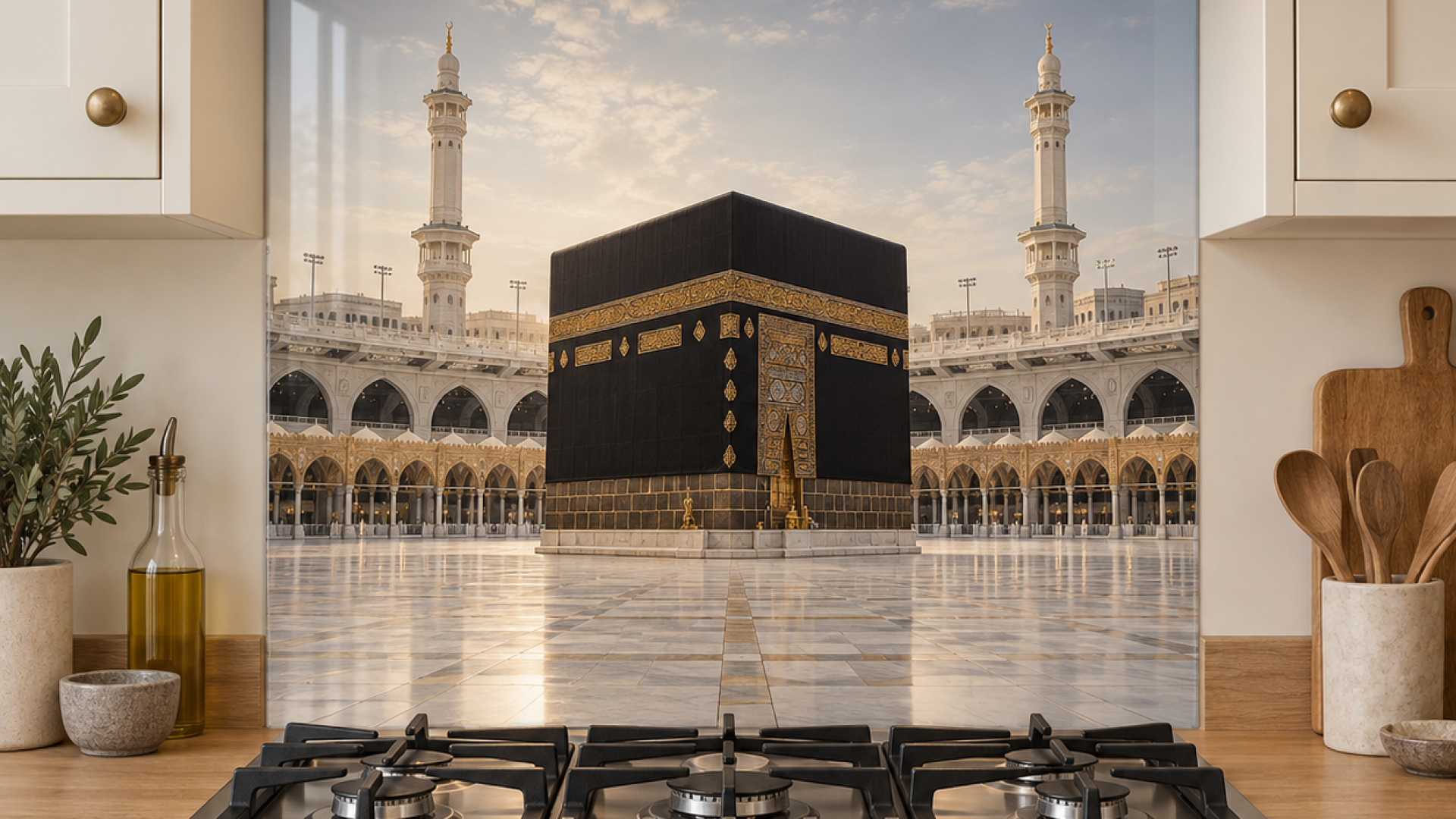
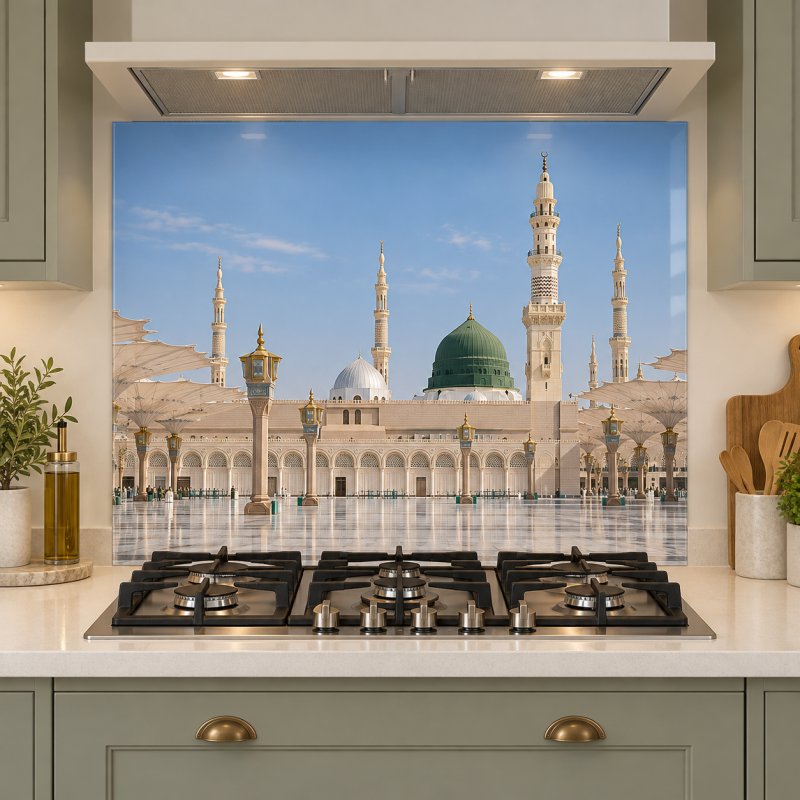
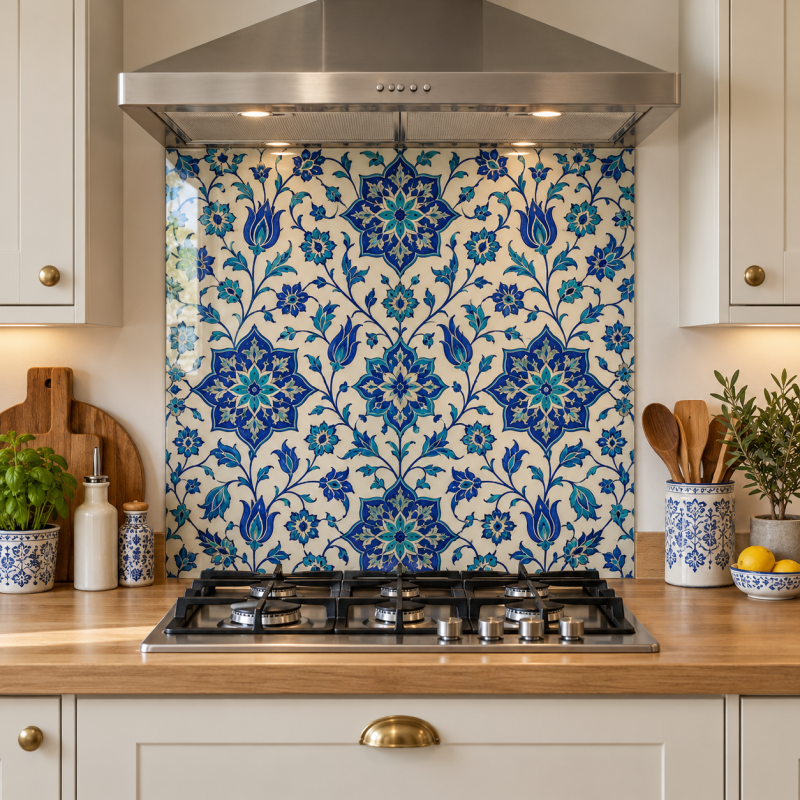
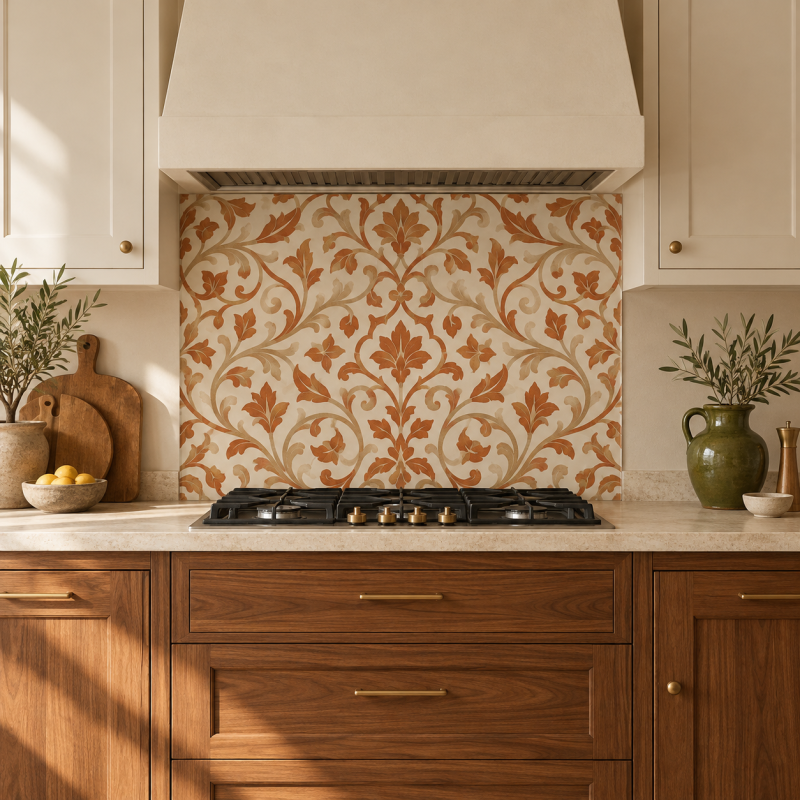
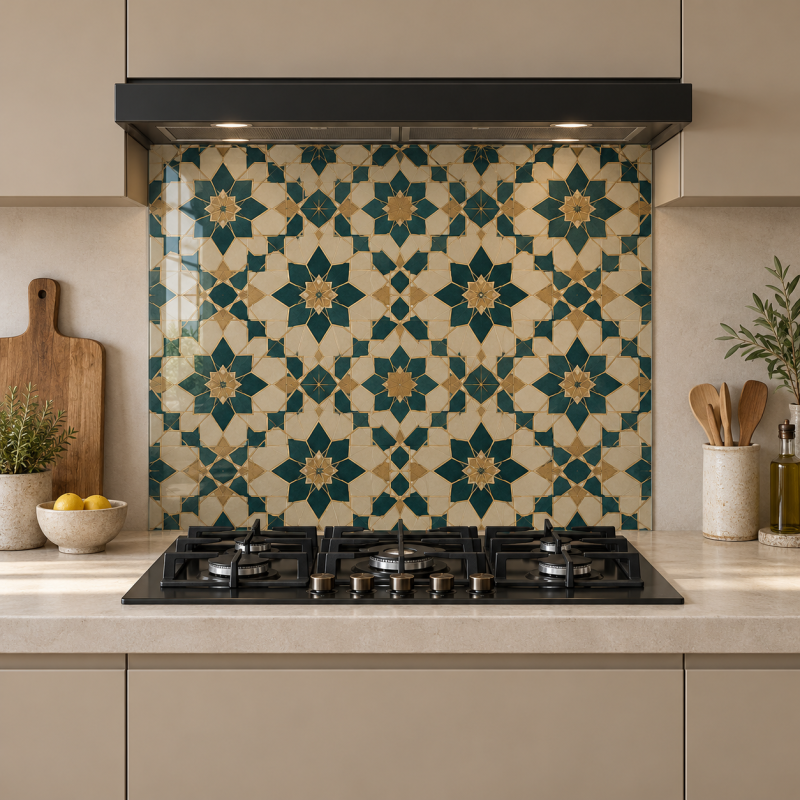
Choosing the right kitchen wall finish can make a significant difference to the appearance, maintenance, and functionality of your cooking space. When comparing splashback panels vs tiles, homeowners often consider factors such as design flexibility, cleaning requirements, installation, durability, and overall cost. Both options can protect walls from everyday cooking splashes, but each offers a different combination of practical benefits and decorative possibilities.
Wafanoor explores how splashback panels and traditional tiles compare so you can make an informed decision for your kitchen. Whether you are planning a complete renovation or updating the area behind your cooker or sink, understanding the differences between these finishes can help you create a kitchen that looks attractive and works well for your daily routine.
Splashback panels are sheets of protective material installed on kitchen walls, usually behind a hob, cooker, sink, or worktop. Depending on the product, they may be made from glass, acrylic, stainless steel, aluminium, or other suitable materials. Some designs feature plain colors, while others offer decorative finishes that complement different interior styles.
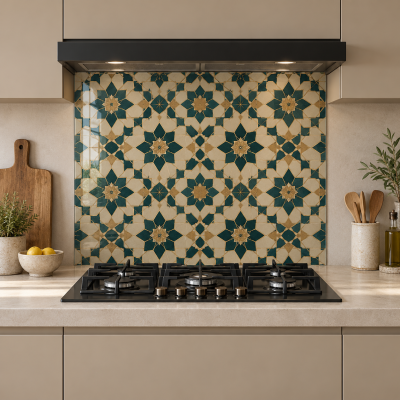
One of the main attractions of kitchen splashback panels is their relatively continuous surface. Instead of having multiple small tiles separated by grout lines, many panel designs create a more streamlined appearance. This can work particularly well in contemporary kitchens, minimalist interiors, and spaces where a clean visual finish is important.
Splashback panels offer several advantages for homeowners who want a practical and modern kitchen finish.
However, not every panel is suitable for every installation. Material specifications, heat resistance, wall conditions, and manufacturer instructions should always be checked before choosing a product.
Kitchen tiles are individual pieces of ceramic, porcelain, or another suitable material installed across a wall. They are commonly used behind cookers, around sinks, and along worktops because they offer a wide variety of colors, patterns, shapes, and finishes.
Tiles can create anything from a traditional country kitchen to a contemporary designer space. Subway tiles, patterned ceramics, mosaic designs, and large-format porcelain tiles each offer a distinct visual effect.
Tiles remain popular because they provide considerable design flexibility and can perform well in demanding kitchen environments when correctly selected and installed.
The main consideration is the grout between tiles. Grout lines can collect grease, food residue, and moisture, so regular cleaning and appropriate maintenance are important.
Both options can protect kitchen walls, but their performance and appearance depend on the specific material, installation method, and quality of the product.
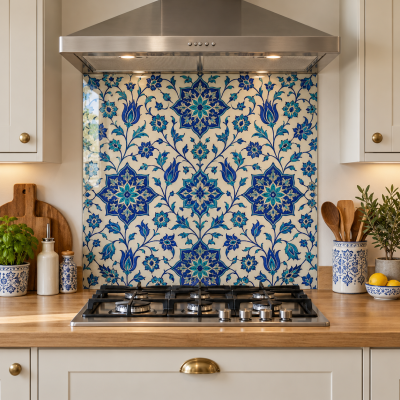
Splashback panels are often chosen for their smooth, coordinated appearance. Glass panels can reflect light and help a compact kitchen feel brighter, while stainless steel can introduce a professional, industrial-inspired finish. Colored panels can also complement cabinetry, countertops, and other kitchen details.
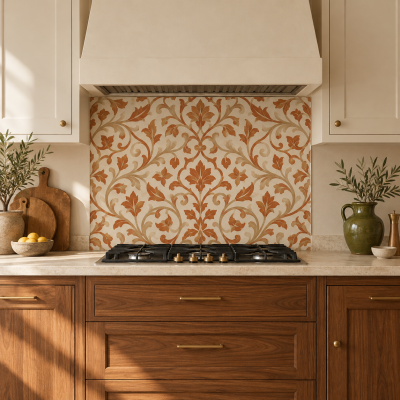
Tiles provide a more segmented, textured visual effect. Their grout lines form part of the overall design, making them useful for creating decorative patterns and traditional finishes. A herringbone layout, contrasting grout, or colorful mosaic can become a focal point in the room.
Which is better? Panels are often a strong choice for streamlined contemporary interiors, while tiles offer more opportunities for intricate patterns and classic decorative styles.
Kitchen splashbacks are exposed to oil, steam, sauces, water, and other everyday messes. Choosing a finish that is easy to maintain can make cooking and cleaning more convenient.
Smooth glass and suitable acrylic panels can usually be wiped with a soft cloth and a cleaner approved for the material. Stainless steel may also be straightforward to clean, although fingerprints and water marks can be visible on some finishes.
Tiles can be equally practical, but grout lines may require extra attention. Light-colored grout can show stains more readily, especially behind a frequently used cooker. Sealing may be necessary for certain grout types, and the exact maintenance requirements depend on the installation.
Which is better? Many homeowners prefer smooth panels for routine cleaning because they have fewer joints. However, the specific material and the quality of the installation matter more than the category alone.
Splashback panels may be quicker to install than a complete tiled wall because large sections can cover substantial areas. Some products are designed for straightforward installation, while others require professional cutting, drilling, adhesive application, or specialist fitting.
Tiles usually involve preparing the wall, applying tile adhesive, positioning individual tiles, allowing the adhesive to cure, and grouting the joints. Complex patterns and numerous cuts around sockets or corners can increase installation time.
Neither option is automatically suitable for every wall. Uneven surfaces, dampness, existing finishes, and the location of electrical outlets can affect the work required.
Which is better? Panels may offer a faster installation for suitable walls, while tiles can be more adaptable for intricate layouts. Always follow the manufacturer's instructions and use a qualified installer when the material or installation requires specialist handling.
Durability depends on the material rather than whether a product is simply described as a panel or tile.
Porcelain and suitable ceramic tiles can provide durable surfaces for everyday kitchen use. Glass panels can also be durable when specifically manufactured for the intended application. Stainless steel is another option for kitchens where a functional, professional appearance is desired.
Acrylic panels require particular care when choosing a location near a cooker because not all acrylic products can withstand high temperatures. Some materials need a specified clearance from gas burners or other heat sources.
Before buying, confirm that the selected splashback is approved for installation behind your particular hob or cooker. Check heat limitations, fixing requirements, and any restrictions relating to open flames.
Which is better? Properly specified tiles and panels can both be durable. The best choice is the product that meets the temperature, moisture, and maintenance requirements of its intended location.
The total cost of a splashback project includes more than the price of the material. You should also consider preparation, cutting, installation, finishing, and future maintenance.
Some splashback panels offer good value because fewer pieces and joints may reduce installation time. However, premium glass, custom sizing, specialist finishes, and complicated cutouts can increase the total price.
Tiles are available across a broad price range. Affordable ceramic tiles can suit budget-conscious renovations, while handmade, natural stone, or designer tiles may require a larger investment. Labor costs can also rise with intricate patterns or extensive grouting.
Which is better? Neither option is always cheaper. Compare the full installed cost of specific products rather than relying on material prices alone.
Different materials offer different benefits. Consider how each option fits your kitchen layout, cleaning habits, and cooking equipment.
Glass splashbacks are popular in contemporary kitchens because their reflective surfaces can help distribute light. Plain colors work well with minimalist cabinetry, while decorative glass can create a distinctive feature behind a worktop.
Choose glass specifically designed for kitchen splashback use. Its suitability for heat, the required thickness, and installation method should be confirmed before purchase.
Acrylic panels can offer a lightweight alternative to glass and are available in a variety of colors. They may be suitable for selected areas around worktops and sinks, subject to the manufacturer's specifications.
Heat resistance is a key limitation to check. Do not assume an acrylic panel can be installed directly behind a gas hob or another high-heat appliance without explicit approval.
Stainless steel offers a clean, professional look and is frequently associated with commercial-style kitchens. It can coordinate with stainless steel appliances, metallic handles, and contemporary fixtures.
Fingerprints and scratches may be more noticeable on certain finishes, so consider the surface texture and cleaning instructions before making a decision.
Ceramic tiles offer a wide range of decorative options, while porcelain tiles are generally denser and may have lower water absorption than standard ceramic tiles. Actual performance varies by product.
Both can work well as kitchen wall finishes when installed with suitable adhesive and grout. Pay attention to grout maintenance, particularly in areas exposed to frequent grease and moisture.
The best splashback depends on the look you want to achieve and how you use your kitchen.
Large glass panels or other smooth splashback panels can complement handleless cabinets, simple countertops, and uncluttered layouts. Neutral colors create a subtle finish, while a contrasting panel can introduce a bold accent.
Large-format tiles can also achieve a contemporary appearance by reducing the number of visible grout lines.
Subway tiles, handmade-look ceramics, and classic patterns can complement shaker cabinets, timber details, and traditional fixtures. Their individual shapes contribute texture and character.
A plain panel can also work in a traditional kitchen if you prefer a simpler backdrop that allows other materials to stand out.
Reflective glass panels and pale-colored finishes can help a small kitchen feel lighter. Keeping the splashback color coordinated with the worktop and cabinets can also create a more continuous visual effect.
Light-colored tiles offer a similar benefit. Consider larger tiles or a simple layout if you want to avoid an overly busy appearance.
If cooking happens frequently, prioritize easy cleaning, appropriate heat resistance, and a surface that suits your maintenance routine. Smooth panels may reduce the effort needed to clean joints, while durable tiles can provide a practical finish when their grout is maintained properly.
A well-chosen splashback should suit the kitchen's appearance as well as its practical requirements. Avoid these common mistakes when comparing panels and tiles.
Taking time to assess these details can help you avoid unnecessary expenses and choose a finish that remains attractive over time.
Before deciding between splashback panels and tiles, work through a few practical considerations.
Wafanoor recommends evaluating the complete kitchen design rather than choosing a splashback in isolation. A finish that coordinates with the rest of the room can create a more balanced and intentional result.
When comparing splashback panels vs tiles, there is no single winner for every kitchen. Panels can be appealing for their smooth appearance, reduced number of joints, and convenient cleaning. Tiles stand out for their variety of patterns, broad range of price points, and the ability to replace individual pieces if necessary.
For a modern kitchen with a streamlined design, glass or another suitable splashback panel may be the preferred option. For a traditional interior or a decorative feature wall, ceramic and porcelain tiles offer extensive creative possibilities.
Ultimately, the right choice depends on your budget, design preferences, cooking equipment, and willingness to maintain the surface. By checking material specifications and installation requirements carefully, you can select a splashback that combines style and everyday practicality.
Explore kitchen design ideas with Wafanoor and choose a splashback finish that complements your space, protects your walls, and supports the way you use your kitchen every day.
Discover more stories and style tips to keep your inspiration flowing.
Need Help?
Aydınlıkevler Mahallesi, 2006 Sokak, Gıyâsettin Özdemir Apartmanı No: 10/B, Yenişehir / Mersin
[email protected] +90 532 508 69 98Buy $100.00 more to get free shipping
Your cart is currently empty. Let us assist you in finding the right product.
تفضيلات ملفات تعريف الارتباط