Your cart is empty
Your cart is currently empty. Let us assist you in finding the right product.

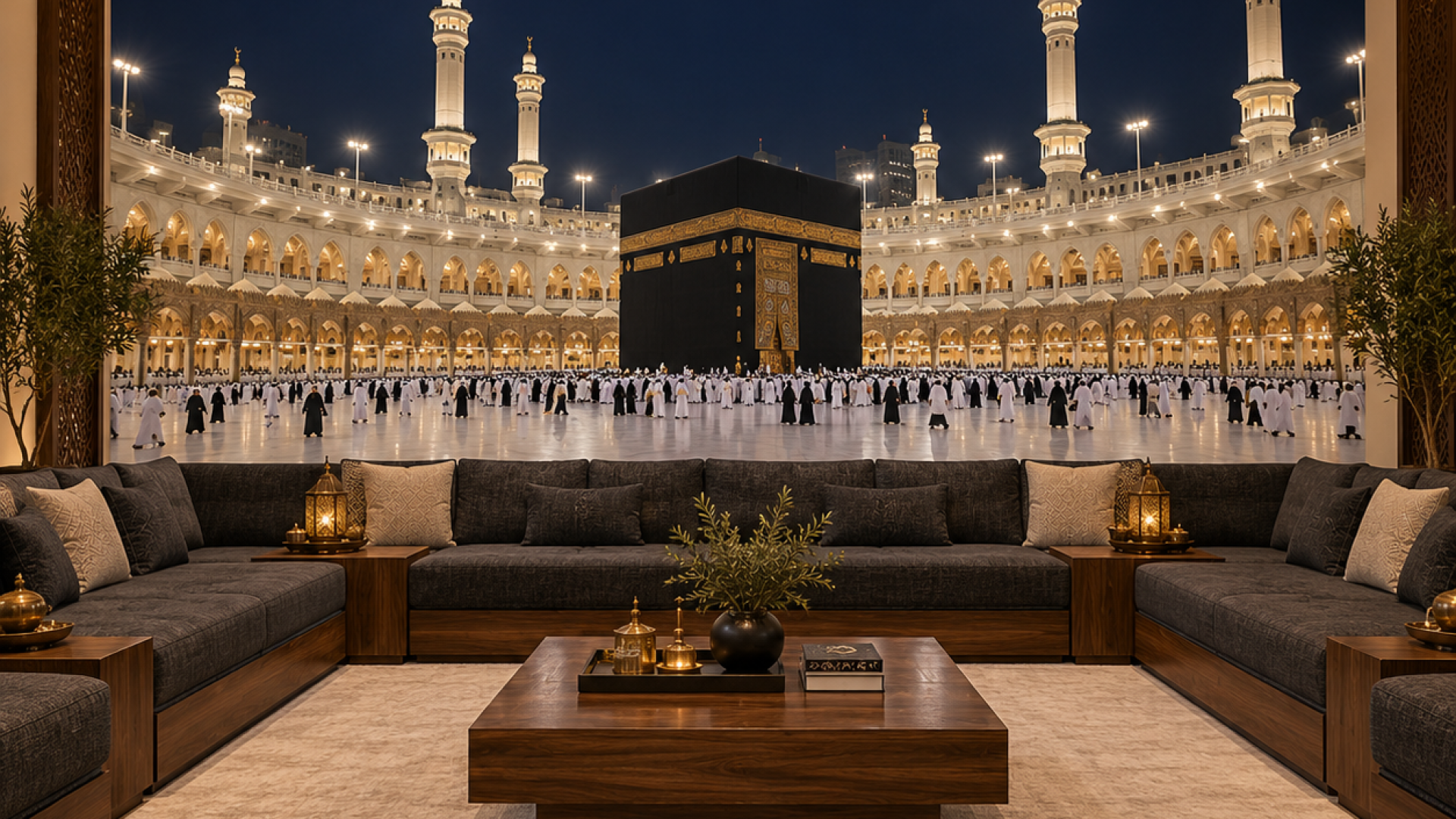
Elegant Ramadan decoration does not have to mean filling every room with seasonal accessories. The most successful interiors often use a carefully selected color palette, one or two meaningful focal points, refined lighting, and Islamic-inspired details that complement the home's existing architecture. The goal is to create an atmosphere that feels special for Ramadan while remaining sophisticated and comfortable.
For homeowners searching for Ramadan decor elegant ideas, Wafa Noor offers a distinctive way to introduce Islamic architectural character through wall decoration. The cobalt blue and ivory mihrab-inspired mural combines a pointed arch with intricate Islamic geometric ornament, creating a structured feature wall that can become the foundation for a stylish Islamic interior.
Elegant seasonal decorating is largely about balance. Instead of adding more objects, consider the relationship between color, scale, texture, lighting, and empty space.
A room becomes easier to style when one element establishes the main visual direction. An Islamic feature wall can serve this purpose particularly well.
The Wafa Noor mural features an ivory pointed arch surrounded by cobalt blue and cream geometric ornament. Its central open shape prevents the detailed border from feeling visually unstructured.
A sophisticated Ramadan interior does not need dozens of decorations. A few carefully selected accessories can create more impact than a crowded arrangement.
Consider choosing one main wall feature, coordinated textiles, warm lighting, and a small number of seasonal accents.
Walls occupy a significant visual area, which makes them an effective place to introduce Islamic character.
The pointed arch in the Wafa Noor design references the visual language of Islamic architecture. Combined with geometric ornament, it gives the wall a distinctive architectural impression.
This can be especially effective in modern homes where the furniture is simple and the homeowner wants to introduce traditional Islamic character without changing the entire room.
Cobalt blue and ivory create a strong but controlled contrast. The combination can work with neutral furniture, cream fabrics, natural wood, and understated metallic accents.
Why does a limited palette help? Repeating a small number of colors creates visual consistency, making individual decorative elements feel connected rather than randomly selected.
The following ideas can help create a refined Ramadan atmosphere without sacrificing practicality.
Choose one prominent wall in the living room, dining area, hallway, or another suitable space.
Allow the Wafa Noor mural to provide most of the visual detail. Keep surrounding furniture relatively simple so the geometric border and pointed arch remain visible.
Lighting plays an important role in evening interiors. Warm lamps, subtle wall lighting, or decorative lantern-inspired illumination can create a more intimate atmosphere.
Rather than directing extremely bright light at the mural, use layered lighting throughout the room.
Repeat the mural's colors in small ways. An ivory sofa cushion, cobalt throw, or cream rug can visually connect the wall with the furniture.
There is no need to make every accessory blue and white. A few carefully placed repetitions are usually enough.
Lanterns can provide an immediate Ramadan association. For a refined look, choose a limited number of lantern-inspired pieces instead of filling every surface.
Place them where they can contribute to the room's lighting and composition.
The dining area often becomes a major gathering point during Ramadan. A simple centerpiece, neutral tableware, and warm lighting can create a sophisticated iftar setting.
If the wall behind the table contains detailed Islamic artwork, avoid competing with it using an excessively elaborate tablescape.
Natural wood, linen-look textiles, neutral ceramics, and simple woven elements can soften a detailed Islamic wall design.
The contrast between geometric precision and natural materials can create a balanced contemporary interior.
A prayer corner can be visually defined through an Islamic-inspired wall treatment, a clean floor area, and subtle lighting.
Keep the space functional and uncluttered. If using a decorative mihrab mural, remember that it is artwork and should not be used as the sole method for determining the Qibla direction.
A hallway can become an elegant transition between different areas of the home. If there is sufficient wall space, Islamic wall decor can give the passage a stronger visual identity.
Avoid filling narrow hallways with unnecessary furniture. Let the wall treatment do most of the decorative work.
Not every accessory needs to announce Ramadan. A crescent ornament, subtle lantern, small floral arrangement, or coordinated textile may be enough.
The result should feel like a stylish home celebrating Ramadan rather than a room temporarily transformed into a themed display.
The same design principle can be adapted throughout the home.
The living room is an ideal location for a large feature wall because it is usually a major gathering area.
Position the mural where it can be appreciated from the main seating arrangement. Neutral furniture can allow the cobalt and ivory palette to become the room's visual anchor.
A dining room benefits from a decorative wall that creates atmosphere during iftar and family meals.
Use a restrained table setting if the wall already contains intricate Islamic geometric details. This helps maintain visual balance.
Bedrooms require a quieter approach. Use the mural as the primary decorative feature and limit additional Ramadan accessories.
Ivory bedding, neutral curtains, and subtle cobalt accents can create continuity without making the room feel overly seasonal.
An elegant Islamic wall design can bring personality to a home office while maintaining a professional atmosphere.
Choose simple accessories and avoid covering too much of the artwork with shelving or furniture.
A hallway can benefit from decorative artwork because it often contains unused vertical wall space.
Before choosing the placement, measure the wall carefully and consider doors, windows, sockets, and nearby furniture.
One of the most useful strategies for stylish Ramadan interiors is combining permanent decor with temporary seasonal details.
| Approach | Advantages | Considerations |
|---|---|---|
| Seasonal Ramadan decor | Easy to change each year | Mostly temporary |
| Permanent Islamic wall decor | Provides a lasting focal point | Requires careful planning |
| Combination approach | Balances seasonal atmosphere and long-term design | Needs coordinated styling |
A Wafa Noor mural can function as the lasting visual foundation. Lanterns, cushions, table decorations, and other Ramadan accessories can then be added or removed according to the season.
This makes the interior more adaptable and reduces the need for a complete redesign every year.
The mural's cobalt blue and ivory palette provides several styling possibilities.
White, beige, cream, light gray, and natural wood can create a calm background for the detailed wall.
This is especially useful when the room already has contemporary furniture.
Dark wood or deep neutral furniture can create a more dramatic contrast with ivory elements in the mural.
Use cobalt accessories selectively so the room retains visual balance.
Minimalist furniture can allow the geometric design to become the primary decorative statement.
Keep additional wall art limited so the feature wall remains the strongest visual element.
Wall proportions can have a major effect on how a large decorative composition looks in a room.
Wafa Noor offers custom sizing to accommodate different wall dimensions. Before ordering, carefully measure the complete width and height of the intended wall.
Do not rely on approximate measurements. Check the wall from edge to edge and account for doors, windows, architectural details, and fixed furniture.
Think about where the center of the mural will sit relative to the room's main furniture. A feature wall is most effective when its central composition can be viewed comfortably.
A refined design still depends on proper wall preparation.
The surface should be clean, dry, and smooth before installation. If the wall has recently been painted, allow the paint to fully cure.
Surface preparation should be completed before beginning the wallpaper application.
Installation and care depend on the wallpaper material selected.
Peel-and-stick wallpaper cannot be reused after removal. Non-woven or vinyl wallpaper requires a suitable wallpaper adhesive and the correct installation approach.
Always follow the care and removal instructions appropriate to the material.
A room can quickly lose its sophisticated appearance when several unrelated accent colors are introduced.
Choose a primary palette and repeat it consistently.
The mural already contains detailed geometric ornament. Adding numerous wall accessories directly over or around it can reduce its impact.
Give the design enough breathing room.
Tiny decorations may disappear beside a large mural, while oversized accessories can compete with it.
Use scale intentionally.
Ramadan decor should work with the furniture already in the room.
Before purchasing accessories, consider the colors, materials, and proportions already present.
If every decorative element is strongly seasonal, the room may require significant changes afterward.
A permanent Islamic feature wall allows the home to remain visually meaningful beyond Ramadan.
The architectural relief and shading shown in the artwork are part of the printed design. They should not be described as actual carved or raised architectural elements.
Elegance does not mean that a room has to feel formal or impersonal.
Cushions, throws, rugs, and curtains can soften the stronger geometry of the feature wall.
Ivory and cream textiles are particularly useful when working with cobalt blue.
Family photographs, books, meaningful objects, and everyday furnishings can remain part of the room.
A sophisticated Ramadan interior should still feel like a real home.
Empty space is an important design tool. When a detailed mural is surrounded by simpler surfaces, its architectural character becomes easier to appreciate.
Wafa Noor's Islamic wall artwork provides a way to introduce meaningful visual character into different areas of the home.
The cobalt blue and ivory mural combines a pointed arch with dense geometric ornament. The design references Islamic architectural aesthetics while functioning as printed wall artwork.
Custom sizing is available for different wall dimensions. Careful measurement is still necessary to determine the appropriate size.
The design can complement living rooms, bedrooms, prayer rooms, offices, dining rooms, and hallways.
This flexibility makes it possible to build a consistent Islamic design language across different areas of the home.
Elegant Ramadan decor usually relies on a controlled color palette, thoughtful lighting, meaningful Islamic details, and uncluttered arrangements. Instead of decorating every surface, choose a few strong elements that work together.
Start with one main focal point and coordinate the surrounding colors and materials. Warm lighting, neutral textiles, restrained accessories, and Islamic wall art can create a more refined appearance.
Yes. Cobalt blue can create a strong visual accent when balanced with ivory, cream, white, beige, or natural wood. The Wafa Noor design uses cobalt blue with ivory and cream geometric details.
The mural can complement living rooms, bedrooms, offices, dining rooms, hallways, and prayer rooms. Select a wall where the design can remain visible and does not interfere with everyday use.
Yes. Wafa Noor offers custom sizing to accommodate different wall dimensions. Measure the full wall width and height carefully before ordering.
Yes, it can serve as decorative wall artwork in a prayer room or prayer corner. However, the illustrated mihrab should not be treated as the sole method for determining the Qibla direction.
Yes. The Islamic-inspired wall design can function as year-round home decor. Seasonal accessories can be removed after Ramadan while the main wall treatment remains.
The wall should be clean, dry, and smooth. Newly applied paint should fully cure before wallpaper installation.
You can, but restraint is important. Since the mural already contains detailed geometric ornament, too many additional large wall pieces may compete with the main feature.
No. Any illustrated relief, shading, or dimensional appearance is part of the printed design. It is not actual carved or raised architectural relief.
Actual colors may vary slightly because of screen settings and lighting conditions. Consider your home's natural and artificial lighting when selecting complementary decor.
Explore reputable museum, university, and cultural institution resources for information about Islamic geometric patterns, arches, and architectural decoration.
Use established Islamic educational and cultural organizations for information about Ramadan traditions and the role of family and community spaces.
Consult professional wallpaper manufacturers and installation guides for surface preparation, application, care, and removal instructions based on the selected material.
Discover more stories and style tips to keep your inspiration flowing.
08 أكتوبر
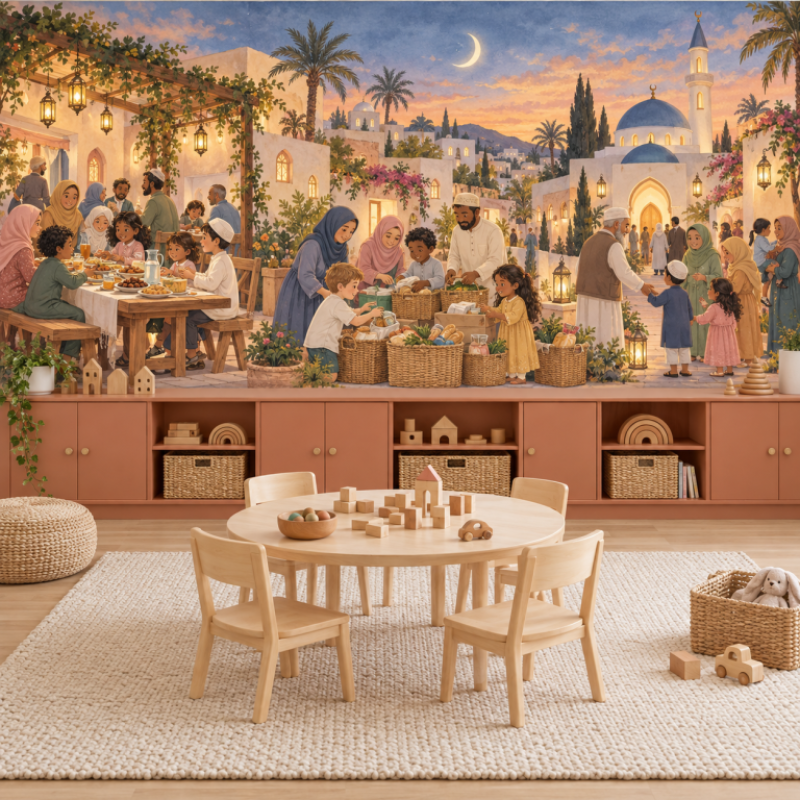
Discover the best Ramadan decorations for elegant Islamic interiors with Wafa Noor wall decor, cobalt blue geometry, warm lighting, and refined styling.
08 أكتوبر
Discover Ramadan decorations for a warm and welcoming home with Wafa Noor Islamic wall decor, cozy lighting, geometric patterns, and styling ideas.
08 أكتوبر
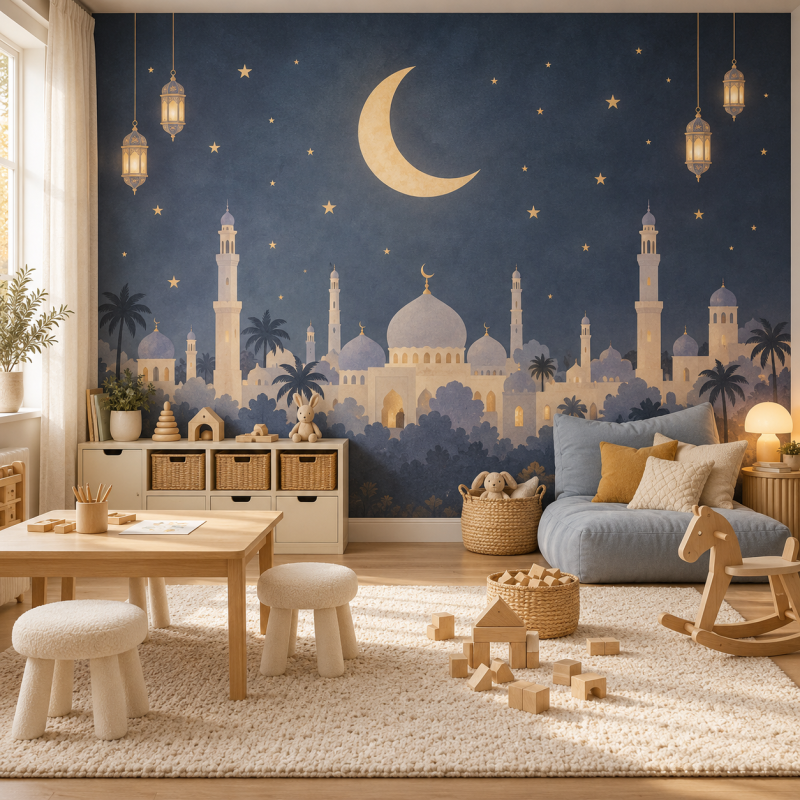
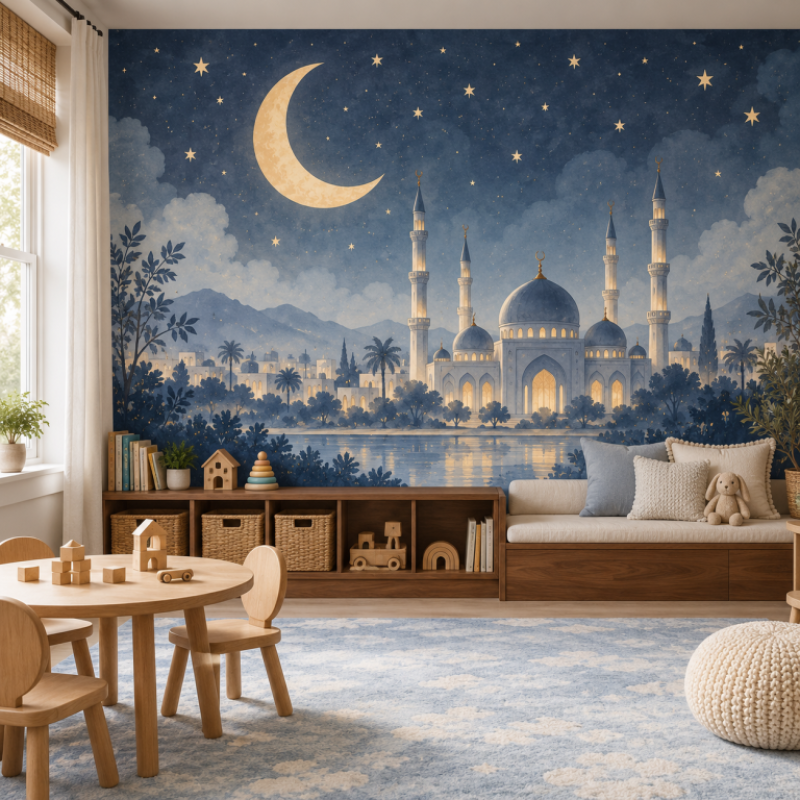
Discover cute Ramadan decorations for kids and family spaces with Wafa Noor Islamic wall decor, playful styling ideas, and meaningful home accents.
08 أكتوبر
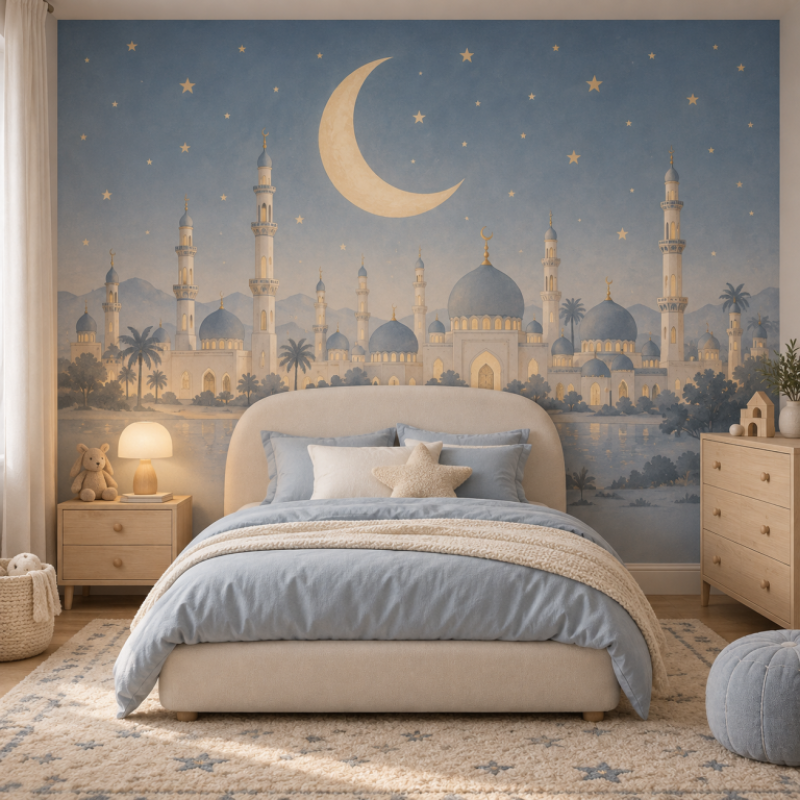
Discover the best Ramadan decorations for meaningful home spaces with Wafa Noor Islamic wall decor, geometric patterns, and thoughtful styling ideas.
08 أكتوبر
Explore Ramadan decorations ideas for a spiritual home, with Wafa Noor Islamic wall decor, mihrab-inspired designs, geometric patterns, and peaceful styling.
08 أكتوبر
Discover elegant Ramadan decor ideas for peaceful interiors, featuring Wafa Noor Islamic wall art, refined colors, geometric patterns, and serene styling.
Need Help?
Aydınlıkevler Mahallesi, 2006 Sokak, Gıyâsettin Özdemir Apartmanı No: 10/B, Yenişehir / Mersin
[email protected] +90 532 508 69 98Buy $100.00 more to get free shipping
Your cart is currently empty. Let us assist you in finding the right product.
تفضيلات ملفات تعريف الارتباط