Your cart is empty
Your cart is currently empty. Let us assist you in finding the right product.

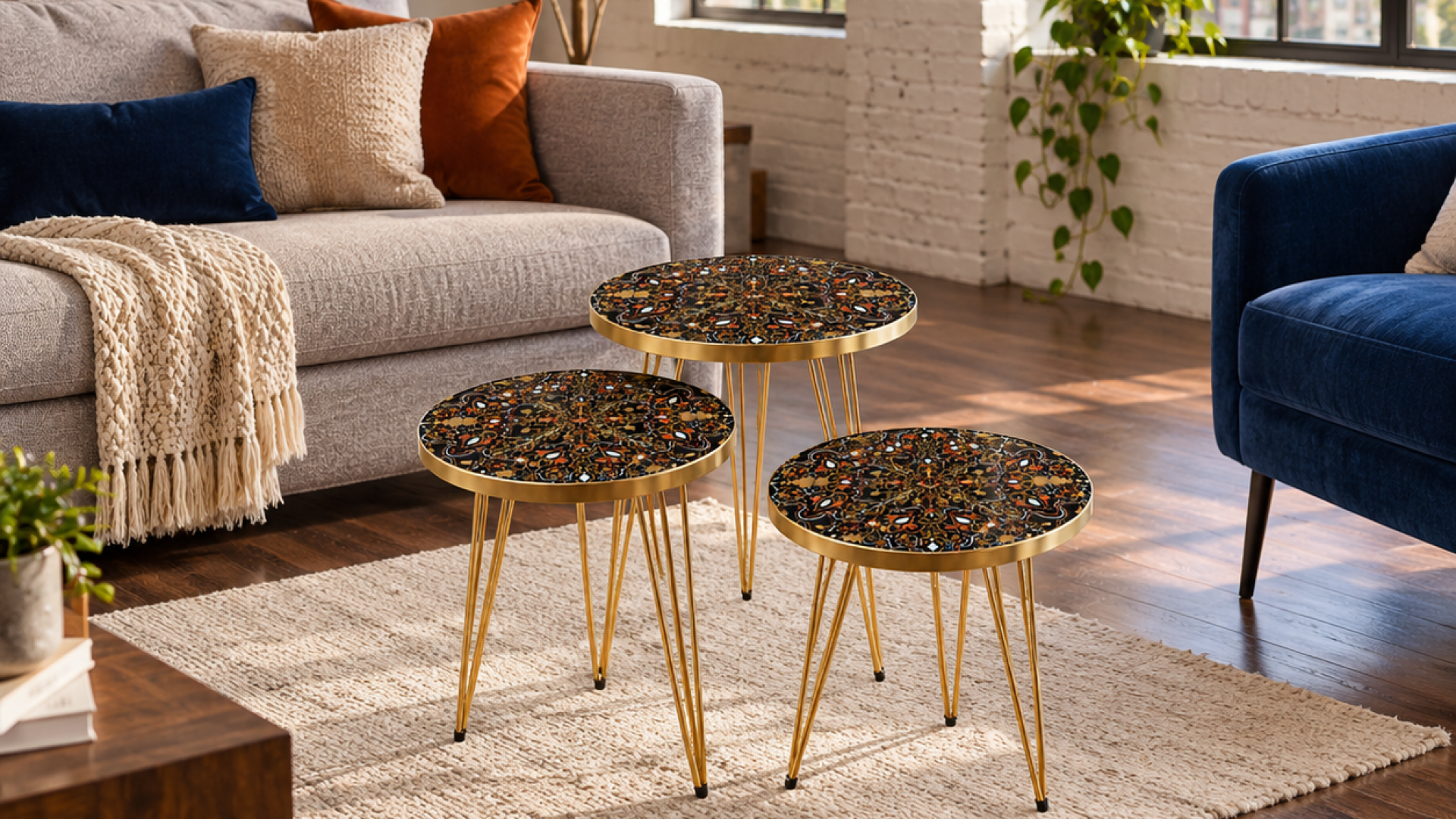
Wafa Noor nesting tables offer a versatile way to create attractive decorative arrangements while keeping a living space practical and organized. With their coordinated designs and flexible placement options, nesting tables can complement different interior styles, from contemporary apartments to warm, traditional homes.
Whether you want to display favorite accessories, organize everyday essentials, or introduce more visual interest beside a sofa, nesting tables provide plenty of opportunities for creative styling. Their layered arrangement makes it easy to experiment with height, texture, color, and balance without overcrowding a room.
Decorative furniture should contribute to the appearance of a room while serving a useful purpose. Nesting tables meet both goals because their individual surfaces can be arranged together or separated whenever your needs change.
One of the most effective ways to decorate a living room is to introduce different heights. Nesting tables naturally support this approach by providing multiple surfaces that can hold objects at varying levels.
For example, a larger table might display a decorative tray, while a smaller table holds a ceramic vase or a compact stack of books. This arrangement creates depth and makes the overall display feel more intentional.
Nesting tables can remain grouped together for a compact decorative feature or be separated when you need additional surfaces. This flexibility is particularly helpful in rooms that serve several purposes.
During an ordinary afternoon, the tables can sit beside a sofa with a lamp and a few accessories. When guests arrive, the smaller tables can move closer to individual seats to provide convenient places for drinks or personal belongings.
Why are nesting tables useful in decorative interiors? They allow homeowners to combine attractive displays with accessible surfaces. Instead of filling a room with several unrelated furniture pieces, you can use a coordinated set to introduce both structure and flexibility.
The living room is one of the easiest places to experiment with nesting table styling. Since these tables can be positioned around sofas, armchairs, and open corners, they work with many furniture arrangements.
Place the largest nesting table beside the sofa and position the smaller tables slightly forward or to one side. This offset arrangement creates a relaxed composition rather than a rigid, symmetrical line.
Decorate the largest surface with a small lamp or a sculptural object. Use the smaller surface for a candle, a decorative bowl, or a book that complements the room's color palette.
Keep the arrangement proportionate to the sofa. Oversized accessories may overwhelm delicate tables, while very small objects can disappear visually when placed on a broad tabletop.
An empty corner can feel unfinished even when the rest of the room is carefully furnished. Nesting tables provide a simple way to turn this overlooked area into a purposeful decorative feature.
Consider placing the tables beside a floor plant, an accent chair, or a narrow floor lamp. A combination of natural greenery, a textured ceramic accessory, and a simple tabletop creates interest without requiring a large cabinet.
Perfect symmetry is not always necessary for an attractive interior. Moving one smaller table slightly outward can make a display feel more dynamic and contemporary.
For a balanced asymmetrical arrangement, distribute visual weight carefully. If one table holds a tall vase, use a lower but wider object on the opposite side to prevent the composition from appearing lopsided.
Wafa Noor nesting tables can be incorporated into different decorative themes by adjusting accessories, finishes, and placement. The goal is to connect the tables with the room rather than make them look like isolated additions.
Minimalist rooms benefit from uncluttered surfaces and clearly defined shapes. Choose a few accessories with simple silhouettes, such as a matte vase, a small sculptural ornament, or a monochromatic book stack.
Leave some tabletop space empty. Negative space is important because it allows each object to stand out and keeps the display from looking crowded.
For a traditional living room, combine nesting tables with warm lighting, textured fabrics, and decorative objects that have a sense of character. Wood finishes, classic ceramics, and subtle metallic details can help connect the tables with established furniture.
A small collection of coordinated objects usually looks more refined than a large assortment of unrelated accessories. Repeat one or two colors already present in the curtains, cushions, or rug to create continuity.
Contemporary and eclectic interiors allow more experimentation with shape, material, and color. Try combining a geometric ornament with a rounded vase or pairing a glossy accessory with a textured natural material.
The key is to maintain at least one visual connection between the objects. This might be a shared color, a repeated finish, or a consistent design theme.
A successful display depends on more than the objects themselves. Their scale, placement, and relationship to one another determine whether the arrangement feels balanced.
Choose one focal accessory for the largest table. It might be a vase, a distinctive sculpture, a decorative bowl, or a compact lamp.
A focal object gives the display direction. Without one, several accessories may compete for attention and make the arrangement feel random.
After choosing the main object, introduce one or two supporting pieces. A short book stack, a small bowl, or a low candleholder can add variation without distracting from the focal point.
Avoid making every object the same height. Different levels create a more engaging composition and help the eye move naturally across the display.
A tray can group small accessories into a single visual unit. It is particularly helpful when decorating a table with several small items, such as a candle, a decorative box, and a small bowl.
Choose a tray that leaves a visible border of tabletop around it. This prevents the surface from looking completely covered and gives the arrangement a deliberate finish.
Decorative arrangements should remain practical. If you regularly use a table for a remote control, a cup, or reading glasses, reserve a convenient section of the surface for those items.
A useful arrangement is one that looks appealing without requiring you to move several ornaments every time you need the table.
Color and texture help nesting tables connect with the rest of the room. Even a simple furniture set can create a distinctive decorative feature when paired with carefully selected accessories.
Begin with two or three colors already present in the room. You might repeat a neutral shade from the sofa, introduce a darker accent from the rug, and add a subtle contrasting color through a vase or decorative object.
This approach creates cohesion without requiring every item to match exactly. Small variations in shade can make the display look more natural and layered.
Texture creates visual interest even when the color palette is restrained. Smooth glass, matte ceramic, woven materials, polished metal, and natural wood can work together when their proportions are considered.
For instance, a smooth tabletop can be paired with a textured ceramic vase and a soft fabric-covered book. The contrast adds depth without making the display feel visually busy.
Repeating a finish can connect nesting tables to nearby furniture and accessories. If the room includes brushed metal lighting, a small accessory with a similar finish can reinforce that connection.
Repetition works best when it is subtle. Too many matching metallic objects may make the room feel overly coordinated rather than thoughtfully styled.
The best arrangement depends on your room size, decorative preferences, and everyday habits. Compare these common approaches before deciding how to style your tables.
| Arrangement style | Best suited for | Main advantage | Styling tip |
|---|---|---|---|
| Grouped arrangement | Small living rooms | Keeps the tables visually compact | Use one focal accessory |
| Separated arrangement | Flexible seating areas | Creates extra surfaces where needed | Repeat a color across the tables |
| Layered arrangement | Modern interiors | Adds depth and variation | Mix objects of different heights |
| Minimal arrangement | Calm, uncluttered rooms | Preserves open tabletop space | Choose only a few accessories |
| Eclectic arrangement | Expressive interiors | Encourages personal styling | Connect objects through color or texture |
A grouped arrangement is often the easiest starting point because it makes the tables appear as one coordinated decorative feature. Separated arrangements are more adaptable, while layered displays are useful when the goal is to add dimension to a room.
Although living rooms are a natural setting for nesting tables, their flexible design can also support decorative arrangements in other parts of the home.
Place a nesting table near an armchair or in a suitable open corner of the bedroom. The largest surface can hold a small lamp, while a smaller table provides space for a book or a decorative dish.
Make sure the arrangement does not obstruct walking paths or interfere with access to the bed. A calm color palette and limited accessories can help maintain a restful atmosphere.
Nesting tables can provide a decorative feature in a spacious entryway or foyer. A small vase, a shallow bowl, or a single sculptural piece can create a welcoming first impression.
Keep frequently used items easy to reach and avoid filling the surfaces with accessories. The entrance should remain comfortable to navigate, particularly when several people are coming and going.
A reading corner benefits from furniture that supports both comfort and convenience. Position the tables beside an armchair and keep a reading light, a book, or a beverage within reach.
A soft throw, a nearby plant, and a carefully chosen accessory can make the area feel complete. The smaller tables can be separated when extra surface space is needed.
In a home office or creative space, nesting tables can hold a small plant, selected reference books, or decorative objects that make the room more inviting.
Keep work essentials separate from decorative items so the surfaces remain useful. If the tables are used near electronics, avoid placing liquids where spills could damage equipment.
Follow this step-by-step method to create a cohesive arrangement without overcomplicating the process.
Why does this method work? It builds the display gradually, allowing each new object to be evaluated in relation to the others. Starting with fewer items also makes it easier to identify what the arrangement actually needs.
Even attractive nesting tables can lose their impact when the surrounding accessories are poorly arranged. A few simple adjustments can make a significant difference.
Covering every tabletop with ornaments can make the arrangement look cluttered. It also reduces the tables' usefulness for everyday activities.
Choose a few meaningful accessories and leave room for practical items. Empty space is part of the design, not an indication that the display is incomplete.
Large ornaments may overwhelm small tables, while tiny accessories can look insignificant on a wide surface. Consider the dimensions of each table before selecting decorative objects.
A good arrangement balances the size of the accessories with the furniture and surrounding seating.
Combining different design styles can be effective, but too many unrelated finishes, colors, and shapes may create visual confusion.
Establish a unifying element, such as a shared color palette or repeated material. This allows individual pieces to vary while preserving an overall sense of cohesion.
A decorative display should not make the tables difficult to use. Accessories placed where people need to set down drinks or reach everyday objects can quickly become inconvenient.
Keep practical surfaces accessible and move fragile ornaments away from busy areas.
Arrange accessories securely, particularly on smaller tables that may be moved frequently. Avoid placing heavy or fragile objects close to an edge, and check that each table sits firmly on the floor.
If children or pets use the room, consider the stability of the furniture and choose decorative objects accordingly.
A well-designed display does not need to remain unchanged. Small updates can make the room feel different while allowing the nesting tables to remain a consistent part of the interior.
Replace a few decorative objects to reflect seasonal colors or changing preferences. Lighter ceramics and natural textures may suit a spring arrangement, while warmer shades and richer materials can create a cozy autumn atmosphere.
You do not need to change everything. Keeping the main focal piece and updating smaller accessories can refresh the arrangement with minimal effort.
Dust the tables regularly and follow the care instructions appropriate to their materials and finishes. Use suitable cleaning products and avoid methods that could scratch, stain, or dull the surface.
Protect the tables from moisture and heat when required. Coasters and small protective pads can help preserve the finish during everyday use.
Furniture arrangements often evolve when you add a chair, change a rug, or reorganize a living room. Nesting tables can adapt to these changes by moving closer to seating or returning to a compact grouped position.
Reassessing the layout occasionally helps keep the display connected to the way you actually use the room.
Nesting tables offer multiple surfaces that can be grouped together or separated as needed. Their different sizes make it easier to create visual layers and experiment with decorative accessories. They also provide flexibility without requiring several unrelated furniture pieces.
Start with a compact arrangement and select only a few accessories. A single focal object, a small book stack, or a simple tray can provide interest without taking up too much space. Keep the tables easy to reach and preserve clear walking paths.
Yes. Their flexible arrangement can complement minimalist interiors when the styling remains restrained. Choose simple shapes, coordinated colors, and a limited number of accessories, leaving plenty of open tabletop space.
There is no fixed number because the ideal amount depends on the dimensions of the tables and the size of the accessories. Begin with one focal object and add one or two supporting pieces. Remove anything that makes the arrangement feel crowded or interferes with practical use.
Yes. Separating the tables can create convenient surfaces beside different seats or in different parts of a room. This arrangement is particularly useful when entertaining guests or adapting a living area for different activities.
Use a coordinated color palette, combine a few complementary textures, and avoid overcrowding the surfaces. A distinctive vase, a tasteful tray, or a carefully chosen sculptural accessory can provide a focal point. Consistent styling with the surrounding furniture also helps the arrangement feel polished.
They can be useful in bedrooms, reading corners, spacious entryways, and selected home office areas. Their suitability depends on the available space and how easily the tables can be accessed. Always ensure that the arrangement does not obstruct circulation or essential activities.
You can refresh the display whenever your preferences or room arrangement changes. Seasonal updates are an easy way to introduce new colors and textures without purchasing new furniture. Regularly removing dust and reassessing the layout will also help keep the arrangement looking intentional.
Overcrowding is one of the most common mistakes because it reduces both visual clarity and practical functionality. Too many accessories can hide the tables' shapes and leave little space for everyday use. Starting with fewer objects and adding only what improves the display usually produces a better result.
Leave enough space for items you regularly use, such as a drink, a book, or a remote control. Position fragile accessories away from edges and choose objects that suit the scale of the tables. The arrangement should support daily activities rather than make them more difficult.
Discover more stories and style tips to keep your inspiration flowing.
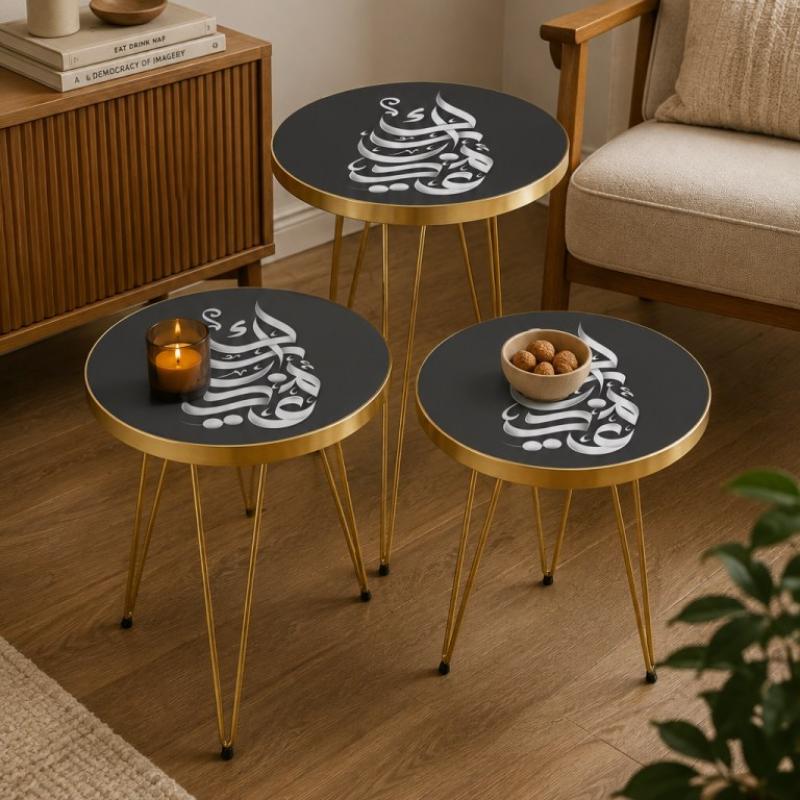
09 أكتوبر
Discover Wafa Noor Islamic designer nesting tables for beautiful living room interiors, with elegant styling ideas, balanced layouts, and decor tips.
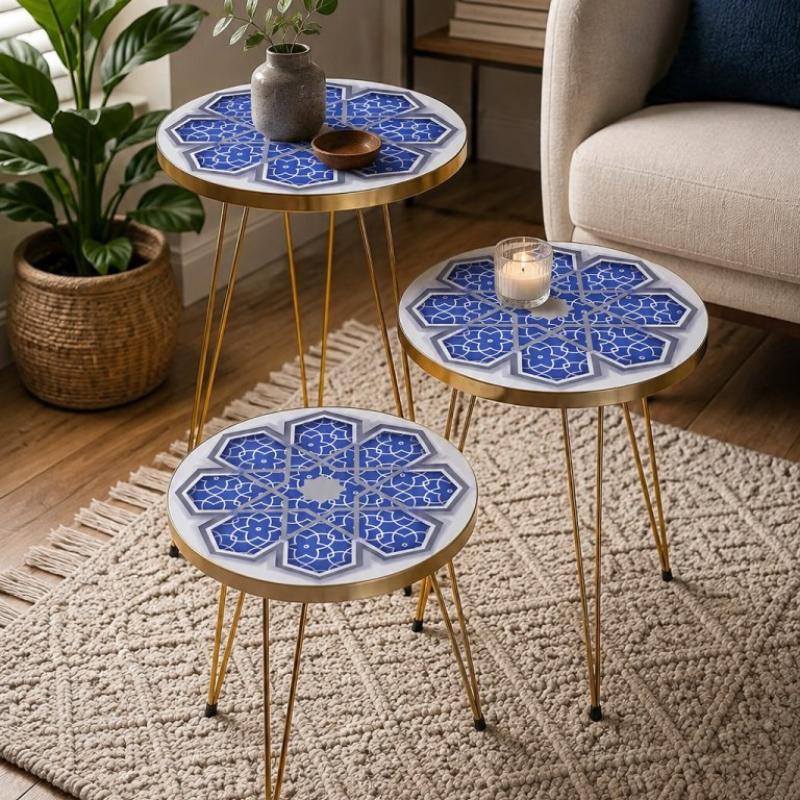
09 أكتوبر
Explore Wafa Noor Islamic designer nesting tables ideas for practical home decor, with space-saving layouts, styling tips, and elegant design inspiration.
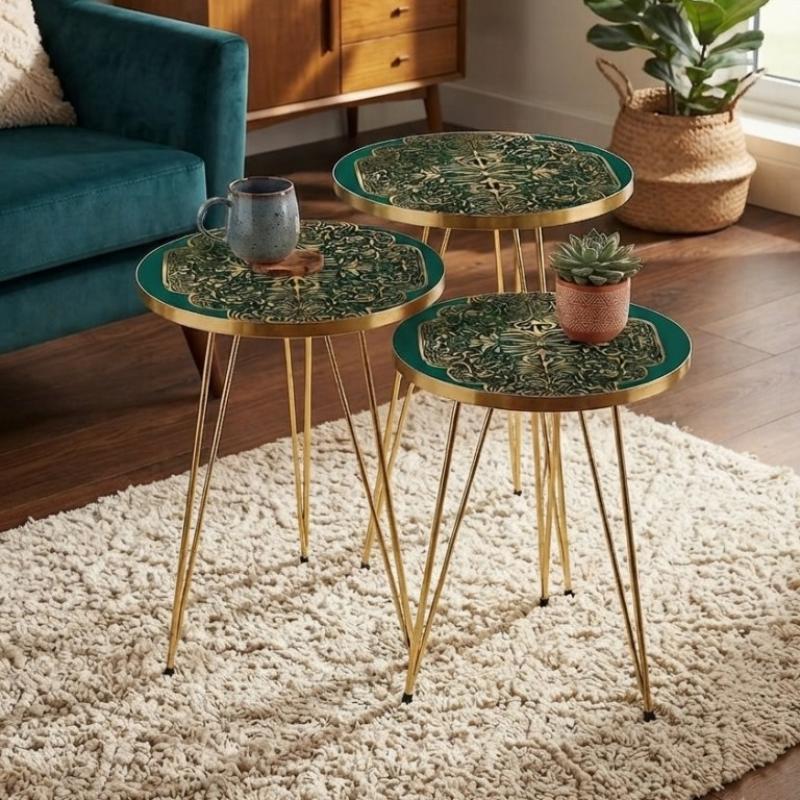
09 أكتوبر
Discover Wafa Noor Islamic designer nesting tables for stylish contemporary homes, with modern styling tips, practical layouts, and elegant decor ideas.
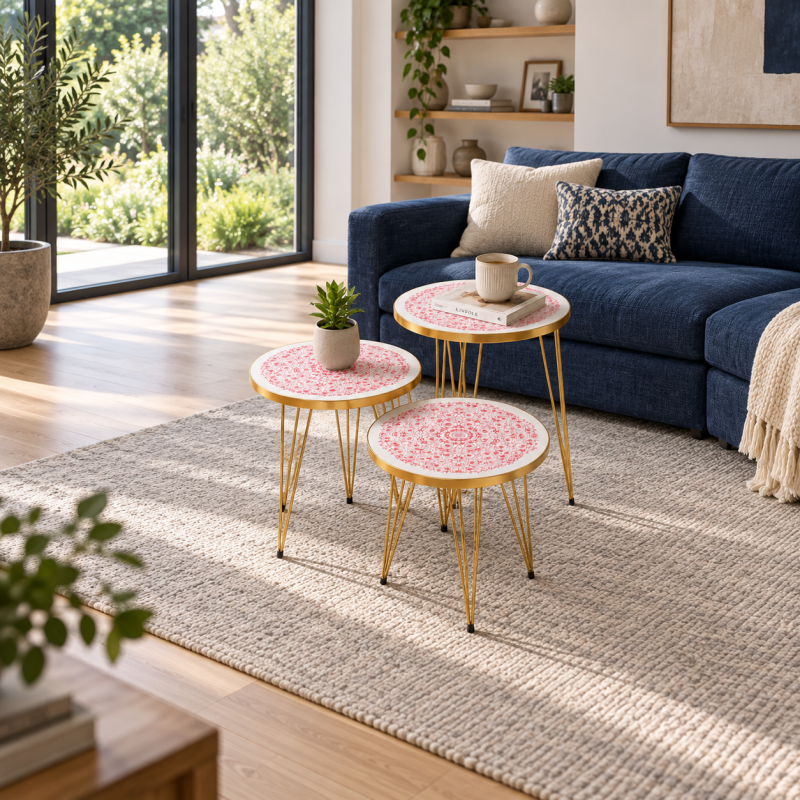
09 أكتوبر
Explore Wafa Noor Islamic designer nesting tables for timeless interior decor, with elegant styling ideas, practical layouts, and harmonious design tips.
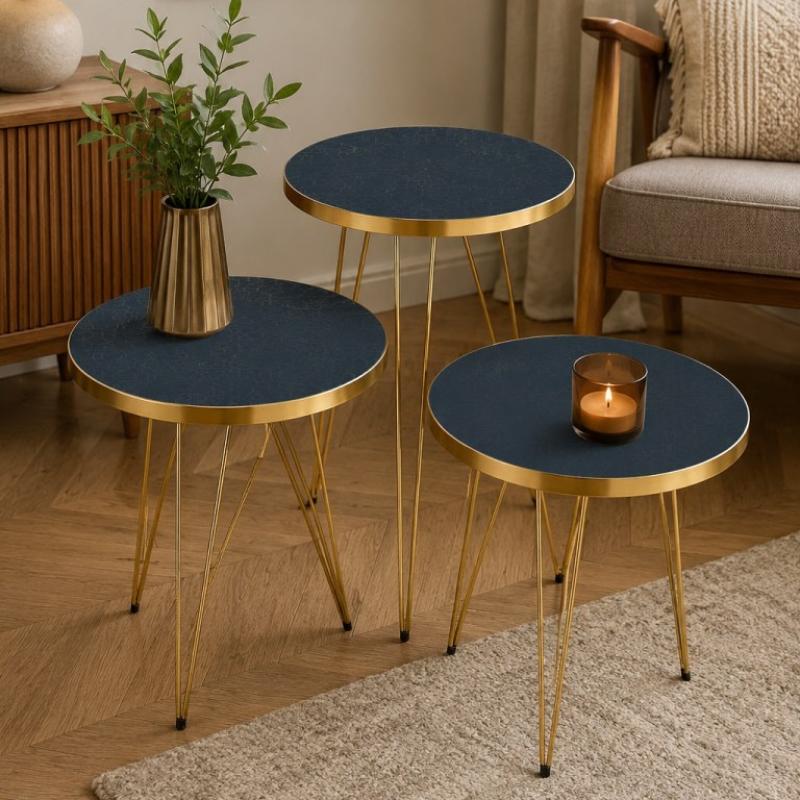
09 أكتوبر
Discover Wafa Noor Islamic designer nesting table ideas for small living spaces, with practical styling tips for elegant, functional interiors.
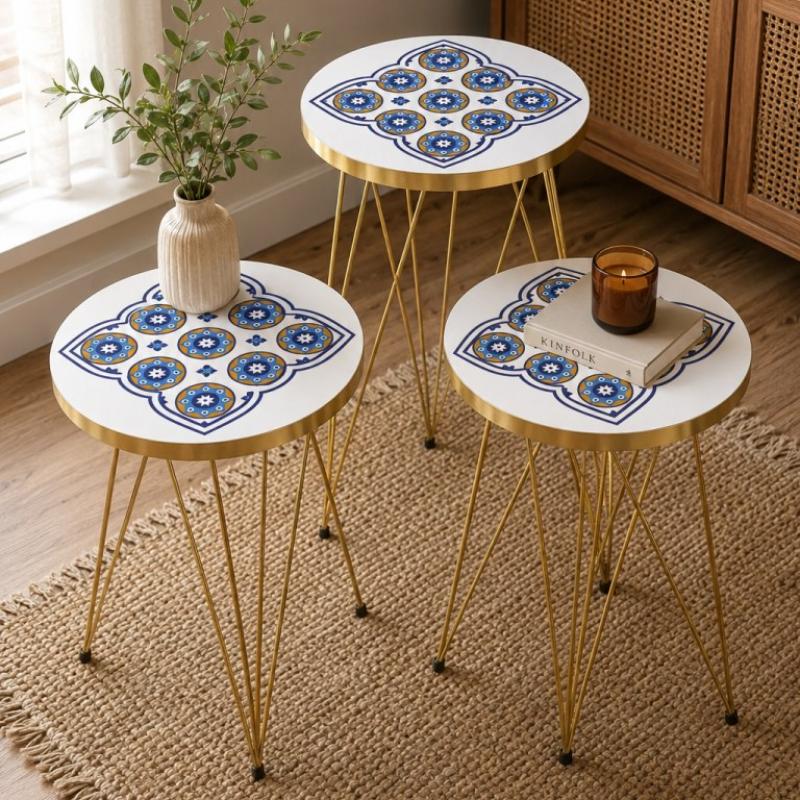
09 أكتوبر
Discover Wafa Noor Islamic Designer Nesting Tables for luxurious home decoration, with elegant styling ideas, refined color palettes, and practical design tips.
Need Help?
Aydınlıkevler Mahallesi, 2006 Sokak, Gıyâsettin Özdemir Apartmanı No: 10/B, Yenişehir / Mersin
[email protected] +90 532 508 69 98Buy $100.00 more to get free shipping
Your cart is currently empty. Let us assist you in finding the right product.
تفضيلات ملفات تعريف الارتباط