Your cart is empty
Your cart is currently empty. Let us assist you in finding the right product.

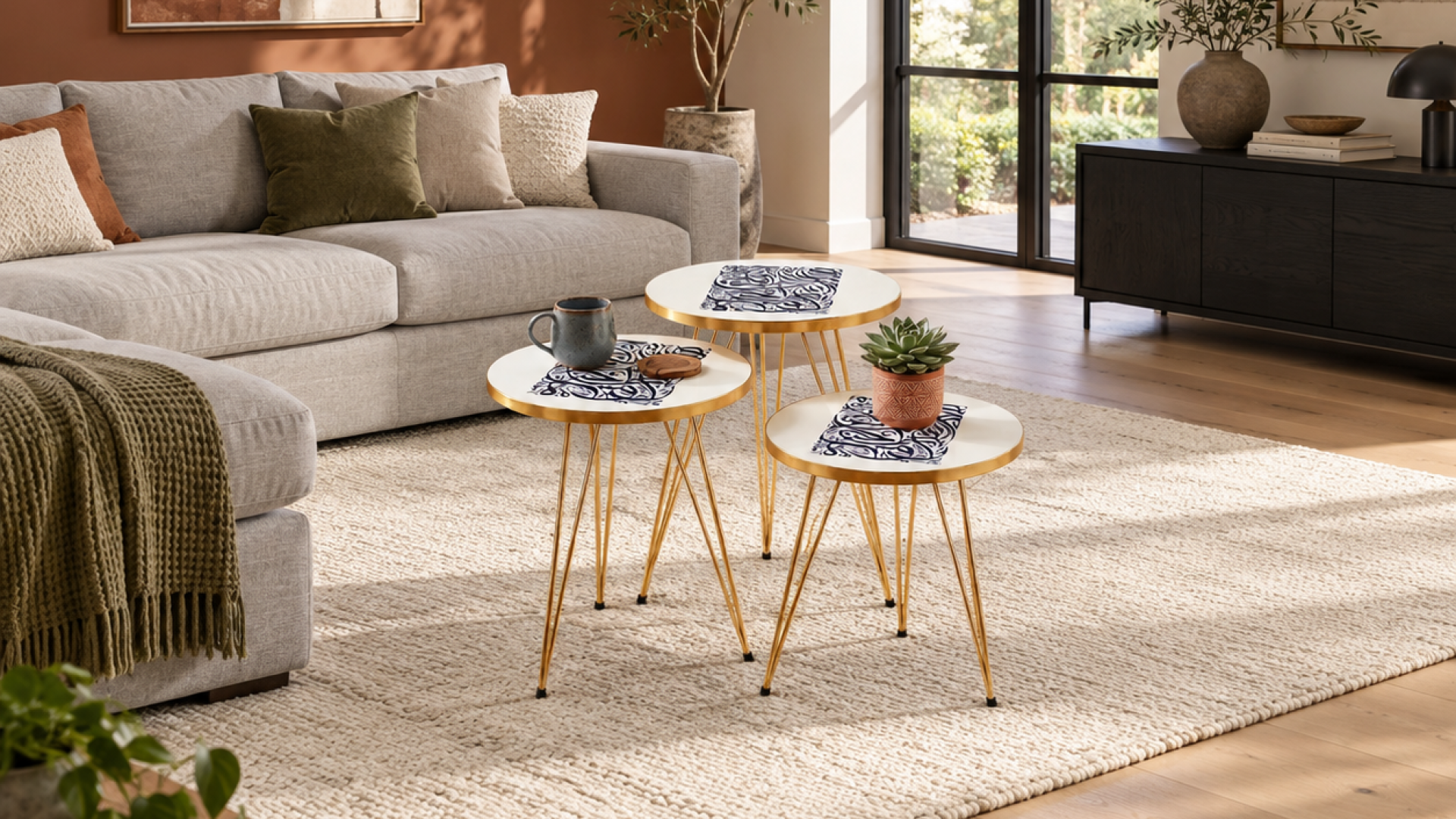
Wafa Noor nesting tables can transform an ordinary living room corner into an attractive display that combines style and everyday convenience. With multiple surfaces arranged at different heights, nesting tables offer a simple way to showcase decorative accessories, favorite books, small plants, and personal keepsakes. Their flexible design makes them suitable for living rooms where visual appeal and practical furniture placement are equally important.
A beautiful living room display does not require a large collection of decorations or an elaborate redesign. Instead, it depends on choosing suitable furniture, arranging accessories thoughtfully, and creating a balance between open space and decorative detail. Wafa Noor nesting tables can help establish this balance by providing versatile surfaces that work alongside sofas, accent chairs, rugs, and other interior elements.
Living rooms serve many purposes, from relaxing after a long day to entertaining guests and spending time with family. Furniture in these spaces should support daily activities while contributing to the overall atmosphere. Nesting tables offer a flexible solution because they provide several surfaces without requiring the permanent footprint of multiple separate tables.
Their layered arrangement also creates opportunities for more interesting decorative compositions. Rather than placing every accessory on one large surface, you can distribute objects across different levels to create depth and visual movement.
Different table heights help a display feel more dynamic. A taller surface can hold a statement vase, while a lower table supports a small decorative bowl or a carefully arranged stack of books.
This approach works because the eye naturally notices differences in height, shape, and scale. When the accessories complement one another, the display feels coordinated without looking overly formal.
Nesting tables can remain grouped together when the room needs an uncluttered appearance. When guests arrive or extra surfaces become useful, individual tables can be separated if their design allows.
This flexibility is especially helpful in multifunctional living rooms. The furniture can adapt to different situations without requiring a permanent change to the room layout.
Large cabinets and substantial coffee tables can dominate smaller living rooms. Nesting tables may offer a lighter visual alternative, depending on their dimensions, materials, and design.
Their compact arrangement creates space for decorative details without necessarily filling an entire wall or seating area. This can help the room feel more open while still giving accessories a dedicated place.
The placement of nesting tables influences both their appearance and their usefulness. Before arranging accessories, consider how people move through the room and where an additional surface would be most helpful.
Placing nesting tables beside a sofa creates an accessible display area for books, coasters, small ornaments, or a decorative lamp. The tables can complement the sofa without competing with its shape or upholstery.
For a balanced arrangement, choose accessories that relate to the colors or textures already present in the seating area. A neutral sofa, for example, can be complemented by a small plant, textured books, or a ceramic ornament.
An accent chair can become more inviting when paired with a thoughtfully styled table. Nesting tables provide a convenient surface for reading materials and a few decorative objects while adding another layer to the seating arrangement.
Avoid placing the tables so close that they interfere with comfortable movement. Leave enough room for the chair to be used naturally and for people to move around the furniture.
A window area can be an attractive location for a small decorative display. Natural light may highlight the shapes and textures of carefully selected accessories, creating a pleasant feature within the living room.
Consider the light requirements of any plants and avoid placing delicate objects where direct sunlight or temperature changes could damage them. Leave window access clear whenever it is needed.
A bare corner can make an otherwise well-furnished room feel unfinished. Nesting tables can turn that space into a compact display area without introducing another large piece of furniture.
Start with one taller decorative item, such as a vase with branches, and add one or two smaller accessories. If the corner is narrow, keep the tables grouped together and avoid excessive decoration.
A successful living room display reflects the character of the surrounding interior. You can create different effects by changing the accessories, color palette, and arrangement.
Minimalist interiors rely on simplicity and purposeful choices. To achieve this look, select a small number of accessories and allow the table surfaces to remain visible.
A single sculptural object, a neutral ceramic vase, or two carefully selected books may be enough. The empty space around these items becomes part of the design, giving the display a calm and uncluttered appearance.
Natural textures can make a living room feel welcoming. Wooden accessories, woven trays, textured ceramics, and small plants introduce subtle variety without relying on bold colors.
For example, place a low bowl on one table and a small plant on another. Repeat a warm neutral shade in nearby cushions or a rug to connect the display with the wider room.
Contemporary living rooms can benefit from sculptural objects, geometric shapes, and contrasting materials. Glass, metal, ceramics, and books can work together to create a distinctive display.
Choose one main accessory and use the remaining items to support it. This prevents the arrangement from becoming visually crowded and gives the most interesting object room to stand out.
A living room should reflect the people who use it. Favorite books, handmade ornaments, travel souvenirs, and framed photographs can make nesting tables feel personal rather than simply decorative.
Group related objects together and avoid displaying every collectible at once. Rotating accessories occasionally allows you to highlight different pieces while keeping the arrangement fresh.
Accessories give nesting tables their personality, but the wrong combination can make the arrangement feel disorganized. Consider color, proportion, texture, and the amount of open space before adding more objects.
Begin by looking at the room's existing palette. Upholstery, curtains, cushions, rugs, and artwork can all provide inspiration for selecting decorative accessories.
You might repeat a soft green from a cushion with a small plant or echo a warm beige shade through ceramic ornaments. These subtle links create visual continuity without requiring every item to match exactly.
A balanced display usually includes objects of different heights and shapes. Combining a tall vase with a low bowl and a medium-sized book stack creates more visual movement than using several similar objects.
However, variation should still feel intentional. Choose items that share at least one characteristic, such as color, material, or design style, to keep the arrangement cohesive.
Texture adds interest even when the colors remain neutral. Smooth glass, matte ceramics, textured paper, polished metal, and natural materials can complement one another when used in moderation.
Try repeating one material across the display. For example, a ceramic vase and a smaller ceramic bowl can connect otherwise different accessories.
A decorative tray helps organize smaller accessories and creates a defined area on the tabletop. It can hold a candle, a small ornament, or a few practical items without making the surface look scattered.
Select a tray that fits comfortably on the table and leaves room around it. A tray that occupies nearly the entire surface may make the display feel crowded.
Different furniture types serve different decorative purposes. The best option depends on the available space, your styling preferences, and how the surfaces will be used.
| Furniture type | Main benefit | Display potential | Best application |
|---|---|---|---|
| Nesting tables | Flexible surfaces in a compact arrangement | Layered displays across different heights | Small and medium living rooms |
| Traditional coffee table | A central surface for seating areas | Larger grouped arrangements | Main sofa areas |
| Single accent table | Simple, focused decoration | One small focal display | Beside a chair or sofa |
| Console table | Extended horizontal display space | Multiple accessories arranged in a row | Along a wall |
| Display shelf | Vertical storage and presentation | Collections arranged across several levels | Walls and reading areas |
Nesting tables are particularly useful when flexibility matters. A traditional coffee table may be better for a large central seating arrangement, while a console table offers more continuous display space along a wall.
Think about how often you will move the tables and how much surface area you need. The most attractive option is the one that complements your living room without making everyday movement difficult.
The same nesting tables can look different depending on the accessories and furniture around them. Matching the display to the room's overall character helps create a more unified interior.
Contemporary interiors often use clean lines, restrained colors, and a mixture of materials. Choose accessories with simple silhouettes, such as a sculptural vase, a geometric ornament, or a short stack of design books.
Avoid filling every surface with small decorative objects. A limited selection can reinforce the room's clean appearance while giving each piece a clear purpose.
Traditional interiors may include patterned upholstery, classic artwork, warm wood tones, or decorative textiles. Nesting tables can complement these features with carefully selected books, a classic bowl, or a floral arrangement.
Keep the accessory scale appropriate for the tables. A substantial room may support a larger decorative feature, while a compact seating area usually benefits from smaller objects.
Scandinavian-inspired spaces often emphasize light, natural materials, and practical simplicity. Soft neutral accessories, understated ceramics, and greenery can complement this approach.
Leave enough visible tabletop space to preserve the room's open feeling. A few well-chosen items usually work better than a crowded collection.
Eclectic interiors combine different influences, colors, and decorative objects. Nesting tables can provide a common display area for meaningful pieces from different styles.
To keep the arrangement cohesive, repeat one color or material among the accessories. This connection allows the objects to express individuality without appearing entirely unrelated.
You do not need to replace furniture to give your living room a different atmosphere. Small accessory changes can help the display reflect the season or a particular occasion.
Use fresh flowers, botanical details, lighter-colored ceramics, or glass accessories to create an airy appearance. Natural greenery can introduce color without making the display feel heavy.
Keep the arrangement simple so that light and open space remain part of the overall look. If you use fresh flowers, protect the tabletop from water and moisture.
Warmer colors, textured books, decorative bowls, and carefully placed candle holders can create a cozy visual effect. Choose accessories that complement existing blankets, cushions, and rugs.
Avoid adding too many seasonal decorations at once. A few coordinated details can create a noticeable change without overwhelming the room.
When preparing for guests, arrange the tables so that they look polished and remain practical. Move fragile objects away from edges and leave space for items that guests may need to place temporarily.
If you separate the tables, position them where they are easy to reach. This makes the living room more adaptable while preserving the decorative arrangement.
A beautiful display depends on thoughtful editing as much as creative decoration. Watch for these common issues when arranging your tables.
If a display feels wrong but you cannot identify the problem, remove one accessory and review the arrangement again. Reducing visual clutter often reveals a better balance.
Follow these steps to create a cohesive arrangement that suits your home.
This process creates a visual hierarchy, meaning that one object attracts attention first while the remaining details support the composition. It also helps prevent the display from becoming a random collection of accessories.
Nesting tables offer multiple surfaces that can be grouped together or separated when needed. Their different heights make it easier to create layered arrangements with books, vases, plants, and decorative accessories.
Choose a clear color palette and begin with one focal accessory. Add a few complementary pieces at different heights, and leave enough open space to keep the arrangement visually balanced.
Yes, they can be useful in compact living rooms because several surfaces can be grouped into one arrangement. Check the dimensions before choosing a set and make sure the tables do not obstruct walking routes.
Vases, decorative bowls, books, small plants, trays, and sculptures can all work well. Select accessories according to the tabletop dimensions and the style of the surrounding furniture.
No. Keeping them together creates a layered display, while separating them provides individual surfaces in different parts of the living room. The best arrangement depends on the available space and your everyday needs.
There is no fixed number because table sizes and accessory dimensions vary. Start with one main object and add only enough supporting pieces to create a balanced display without hiding the tabletops.
Yes. Their appearance can be adapted with accessories suited to contemporary, traditional, Scandinavian-inspired, or eclectic interiors. Coordinating colors, materials, and proportions helps connect the tables with the room.
Rotate your existing accessories, change the books on display, introduce seasonal flowers, or replace a decorative tray. Small changes can create a new look while allowing you to keep the same tables.
Dust the surfaces regularly and clean spills promptly using methods suitable for the table's material and finish. Follow the manufacturer's care instructions and use protective coasters or pads where appropriate.
Position the tables where guests can reach them comfortably and keep the most fragile decorations away from edges. Leave enough clear surface space for practical use while maintaining a coordinated decorative appearance.
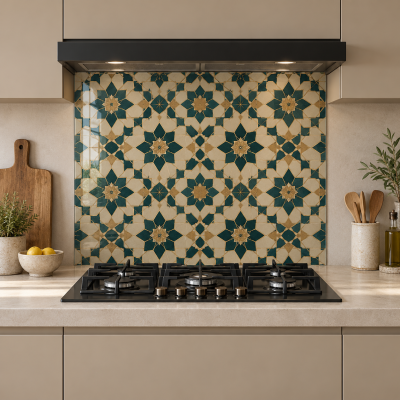
Discover more stories and style tips to keep your inspiration flowing.
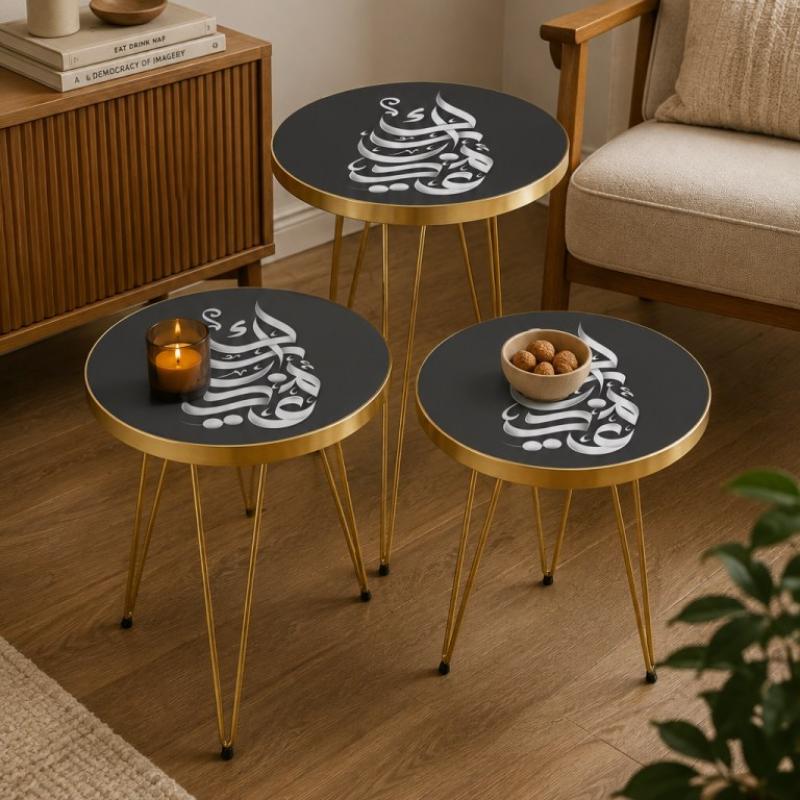
09 أكتوبر
Discover Wafa Noor Islamic designer nesting tables for beautiful living room interiors, with elegant styling ideas, balanced layouts, and decor tips.
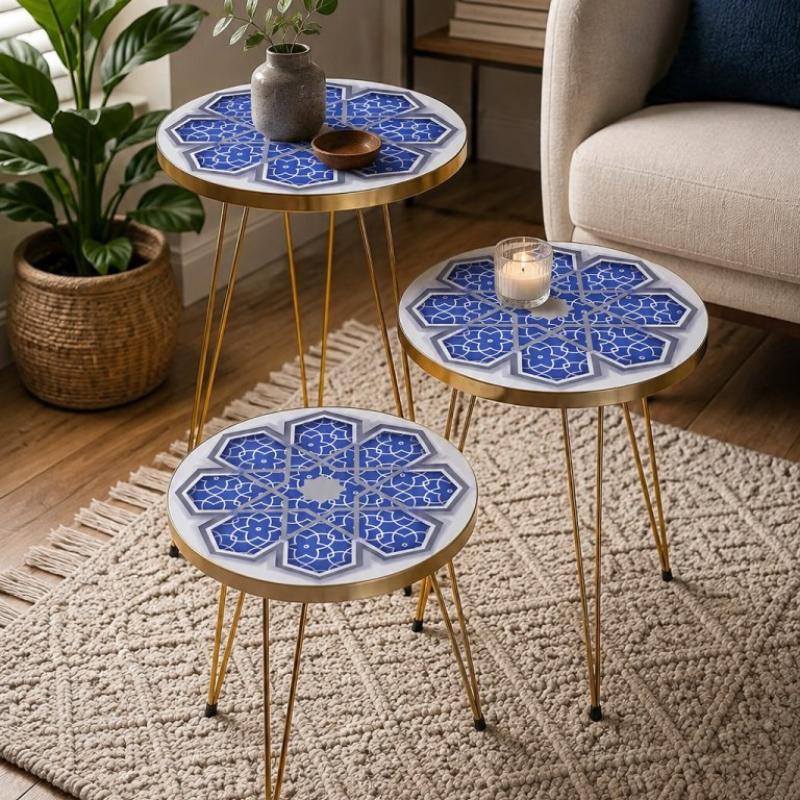
09 أكتوبر
Explore Wafa Noor Islamic designer nesting tables ideas for practical home decor, with space-saving layouts, styling tips, and elegant design inspiration.
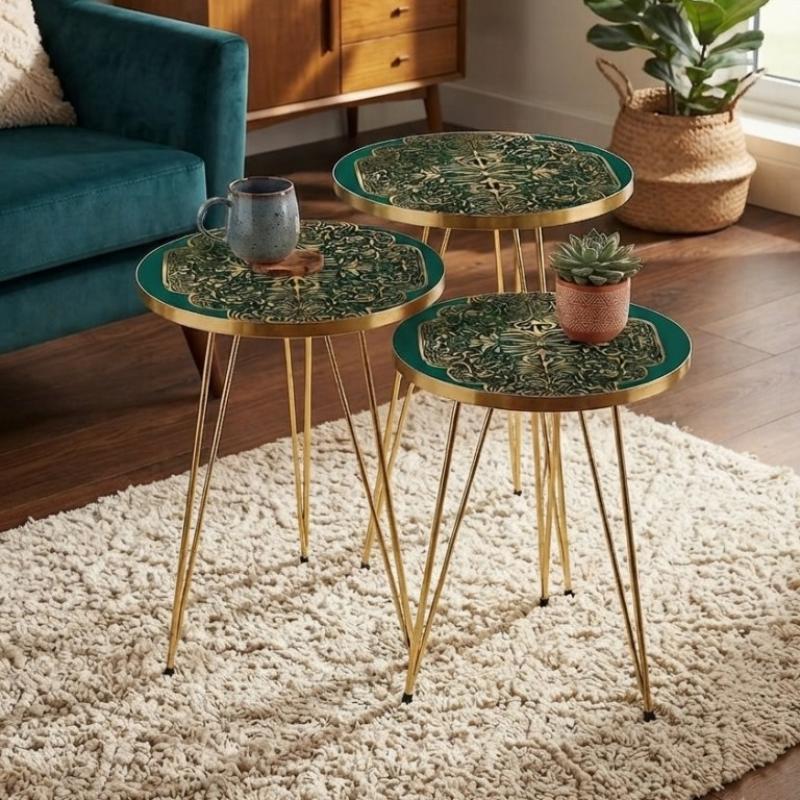
09 أكتوبر
Discover Wafa Noor Islamic designer nesting tables for stylish contemporary homes, with modern styling tips, practical layouts, and elegant decor ideas.
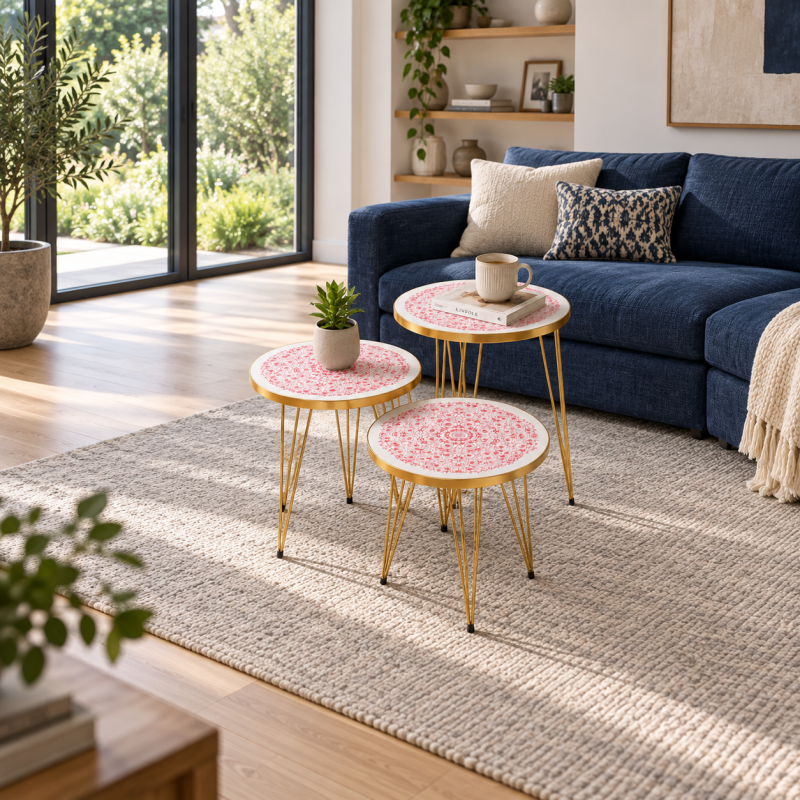
09 أكتوبر
Explore Wafa Noor Islamic designer nesting tables for timeless interior decor, with elegant styling ideas, practical layouts, and harmonious design tips.
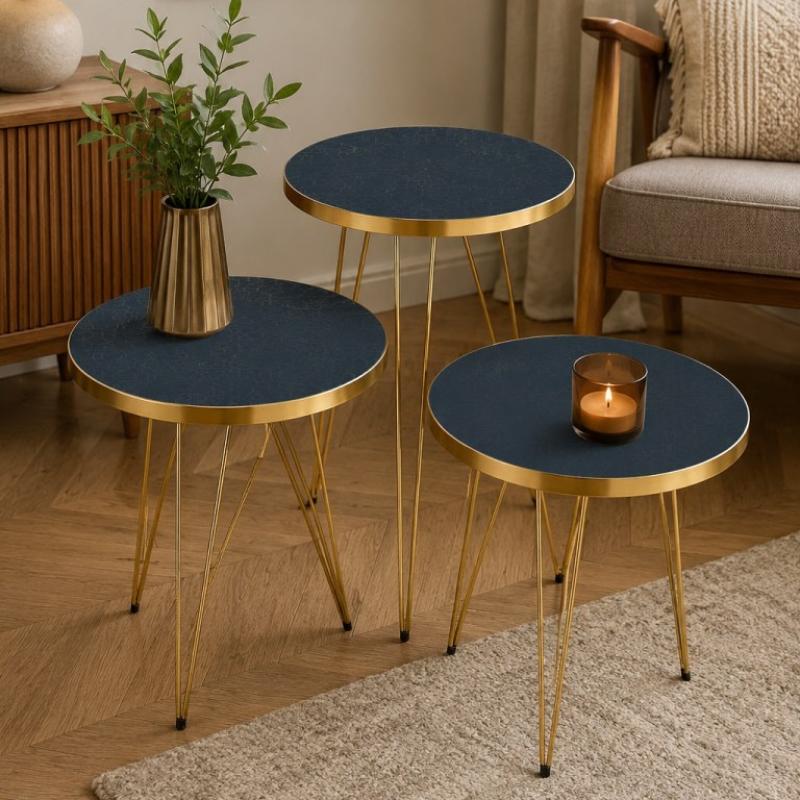
09 أكتوبر
Discover Wafa Noor Islamic designer nesting table ideas for small living spaces, with practical styling tips for elegant, functional interiors.
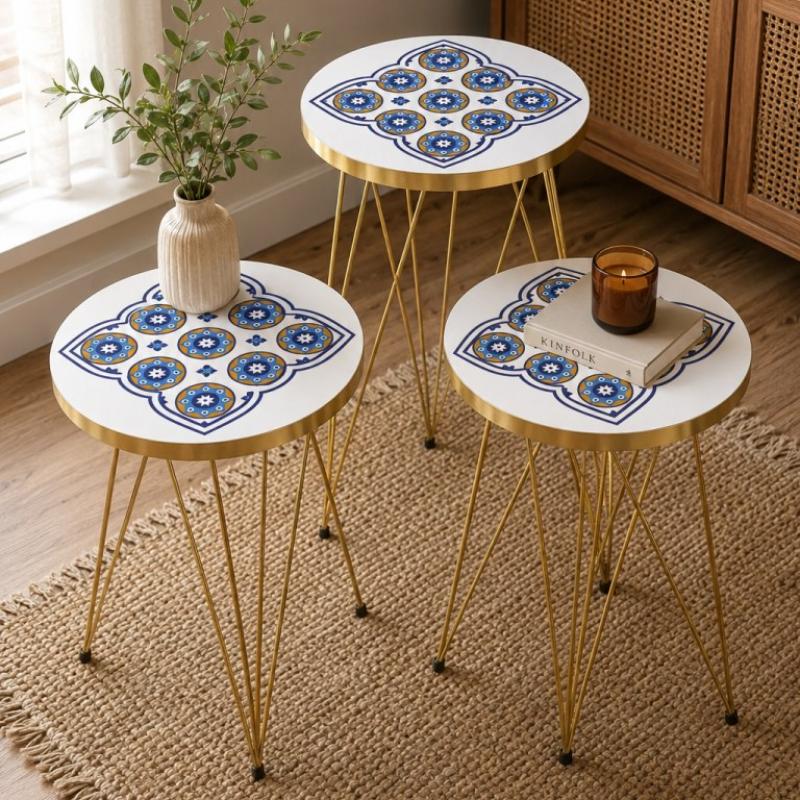
09 أكتوبر
Discover Wafa Noor Islamic Designer Nesting Tables for luxurious home decoration, with elegant styling ideas, refined color palettes, and practical design tips.
Need Help?
Aydınlıkevler Mahallesi, 2006 Sokak, Gıyâsettin Özdemir Apartmanı No: 10/B, Yenişehir / Mersin
[email protected] +90 532 508 69 98Buy $100.00 more to get free shipping
Your cart is currently empty. Let us assist you in finding the right product.
تفضيلات ملفات تعريف الارتباط