Your cart is empty
Your cart is currently empty. Let us assist you in finding the right product.

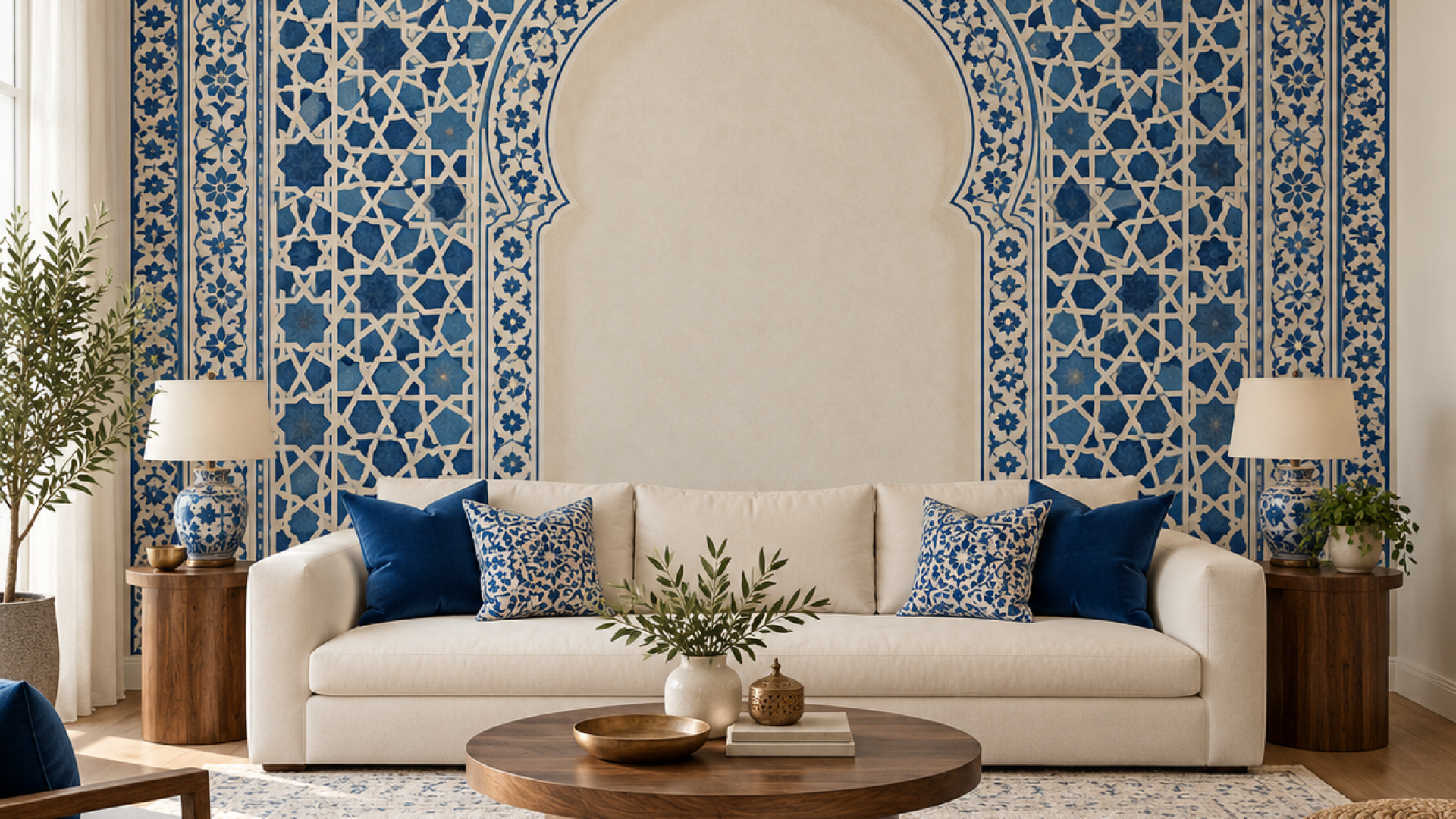
A peaceful home often begins with thoughtful visual choices. Wall decor can influence how a room feels, and an Islamic-inspired feature wall can introduce architectural character, symmetry, and a sense of visual order. Wafa Noor Islamic Mihrab Wall Decor offers a distinctive way to bring the recognizable form of the mihrab into living spaces through decorative wall artwork and printed wallpaper designs.
From quiet prayer corners to elegant living rooms, mihrab-inspired decor can become a meaningful focal point without requiring structural remodeling. By combining Islamic geometric patterns, arch-inspired forms, balanced colors, and careful placement, you can create a home environment that feels coordinated and welcoming.
The mihrab is traditionally associated with mosque architecture and is commonly recognized by its arched form and central placement. In interior decoration, this architectural inspiration can be interpreted as a decorative motif rather than a structural feature.
Why does the shape work well as wall decor? Its natural symmetry gives the eye a clear focal point, while surrounding patterns can add detail without making the entire room feel visually random.
A mihrab-inspired wall can therefore provide structure to a large empty surface.
Islamic geometric ornament often uses repetition, symmetry, and carefully organized shapes. These qualities can make detailed wall decor feel ordered rather than chaotic.
A design featuring cobalt blue, ivory, and cream, for example, can create a strong contrast while maintaining a refined palette. This makes the style adaptable to both traditional Muslim homes and contemporary interiors.
Peaceful interiors do not necessarily require many decorative objects. A single carefully selected feature wall can establish the visual identity of a room.
Instead of filling the walls with numerous framed pieces, consider allowing one mihrab design to become the main decorative element. This approach can be particularly effective in minimalist spaces.
The wall behind a sofa is a natural location for a mihrab-inspired design. It is usually visible from the main seating area and provides enough space for a large composition.
Pair a detailed mural with simple furniture in ivory, beige, white, or natural wood. This allows the Islamic geometry to remain prominent without making the room feel overloaded.
For example, a cobalt-and-ivory mihrab design can become the main color statement in an otherwise neutral living room.
A prayer corner does not need to occupy an entire room. A section of a larger room can be visually separated with a distinctive wall design.
A mihrab-inspired mural can help define this area. Keep the surrounding decor simple, with a prayer rug, modest lighting, and minimal furniture.
Why is this effective? The wall provides a visual boundary even when there is no physical partition.
A bedroom feature wall can benefit from an architectural focal point. Placing the mihrab-inspired design behind the headboard can create a framed appearance.
Choose plain bedding and understated accessories so the detailed wall remains the primary pattern. Ivory, cream, beige, and soft gray textiles can complement a cobalt blue design particularly well.
Hallways are often functional rather than decorative. A carefully selected Islamic wall design can make an otherwise plain passage feel more intentional.
Before choosing this option, consider the hallway width and lighting. A detailed mural can work beautifully when the wall is large enough to display the composition clearly.
A dining room feature wall can become a natural conversation point. A mihrab design behind a dining table can introduce Islamic-inspired character without requiring numerous decorative accessories.
Natural wood furniture can work particularly well with blue and ivory artwork. Add simple tableware and neutral textiles to maintain balance.
An office or study can benefit from a strong visual backdrop. A geometric mihrab design can make a plain workspace feel more distinctive.
Keep the desk and storage relatively simple. This prevents the wall pattern from competing with the functional elements of the workspace.
You do not need a traditionally furnished home to use Islamic wall decor. In fact, a modern interior can provide an interesting contrast.
Clean-lined furniture, neutral walls, contemporary lighting, and a detailed mihrab mural can work together by giving the traditional motif a modern context.
Accurate measurements are one of the most important steps. Measure the full width and height of the wall rather than estimating based on furniture.
Custom sizing can make it easier to adapt the wallpaper to your specific space. Record the dimensions carefully and check them before placing your order.
A mural can lose much of its impact if the central design is hidden behind furniture.
Before installation, consider:
The main arch and important geometric details should ideally remain visible.
A feature wall may be viewed from several areas of the home. Walk around the room and consider how much of the design will be visible from the entrance, seating area, and main circulation path.
This simple step can help you select a more effective wall.
Cobalt blue can add depth and visual interest to a feature wall. It works especially well when the surrounding room uses neutral colors.
Rather than introducing several additional accent colors, let the blue remain the primary decorative color.
Ivory can soften a strong blue pattern and provide a warmer alternative to bright white.
An ivory pointed arch surrounded by cobalt and cream geometric ornament can create a layered appearance while maintaining a controlled color palette.
Natural wood can complement Islamic geometric designs without competing with them. Beige upholstery, cream rugs, linen-style curtains, and simple wooden furniture can create a warm supporting environment.
Why do neutral textures work so well? They provide visual breathing room around a highly detailed wall design.
| Feature | Mihrab Wallpaper | Separate Wall Decor |
|---|---|---|
| Wall coverage | Large continuous area | Usually smaller |
| Visual impact | Strong feature wall | More localized |
| Design continuity | One coordinated composition | Multiple pieces |
| Custom sizing | Available | Often fixed dimensions |
| Rearrangement | Less flexible | Easier to rearrange |
Wallpaper is useful when you want the wall itself to become part of the interior. Individual wall decorations may be better if you prefer to frequently change the arrangement.
Neither option is universally better. The right choice depends on your room size, decorating goals, and desired level of visual impact.
A peaceful space does not have to be empty, but it should have visual breathing room.
If your mural contains detailed Islamic geometry, avoid placing several equally detailed patterns directly beside it. Use solid colors and subtle textures for surrounding furniture and accessories.
Lighting can influence the atmosphere of the room as well as the appearance of the printed design.
Soft indirect lighting can help emphasize the architectural shape without creating excessive glare. Consider both daytime sunlight and evening lighting before finalizing the wall's location.
Symmetry can reinforce the architectural character of a mihrab design. Place matching or visually balanced furniture elements around the main feature where appropriate.
For example, two simple side tables or balanced decorative objects can frame a central sofa or bed without distracting from the mural.
The surface should be clean, dry, and smooth before installation. Dust, grease, loose paint, and significant surface imperfections can affect the final appearance.
If your wall has recently been painted, allow the paint to fully cure before applying wallpaper.
Installation requirements depend on the material selected. Non-woven and vinyl wallpaper may require a suitable adhesive, while peel-and-stick wallpaper follows a different application process.
Always follow the instructions appropriate to the material you have chosen.
Do not begin applying the wallpaper before checking the positioning of the central design. A mihrab composition often depends on a clearly positioned arch.
Careful planning can prevent important details from being placed too close to furniture or cut off at an inconvenient point.
A wall may look large enough at first glance, but doors, windows, and furniture can significantly reduce the usable visual area.
Measure the complete surface before ordering.
Combining a detailed mihrab mural with heavily patterned rugs, curtains, cushions, and furniture can create visual competition.
Choose one primary pattern and let the other elements remain relatively understated.
A wallpaper can look beautiful on its own but still feel disconnected from the room if its colors clash with the furniture.
Look at your existing flooring, sofa, curtains, cabinetry, and lighting before selecting the final palette.
Uneven or dirty surfaces can interfere with installation. Proper preparation is not an optional detail; it is part of achieving a clean finished appearance.
Think about how the wall will work if you move your sofa, bed, desk, or cabinets later. A central design should ideally remain useful even if the room arrangement changes.
This process can help you avoid common installation and decorating mistakes while creating a more cohesive result.
Contemporary homes can use mihrab artwork as a strong contrast against minimalist furniture. Clean lines and neutral materials provide a modern setting for traditional Islamic geometry.
The result can feel current without losing the cultural character of the design.
For a more traditional room, combine the wall mural with wooden furniture, decorative lanterns, patterned textiles, and classic accessories.
Keep the overall palette coordinated so the various elements support rather than compete with one another.
A minimalist interior can make a detailed mural even more noticeable. Instead of adding many accessories, allow the feature wall to provide the majority of the room's decorative interest.
This is an effective approach when your goal is a peaceful, uncluttered atmosphere.
Cleaning and maintenance depend on the wallpaper material selected for your order. Use only the care method recommended for that specific material.
This is especially important when cleaning printed surfaces.
Actual colors may vary slightly due to screen settings and lighting. Cobalt blue and ivory may therefore appear somewhat different depending on your room and display.
Consider the room's natural and artificial lighting when planning your overall color scheme.
If you choose peel-and-stick wallpaper, it cannot be reused after removal according to the supplied product information.
For non-woven or vinyl options, use a suitable adhesive and follow the relevant instructions for installation and eventual removal.
The most effective Islamic home decor does not necessarily come from adding more objects. Sometimes, transforming one wall can have a greater visual impact than decorating every available surface.
Wafa Noor offers Islamic-inspired wall designs that combine architectural motifs and decorative geometry in compositions suitable for different home environments. Custom sizing also provides flexibility when working with walls that do not fit standard dimensions.
The distinctive advantage is the combination of Islamic visual character, adaptable sizing, and feature-wall impact. This makes the design suitable for homeowners who want their interior to feel both decorative and thoughtfully planned.
Wafa Noor Islamic Mihrab Wall Decor is a decorative wall concept inspired by the architectural form of the mihrab and Islamic geometric ornament. It can be used to create a distinctive focal point in different home spaces.
It can be used in living rooms, bedrooms, prayer rooms, dining rooms, hallways, offices, and other suitable interior spaces. The best location depends on wall size, visibility, furniture placement, and lighting.
A balanced feature wall can contribute to a calmer visual environment by creating symmetry and reducing the need for numerous separate decorations. The overall atmosphere will also depend on lighting, furniture, colors, and room organization.
Yes. A mihrab-inspired design can visually define a prayer area and provide an architectural focal point. Keeping the surrounding decor simple can help maintain an uncluttered appearance.
Yes, custom sizing is available to help the wallpaper fit your wall dimensions. Measure the full width and height carefully before placing an order.
Ivory, cream, white, beige, soft gray, and natural wood tones can complement cobalt blue effectively. Small blue accents elsewhere in the room can also help connect the color palette.
The wall should be clean, dry, and smooth. If the wall has recently been painted, allow the paint to fully cure before installation.
Yes. Different materials can require different installation methods. Non-woven or vinyl wallpaper may require suitable adhesive, while peel-and-stick wallpaper follows its own application instructions.
According to the provided product information, peel-and-stick wallpaper cannot be reused after removal. Always review the material-specific instructions before installation.
Yes. Actual colors may vary slightly because of screen settings and lighting conditions. Daylight and artificial lighting can also affect how the printed colors appear.
Make the mihrab wall the primary patterned element and keep nearby furniture and accessories relatively simple. Neutral colors and subtle textures can provide visual breathing room.
Yes. Traditional Islamic motifs can pair effectively with contemporary furniture, clean lines, neutral colors, and minimalist accessories. The contrast can create a distinctive modern Islamic interior.
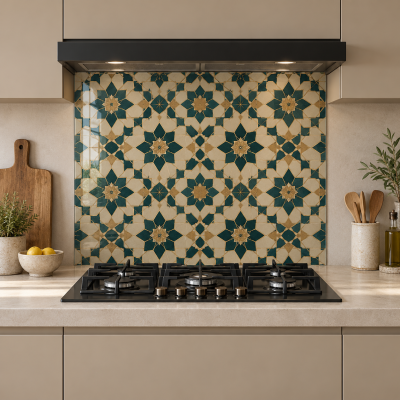
Discover more stories and style tips to keep your inspiration flowing.
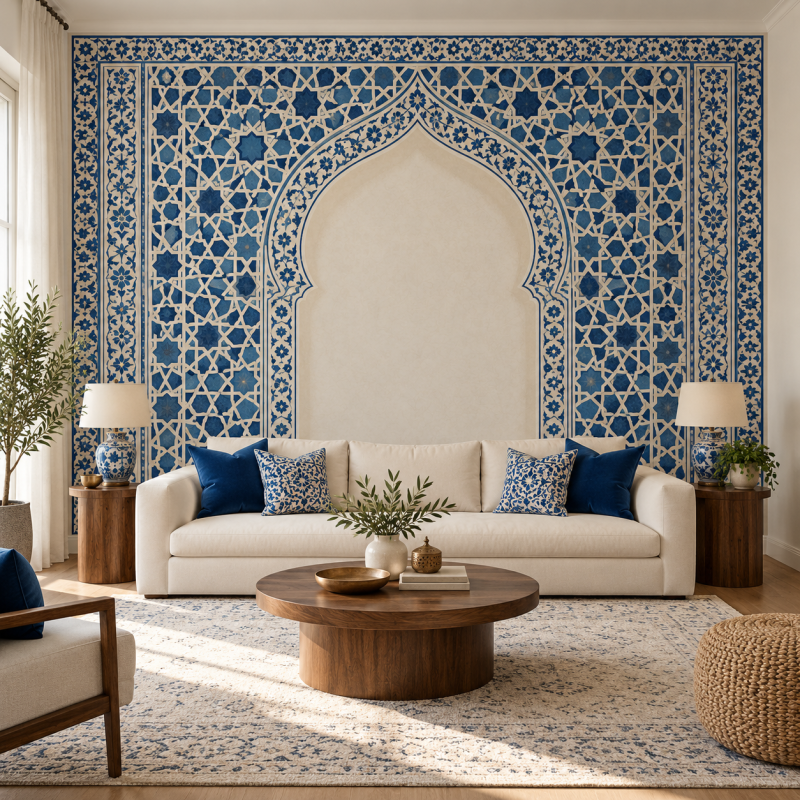
08 أكتوبر
Explore Wafa Noor Islamic mihrab walls for elegant home decor, with styling ideas, custom sizing, installation tips, and meaningful Islamic design.
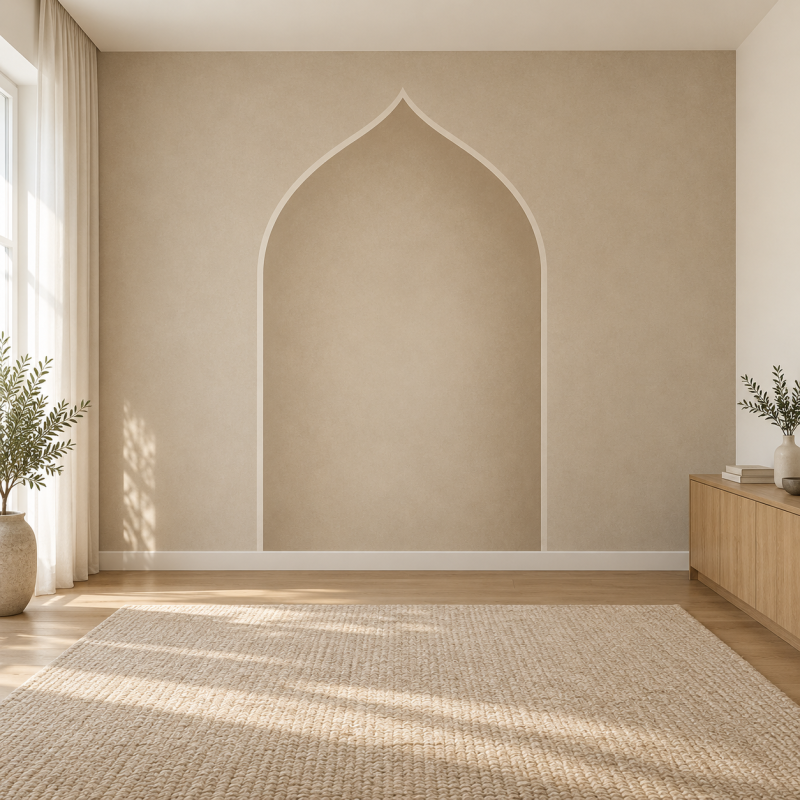
08 أكتوبر
Discover Wafa Noor mihrab Islamic wall art ideas for peaceful home spaces, with styling inspiration, custom sizing, installation tips, and decor guidance.
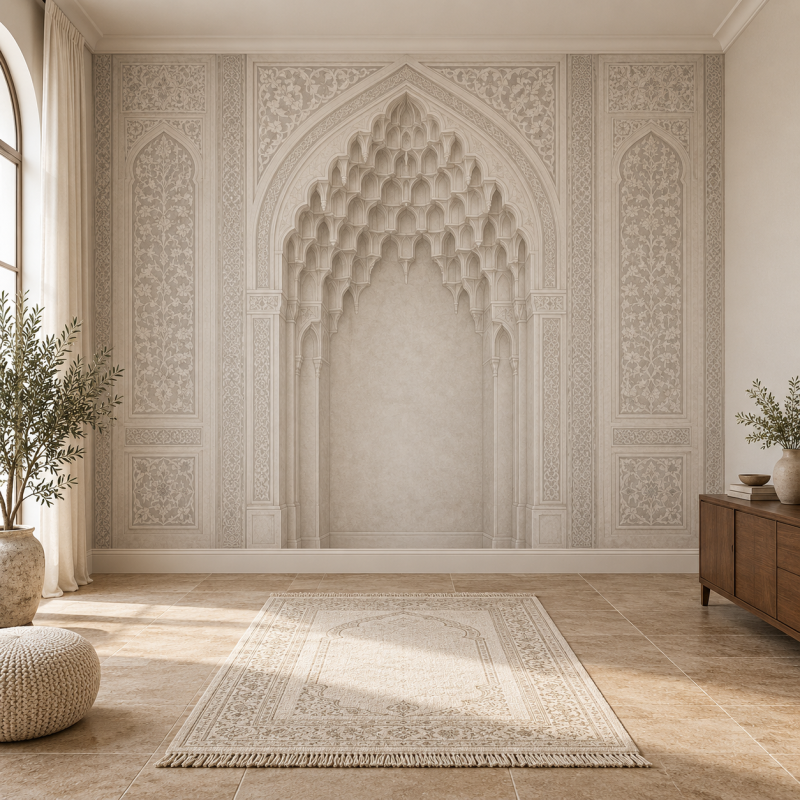
08 أكتوبر
Explore Wafa Noor mihrab wall design ideas for timeless Islamic interiors, with styling inspiration, custom sizing, installation tips, and practical guidance.
08 أكتوبر
Explore Wafa Noor mihrab wall decor ideas for beautiful prayer room walls, with styling tips, custom sizing, installation guidance, and practical advice.
08 أكتوبر
Discover Wafa Noor mihrab wallpaper ideas for elegant Muslim wall decoration, with styling tips, custom sizing, installation advice, and room inspiration.
08 أكتوبر
Discover Wafa Noor mihrab wall art ideas for meaningful Muslim interiors, with room styling tips, custom sizing, installation guidance, and decor inspiration.
Need Help?
Aydınlıkevler Mahallesi, 2006 Sokak, Gıyâsettin Özdemir Apartmanı No: 10/B, Yenişehir / Mersin
[email protected] +90 532 508 69 98Buy $100.00 more to get free shipping
Your cart is currently empty. Let us assist you in finding the right product.
تفضيلات ملفات تعريف الارتباط